As we entered the final week of our stay in Illinois at the peak of spring migration, we tried to get out every morning. The weather was mostly cooperative but temperatures varied wildly, going down to freezing one night and the next day we were in the mid-80s (F).
Although our hopes were high, we were disappointed at how few warblers we were seeing. Some birders were reporting well over a dozen species but we were lucky to find 3 or 4. Others reported similar bad luck in our usual haunts. Indeed, one morning we found not a single warbler. We also missed a favorite target bird, the Scarlet Tanager, although I got a fleeting look at one flying several hundred yards away at Bliss Woods.
Rather than grouse about what might have been, we should rejoice in the variety of habitats we visited and the beautiful birds we did see, most of which are uncommon or unseen in South Florida.
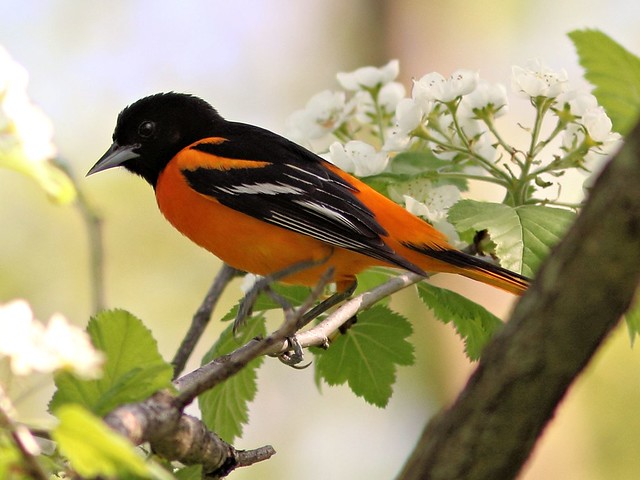
I love getting good shots of small birds, so I was elated when they appeared among the flowers, as did this Baltimore Oriole in Fabyan West Park...
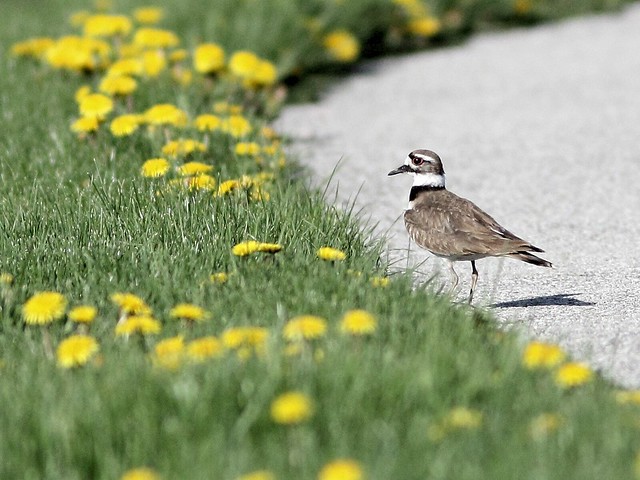
...and this Killdeer in Jones Meadow Park.
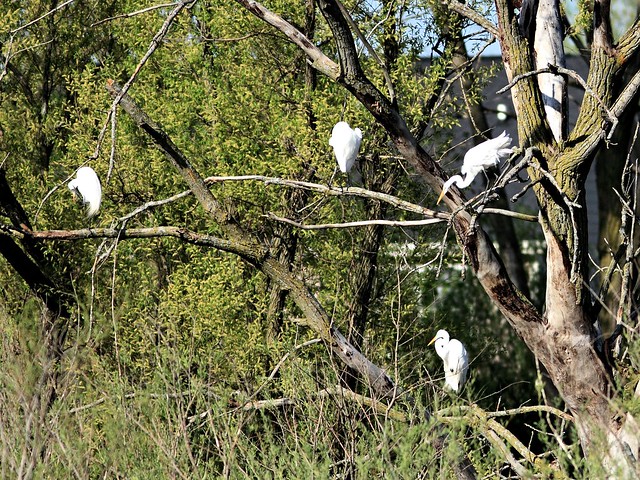
Six Great Egrets roosted on a dead tree at Jones Meadow.

I almost forgot I was not back in Florida when one left its roost and settled at the edge of the lake.

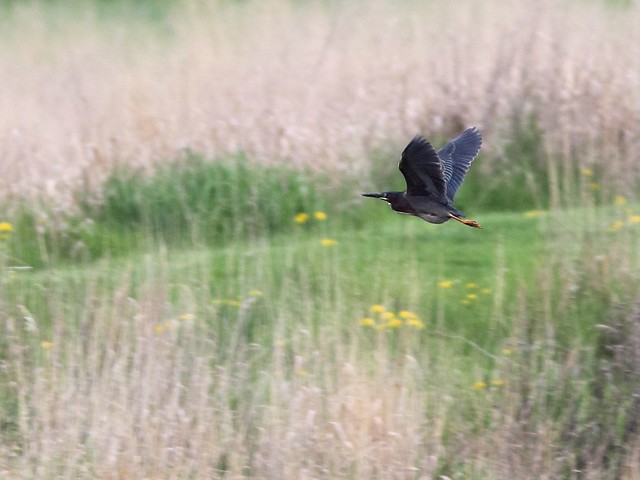
A Green Heron lifted off from a hiding place nearby.
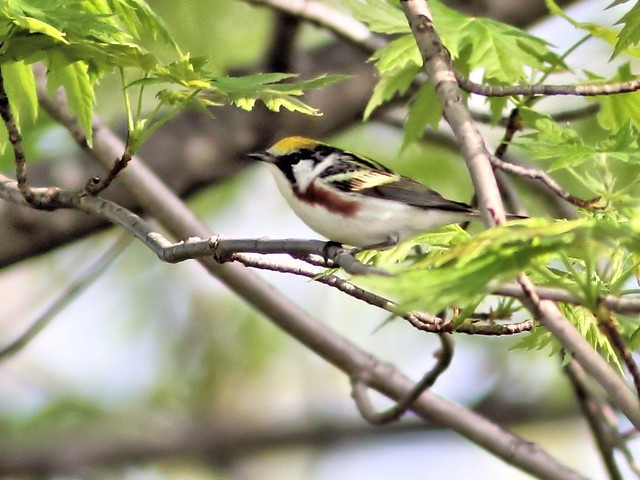
Jones Meadow provided us with our only sighting of a Chestnut-sided Warbler.

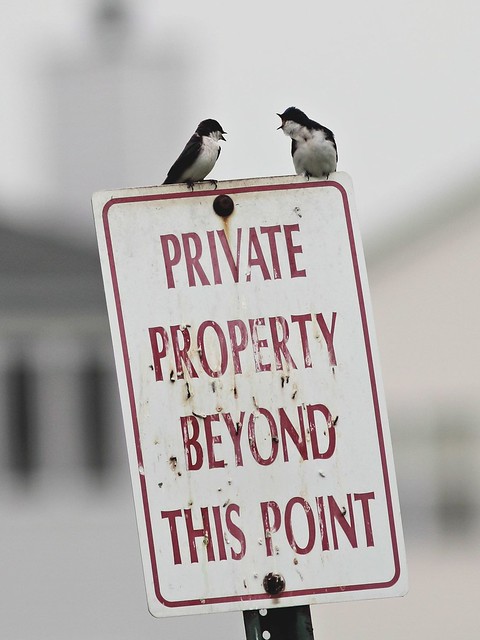
Tree Swallows had already set up housekeeping.

These two seemed to be having a property dispute.
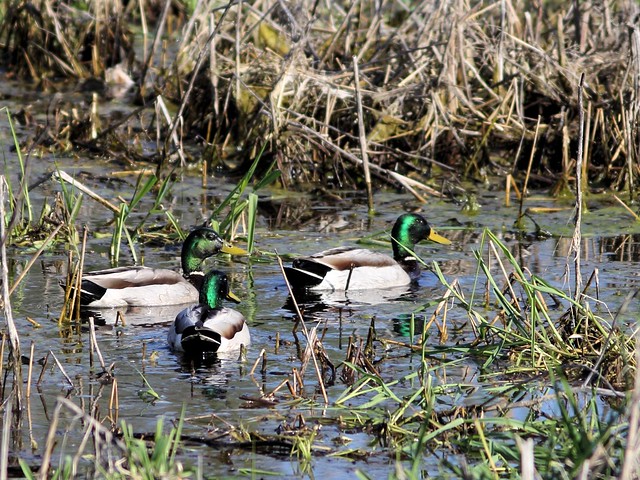
Mallard Drakes dabbled in the wetlands next to the lake. Were their mates sitting on eggs?
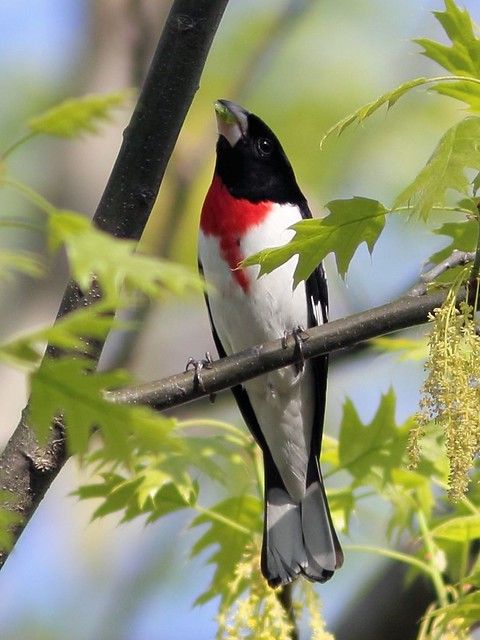
Rose-breasted Grosbeaks became quite numerous.
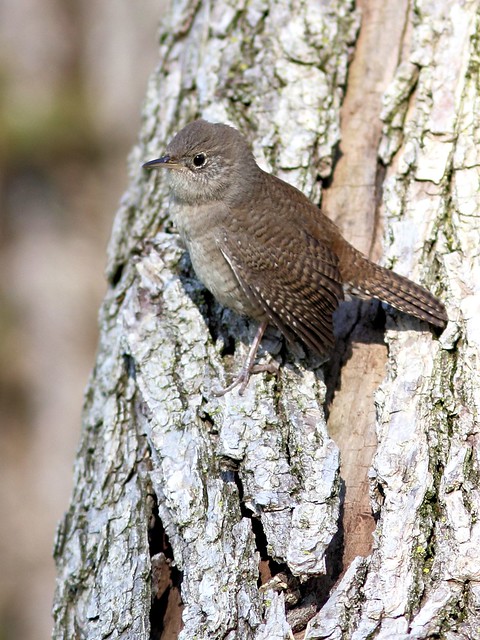
A House Wren fluttered his wings as he sung his heart out.

A nest must have been nearby, as he was reluctant to leave the trunk of this old dead tree.
Field Sparrows were claiming nesting territory along the margins of the prairie at Aurora West Forest Preserve.

I particularly liked this pose.

Demure Warbling Vireos sang loudly in the trees but rarely ventured out from the leafy cover.
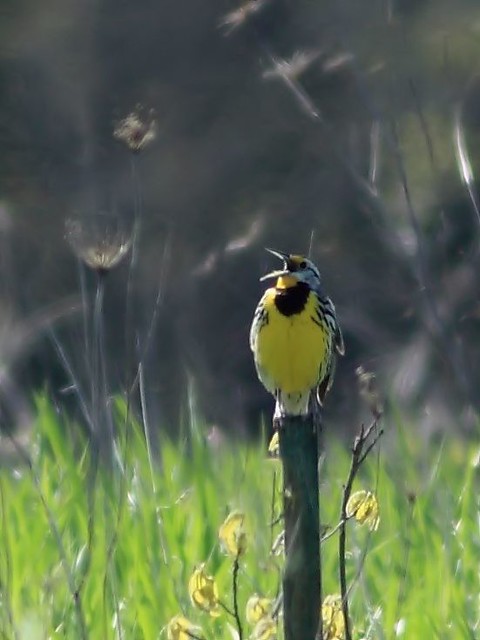
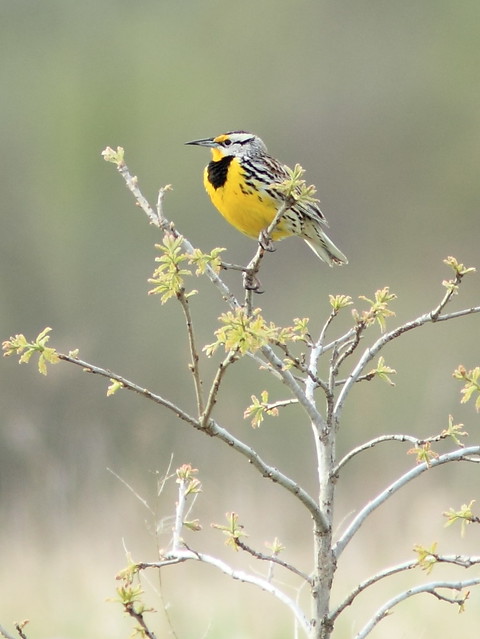
 At Nelson Lake, an Eastern Meadowlark was in full song.
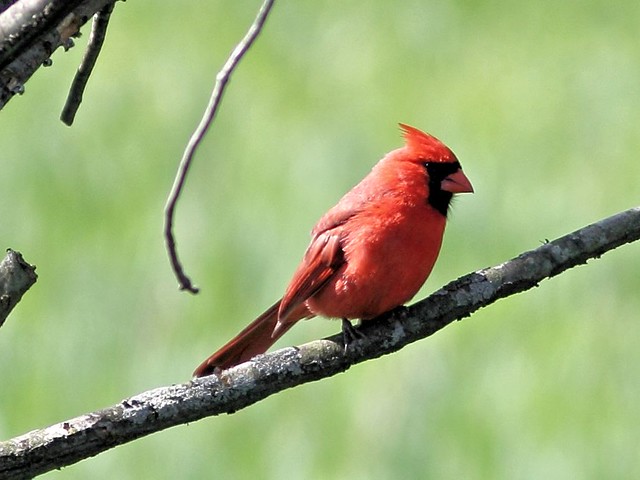
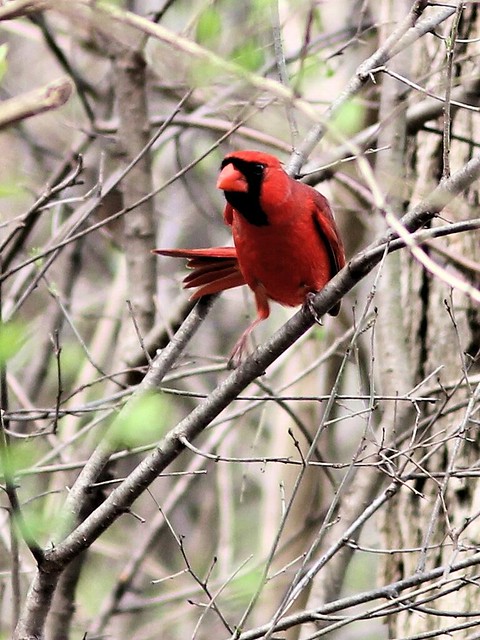
A male Northern Cardinal stopped singing just long enough to stare down from his perch.
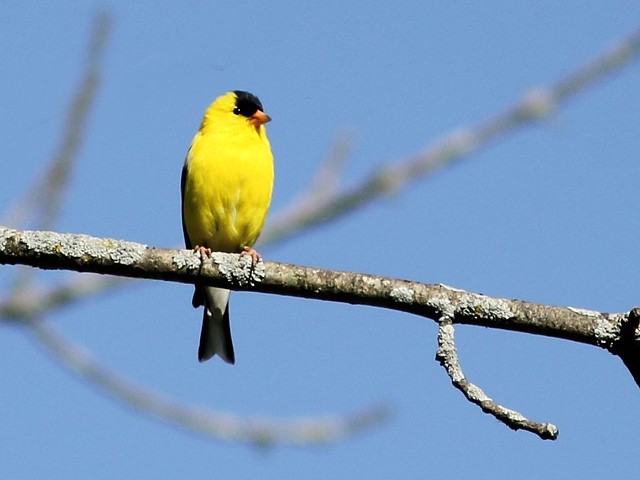
An American Goldfinch added another touch of color.
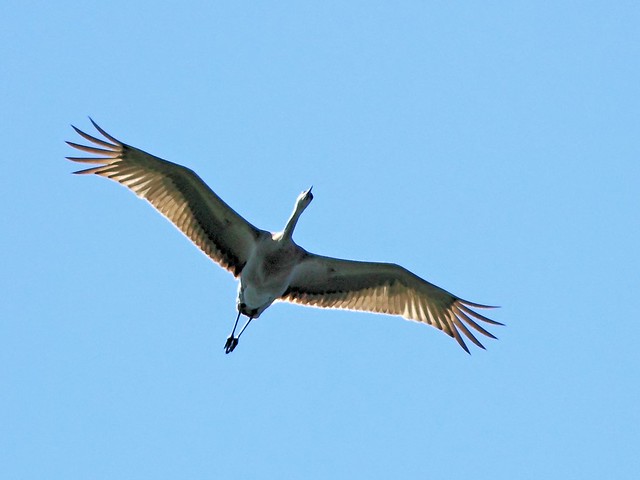
It was unusual to see a lone Sandhill Crane overhead, bugling as if calling for a lost lover.
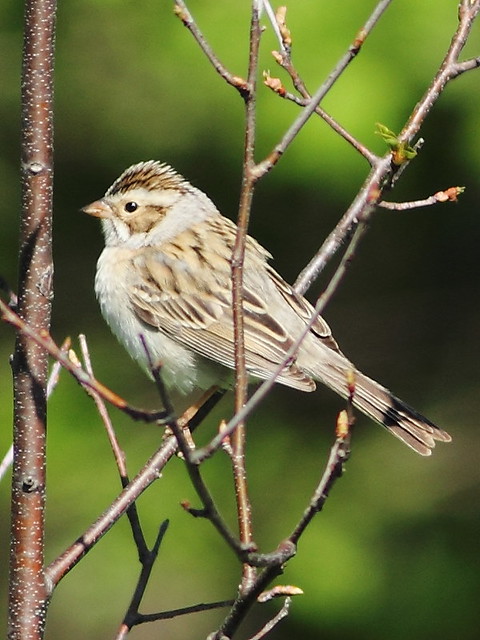
Among the "little birds," a pair of Clay-colored Sparrows gave me my best photos of this species, even though they were reluctant to come out from behind the branches.

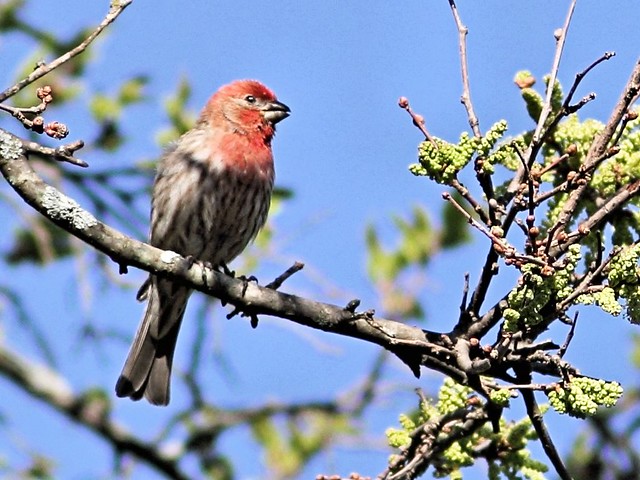
The budding trees attracted House Finches. This male was particularly bright.
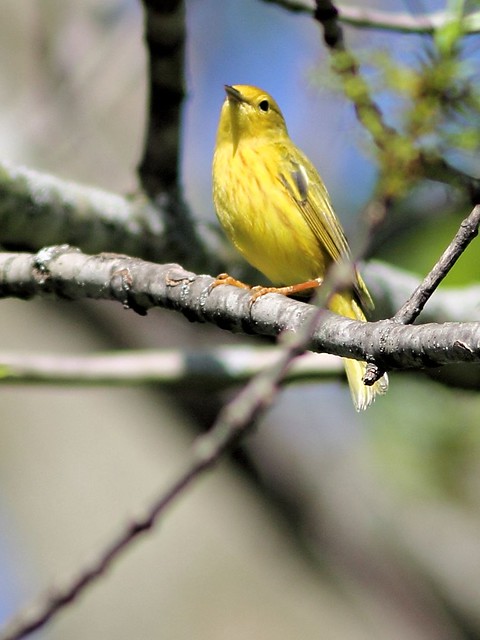
Yellow Warblers were common along the Fox River, at Les Arends Forest Preserve...
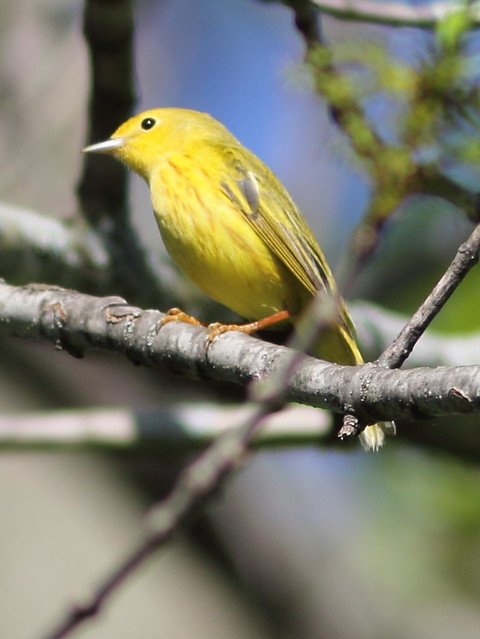
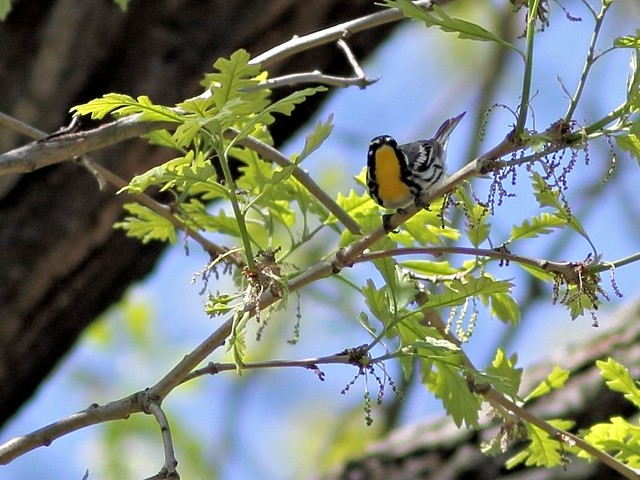
...but a few miles up-river, Fabyan West preserve presented us with our most treasured sighting-- a Yellow-throated Warbler, which is near the northern limit of its range. Singing high in an oak tree and flitting from branch to branch, it was not an easy capture.
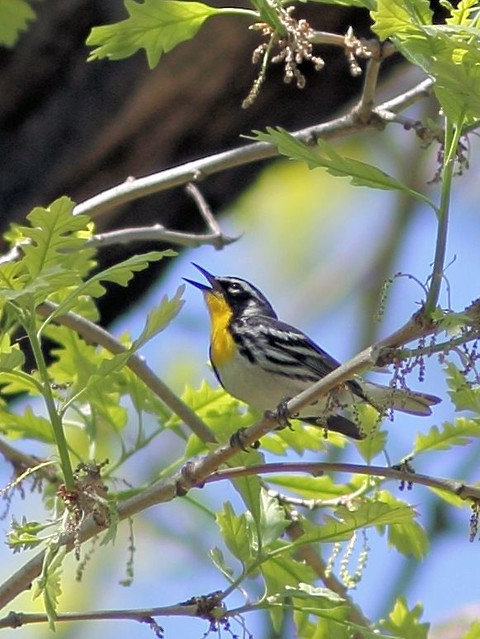
The Yellow-throated Warbler is aptly named.
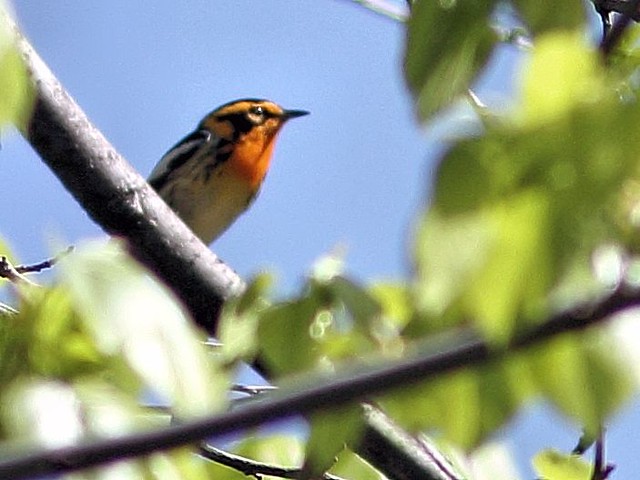
Another nice warbler was nearby-- the Blackburnian.
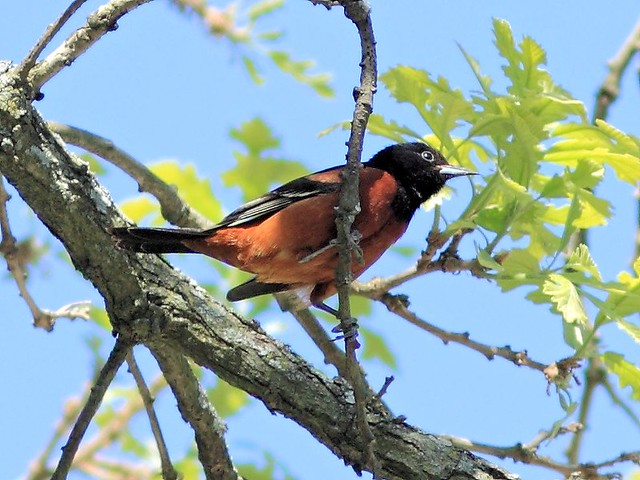
The Orchard Oriole, smaller than the Baltimore Oriole and brick-red rather than bright orange, has been my "nemesis bird," as I had never gotten a good view of one. The Japanese Garden at Fabyan sheltered one that finally came out into the open!
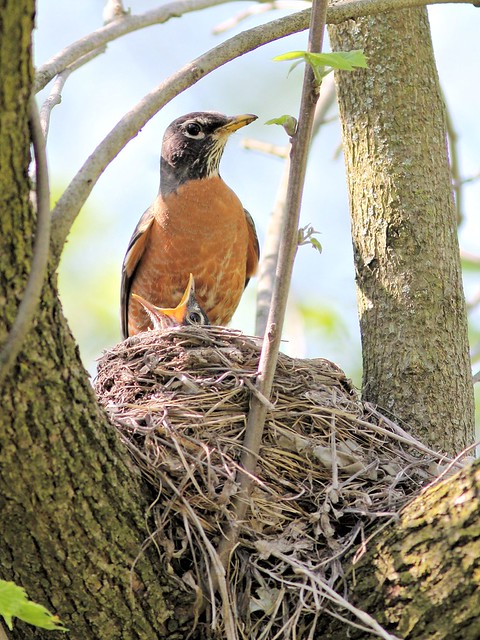
An American Robin fed its two chicks.
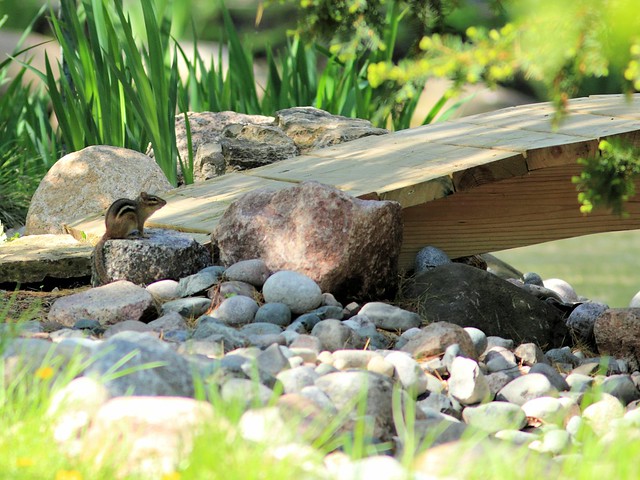
In fairness to the mammal kingdom, here is a cute chipmunk in a beautiful setting inside the Japanese Garden.
We cannot overlook the spring flowers, such as these tree blossoms...

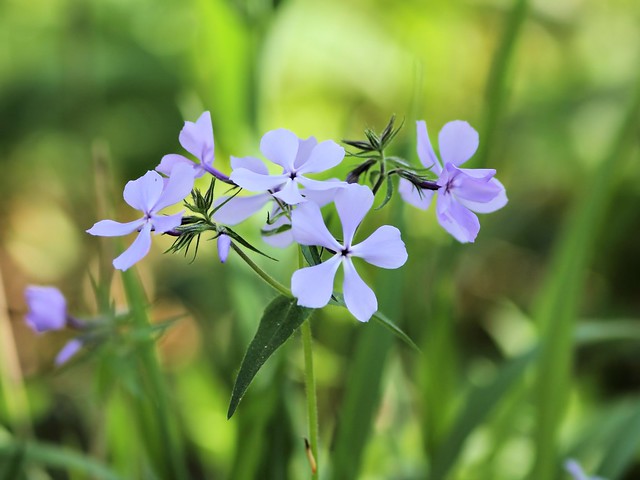
...or the Wild Blue Phlox.
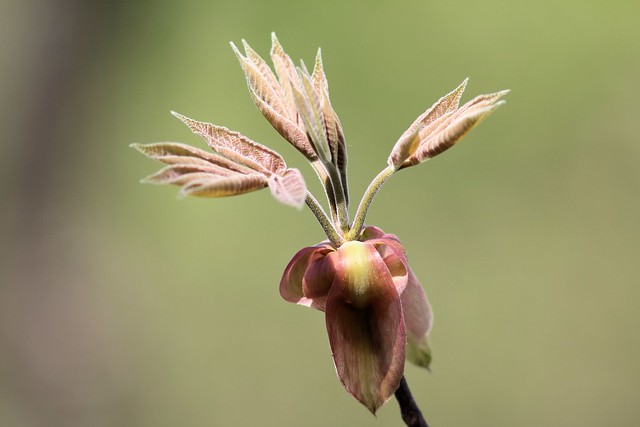
I'm quite sure that this is a Hickory tree bud, but it is an object of unexpected beauty.
Rainy weather sidelined us for a couple of days during our second week in Illinois, but the month of May started out cool and clear. On May 2nd at 5:30 AM the Chicago weather radar images revealed massive migratory movement that filled the entire coverage circle. The base velocity display indicated birds were traveling due north. Ominous echoes moving in from the west portended the arrival of a storm system. The evidence of so many northbound birds reminded me of my New Jersey childhood birding days when, in early May the nearly leafless trees sometimes seemed to drip with the color of many species of warblers.
The prior day's birding had been promising. Within a couple of hours at Nelson Lake/Dick Young Forest Preserve I had recorded 38 bird species, among them my first-of-season (FOS) Black-throated Green and Nashville Warblers as well as Ovenbird and Northern Waterthrush. I sighted all of these while standing in a small spot next to the creek that crosses the east path.
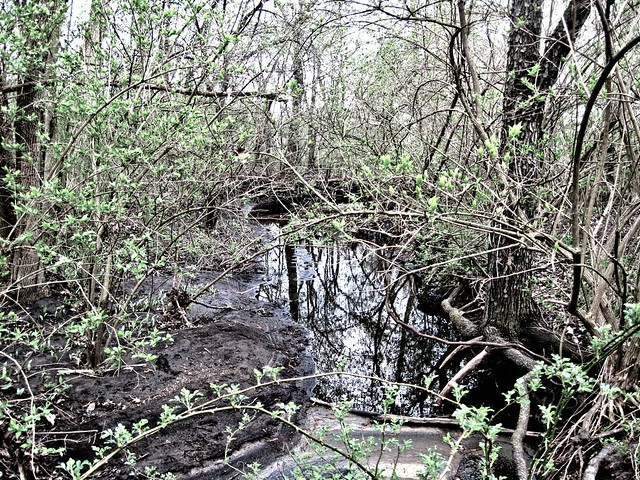
This is the "sit spot" that had been so productive the previous day. This morning promised to hold even more FOS's.
Black-throated Green Warbler


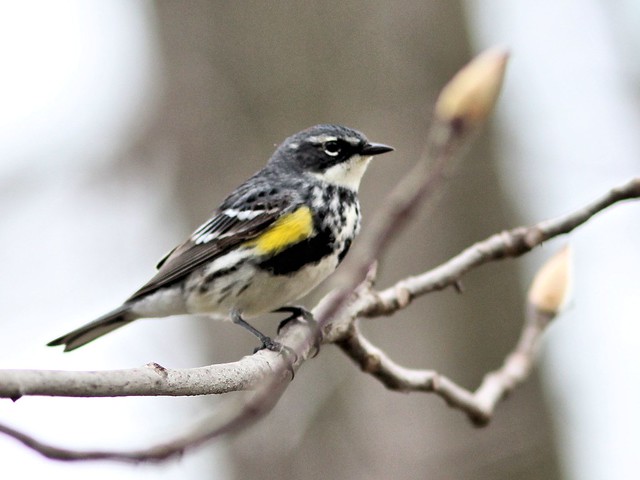
I was thrilled to get a good shot of a male Yellow-rumped (Myrtle) Warbler in full breeding plumage, something we usually do not see in South Florida.
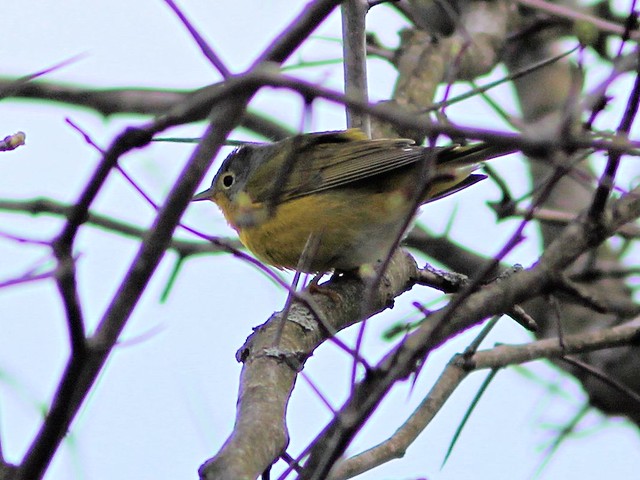
I missed a photo of the Ovenbird, but this is a poor shot of a Nashville Warbler, for the record.
The Northern Waterthrush was more cooperative.
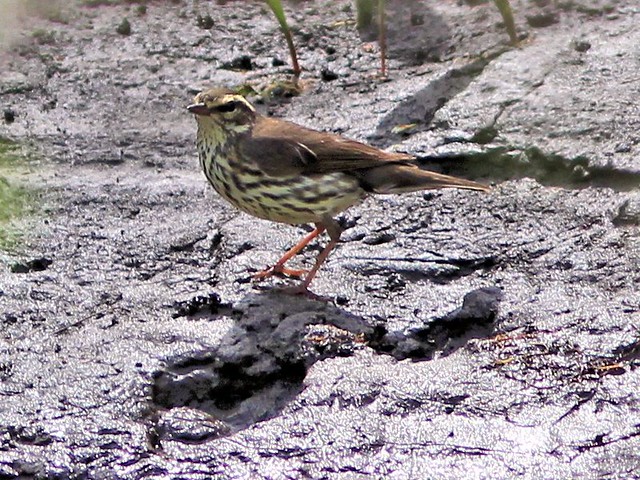
I was surprised to find a Lincoln's Sparrow, almost hidden in the leaf litter.

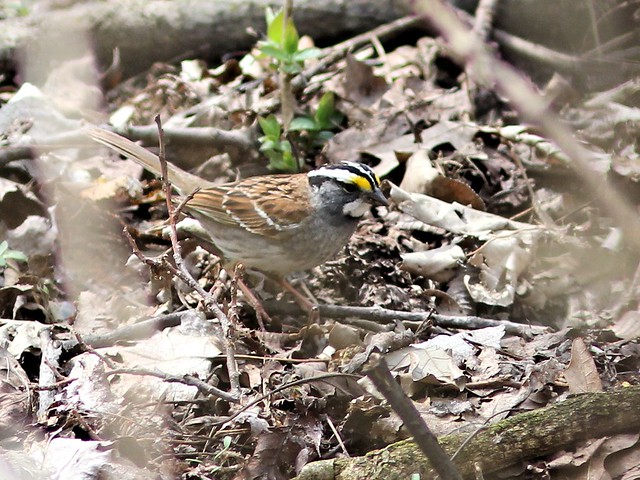
Nearby, a White-throated Sparrow explored under the shrubs, scratching noisely.
Mary Lou's brother from Florida was expected to arrive at Midway Airport around 8:30 AM, and she preferred to stay home to prepare for his visit. That weekend our daughter and her husband were to host over a hundred guests for our granddaughter's First Communion/Cinco de Mayo Party with a pig roast. Knowing there would be little time for hiking until after the weekend, I set out alone for Nelson's Lake at 7:00 AM, hoping for about an hour and a half of birding. Pulling into the parking lot I was greeted by the song of Eastern Meadowlarks.
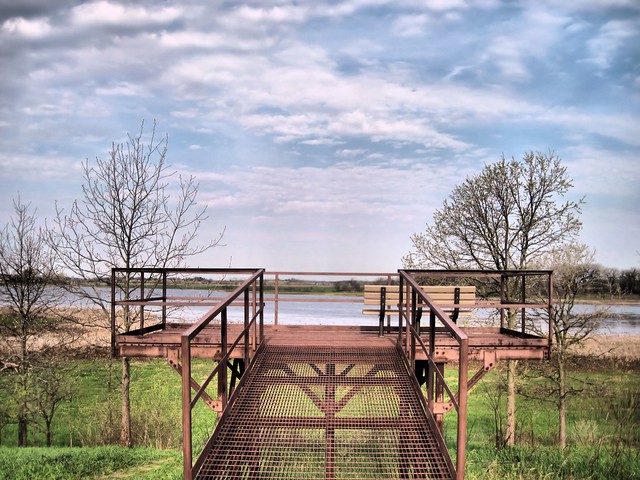
I scanned the lake from the viewing platform. The lake was almost entirely dry in the fall, but snowmelt and the recent heavy rains had filled the lake. Few waterfowl were present, probably because nearly all the fish died off during the drought.
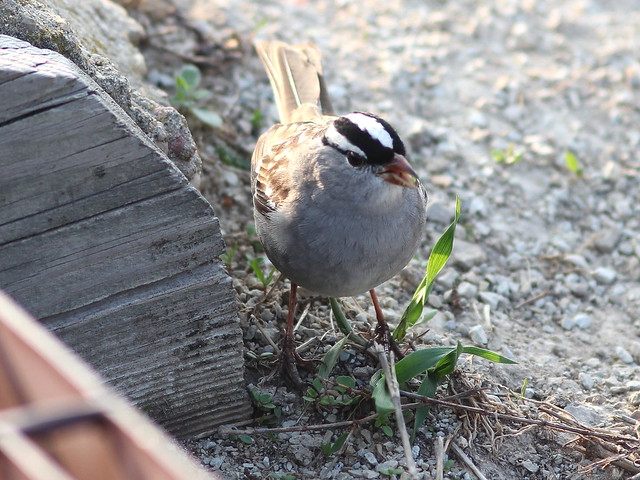
A White-crowned Sparrow foraged for green seeds next to the platform.
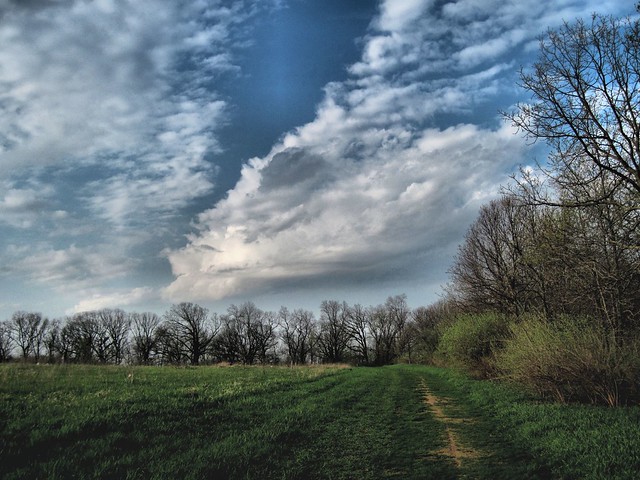
It was 60 degrees (F) and storm clouds were already gathering as I headed down the path along the east prairie.
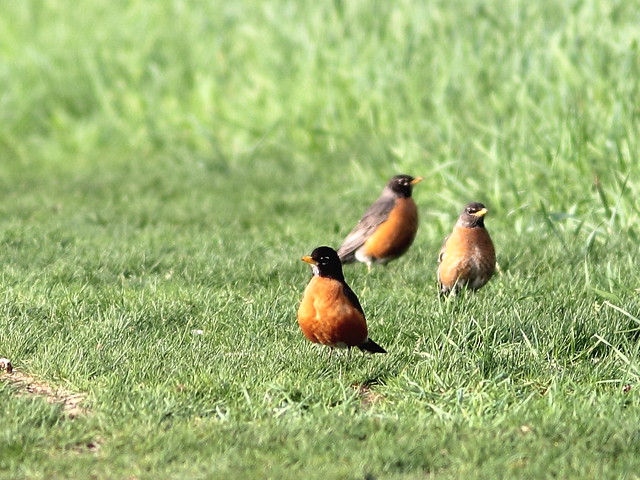
American Robins formed small groups along the way.
A Savannah Sparrow sang from a trailside shrub.

I waited at the "sit spot" for over an hour as the weather deteriorated, and saw a few Yellow-rumps but no other warblers and certainly no more FOS sightings. A Northern Cardinal offered a bit of color.
Against the gray sky, A Canada Goose occupied a lonely "sit spot" atop the silo next to the parking lot as I departed. I wondered if he saw any FOS birds from his vantage point.

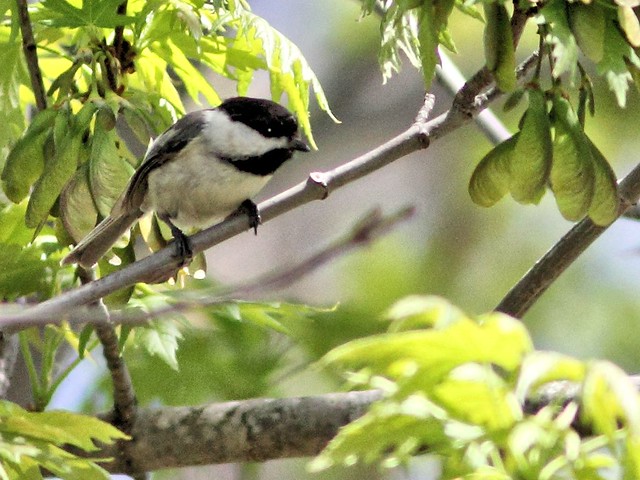
Although the next few days were occupied with family and friends, I did get a few choice photos from our daughter's back yard deck. The feeders were well-stocked, but this Black-capped Chickadee preferred to glean in the emerging leaves of one of their ornamental trees.
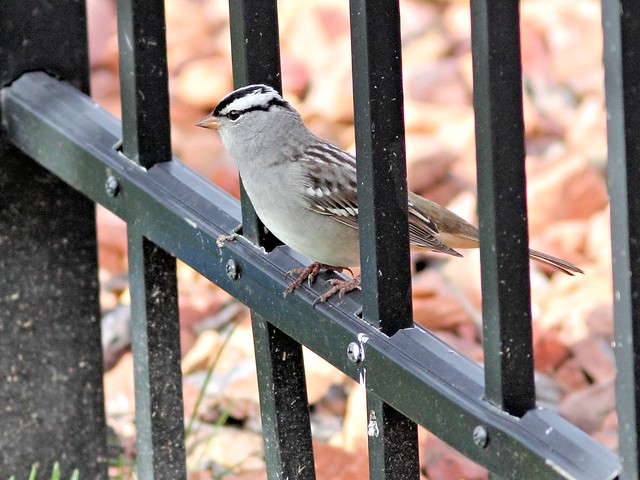
The feeders attracted scores of White-crowned Sparrows, many in full song.
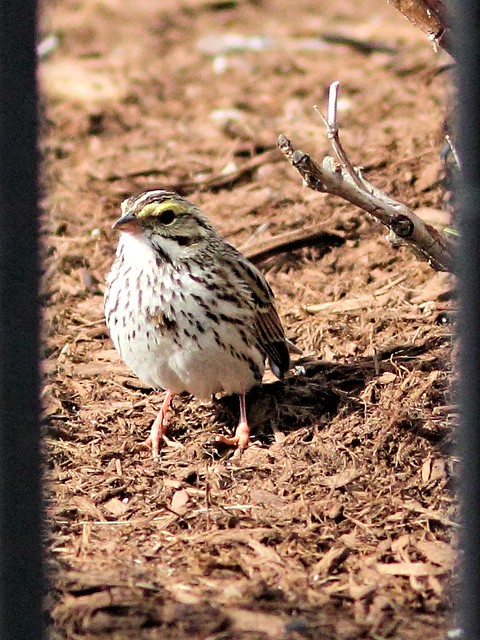
The wrought iron fence railings framed this Savannah Sparrow.
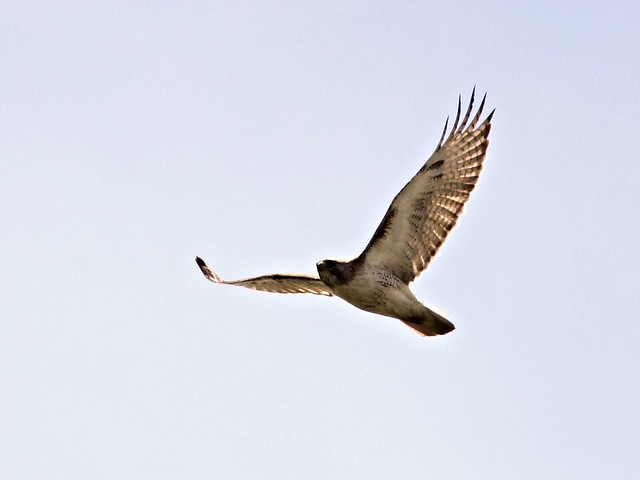
A Red-tailed Hawk wheeled overhead.
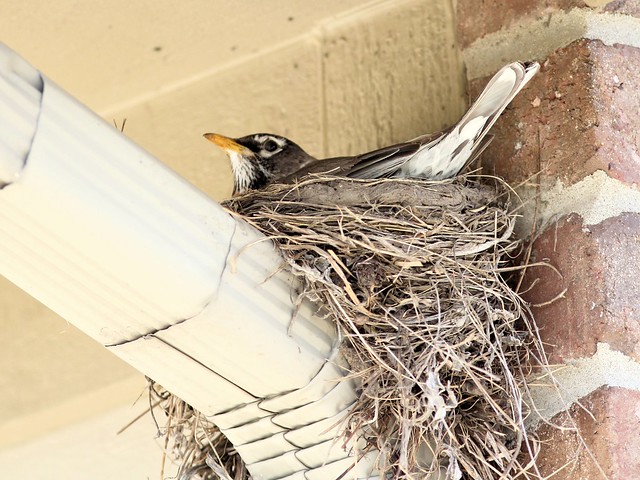
A robin incubated eggs in a mud and straw nest, sheltered under the eaves on a downspout at the front corner of our daughter's home.
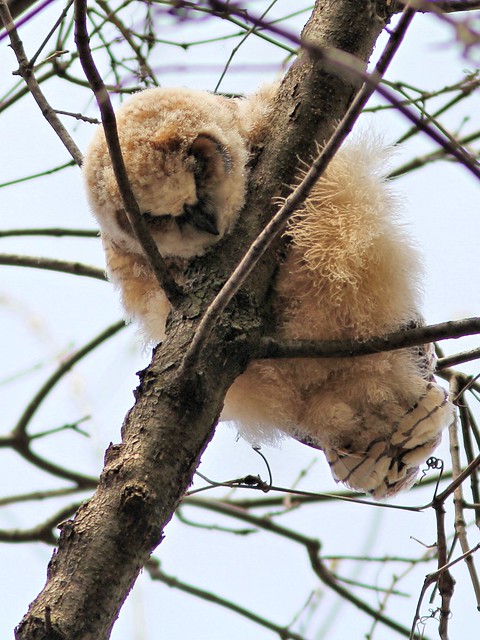
The Great Horned Owl fledged the day after I last photographed it in the nest at nearby Fabyan Park. Here it seems very interested in something directly under its perch.
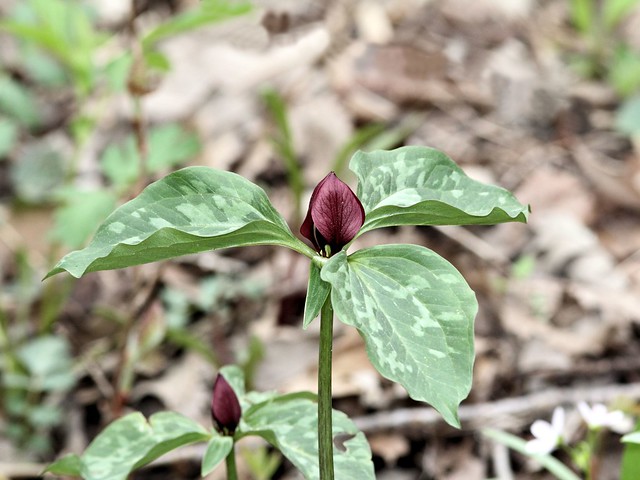
The Wake Robins (Trillium) are opening their buds.
Blue Violets, the State Flower of Illinois, are now in bloom.
