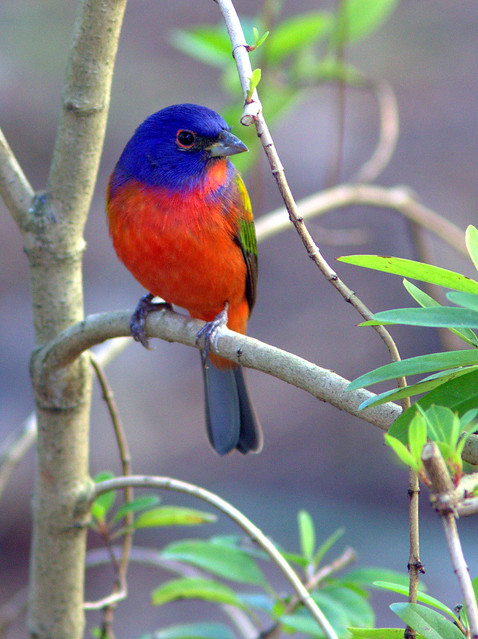
As a kid birder, I tried to imagine some day seeing a Painted Bunting. Living in New Jersey and rarely venturing beyond my own neighborhood, this seemed an unlikely possibility. It was only after I got drafted and eventually moved to New Orleans that my dream was realized. I think that most birders remember their first sightings of many species, but for me this event stands out. It was a tantalizing brief glimpse of the unmistakable psychedelic coat of a male bunting, in a park along the Mississippi River.
More recently, I took up photography. Now the Painted Bunting is a favored subject. I have many shots of them at bird feeders, but I strive to capture their image in more natural surroundings.
There are two breeding populations of Painted Buntings in the US. One occupies a large area centered in "Arklatex" (Texas, Louisiana, Arkansas) and nearby Oklahoma. The other, smaller area is along the southeastern Atlantic coast, from the Carolinas into northern Florida. The western population winters in coastal Mexico and Central America, while we in South Florida enjoy those migrating through the state to Cuba and the Bahamas, many of which remain here all winter.
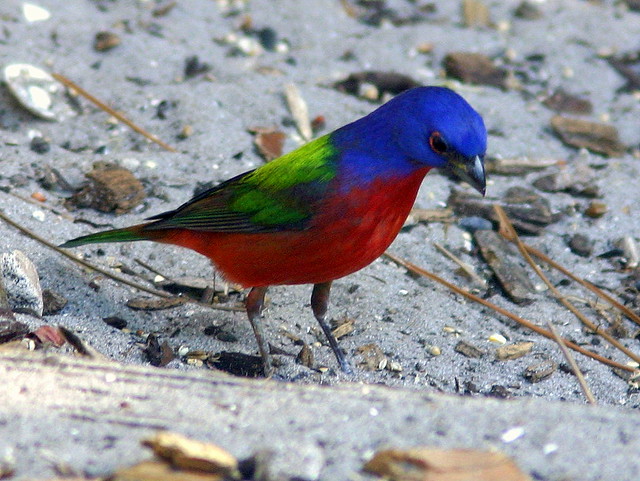
The eastern population is adversely affected by human development of the coastal wetlands. Their numbers have steadily decreased, dropping by almost two-thirds since 1966. Ref: http://www.allaboutbirds.org/guide/Painted_Bunting/lifehistory
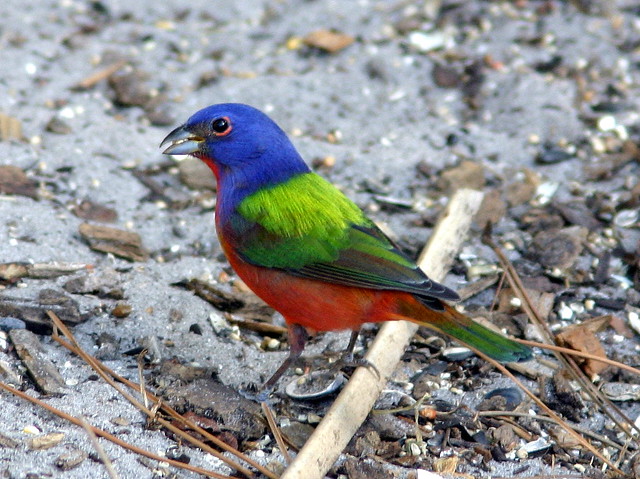
Unfortunately, they are popular cage birds in Latin America and even in Miami. Despite their protection under the Migratory Bird Treaty, they are commonly trapped in south Florida, in residential neighborhoods and even in and immediately outside Everglades National Park.
Excerpt from The Danger of Beauty: "Our preliminary data analysis shows that for the domestic trade in Mexico alone, more than 100,000 Painted Buntings were trapped from 1984 through 2000, an average of 5,800 birds per year. This does not include any information on the illegal trade, which is commonplace but very difficult to document..."
A frustrating fact is that if birders find traps or even see them being captured the perpetrators cannot be arrested unless the crime is witnessed by a law enforcement officer. Read more here, with photos of trapped buntings: http://www.tropicalaudubon.org/trapping.html
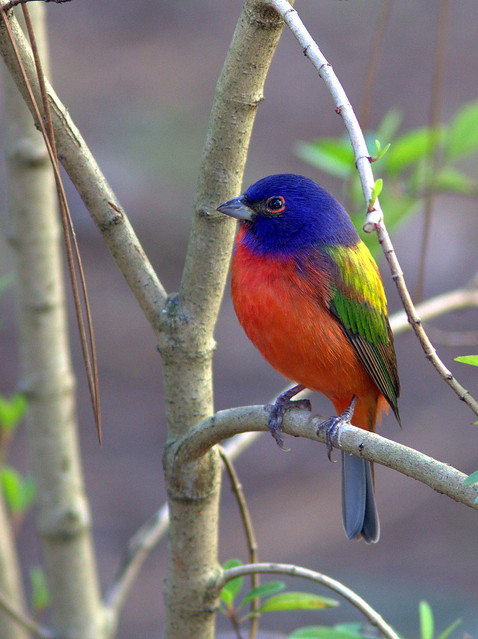
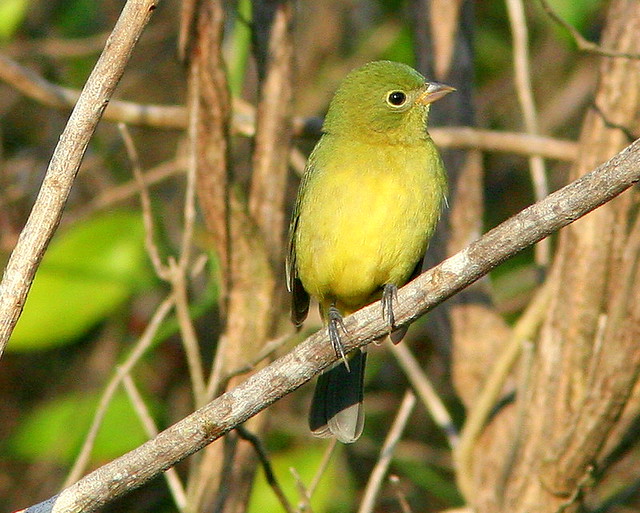
I have unfairly favored the males in the above images. Females are beautiful in their own right. They are so green that they can sometimes remind one of small parrots.

First year males can resemble the females, so green birds greatly outnumber the brightly colored males in the wetlands near our south Florida home.
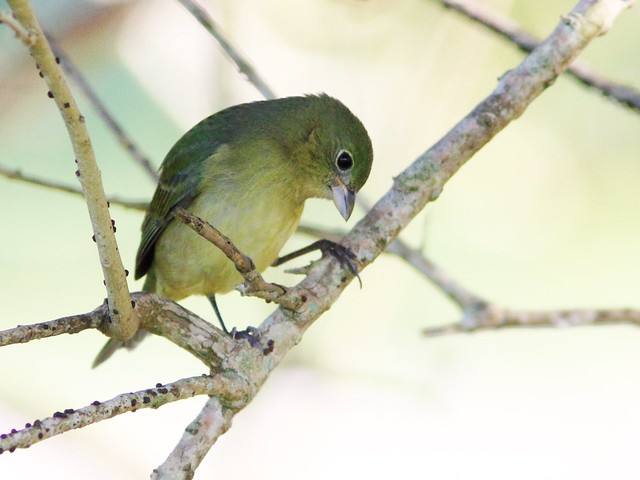
A few birds will stray out of their normal range, especially during migration, and they have been reported along the east coast as far north as New York.
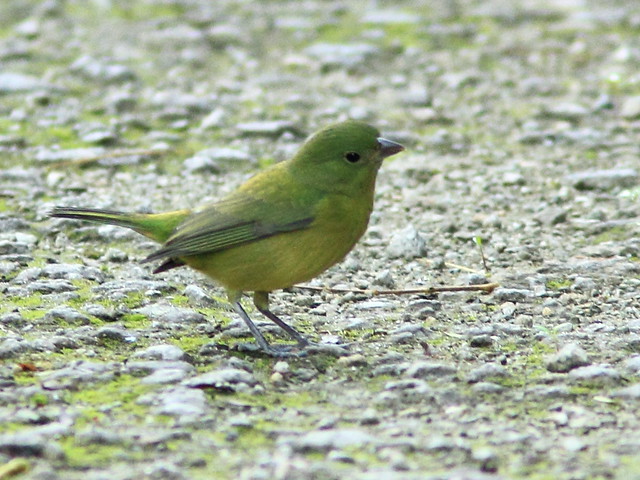
I suffer no shortage of pictures of the females!
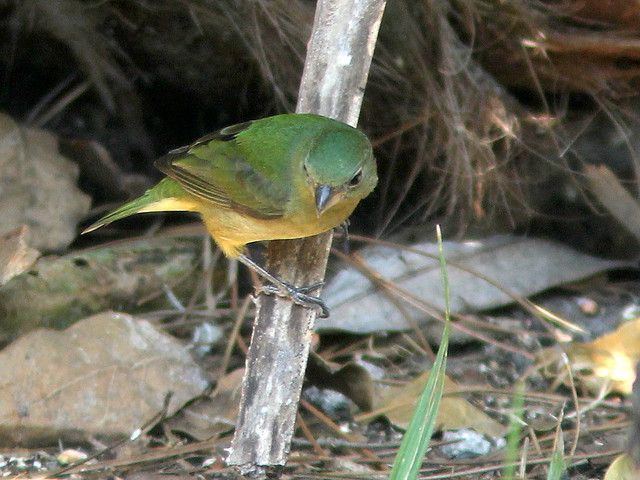
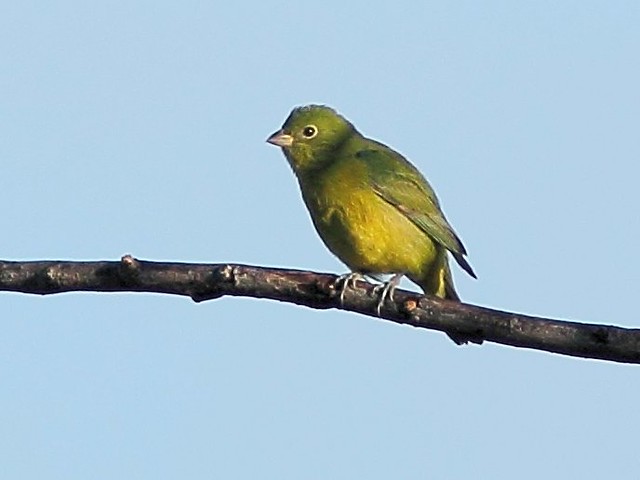
Prevailing winds made this autumn a rather disappointing one for the southeastern part of the Florida peninsula. Southbound birds were either driven towards the west coast or simply overflew us. When conditions were favorable they can make it from the northern part of the state to Cuba in a single flight.
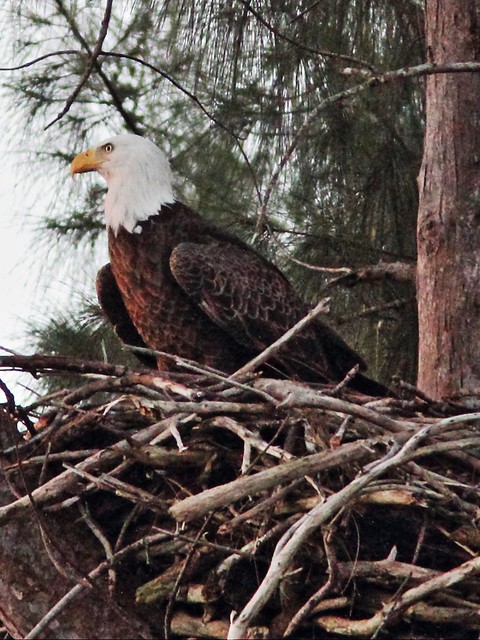
As if to compensate for the lack of migrants, our local pair of Bald Eagles began loitering at their nest site during September, earlier than usual. This is the female:
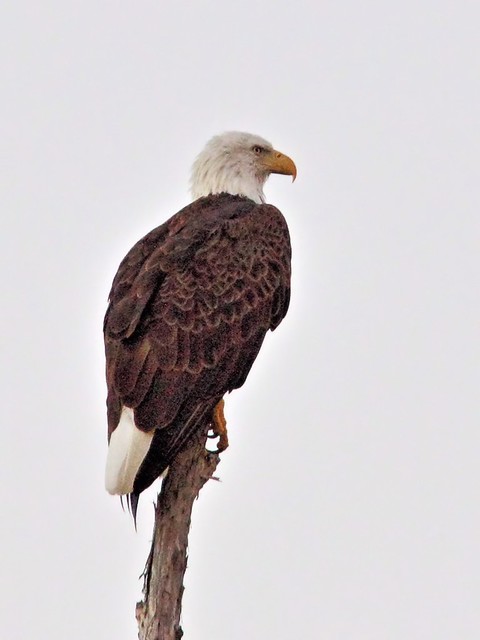
Here, she stands guard at the nest. Their eggs are usually laid in December or early January.
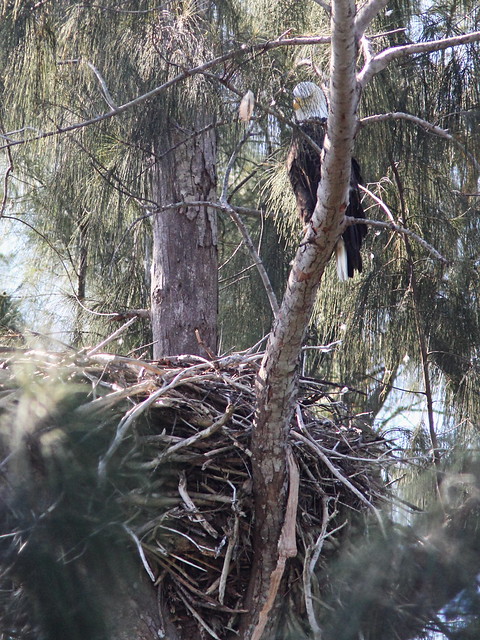
By the middle of October the eagles were adding sticks to their nest. If we have a cold snap it is possible that it will trigger early egg-laying.
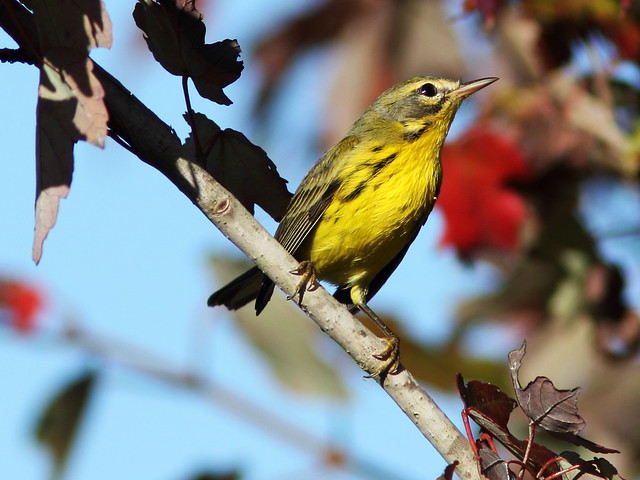
Prairie Warbler numbers increased early in the season:
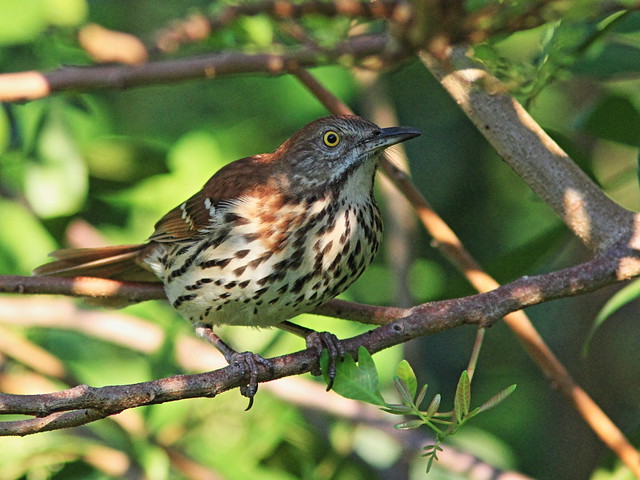
Brown Thrashers, which may breed here in small numbers, also came in early:
Painted Buntings appeared. This was the best shot I could get of a male:
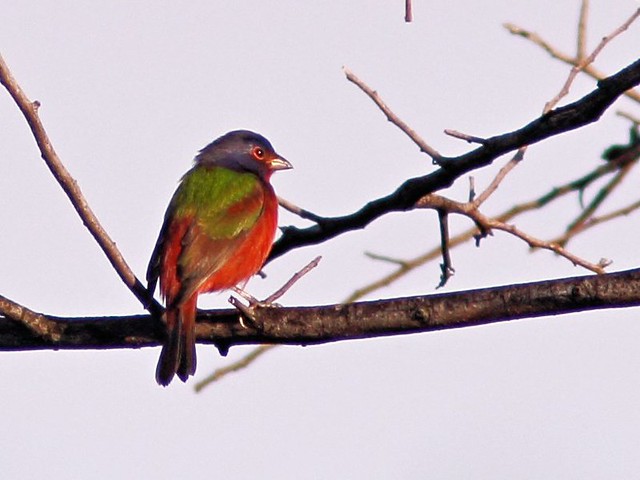
This female bunting was more cooperative:
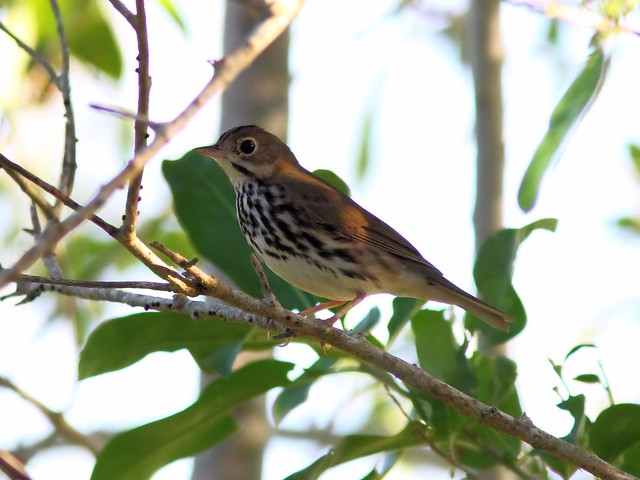
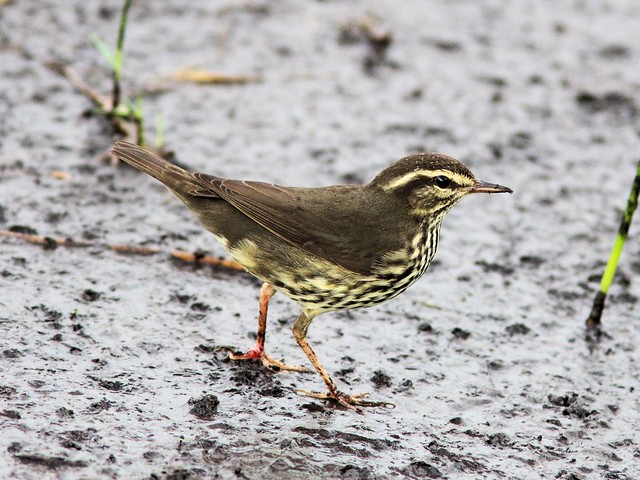
Ovenbirds and waterthrushes were welcome arrivals. Ovenbird:
Northern Waterthrush:
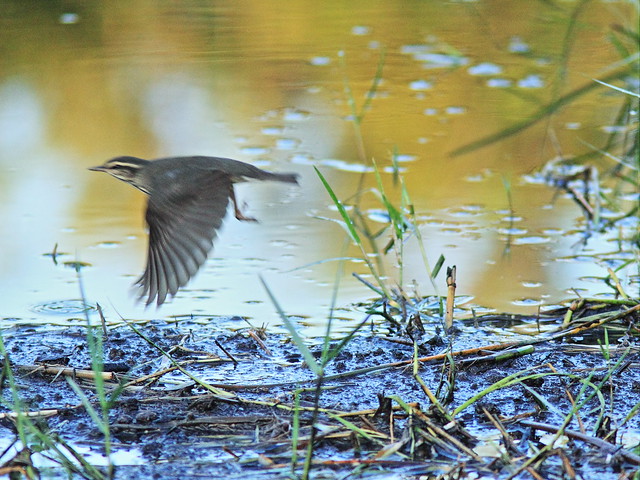
Northern Waterthrush in flight:
The local population of Loggerhead Shrikes was supplemented by southbound migrants, many of which stay in our neighborhood all winter.

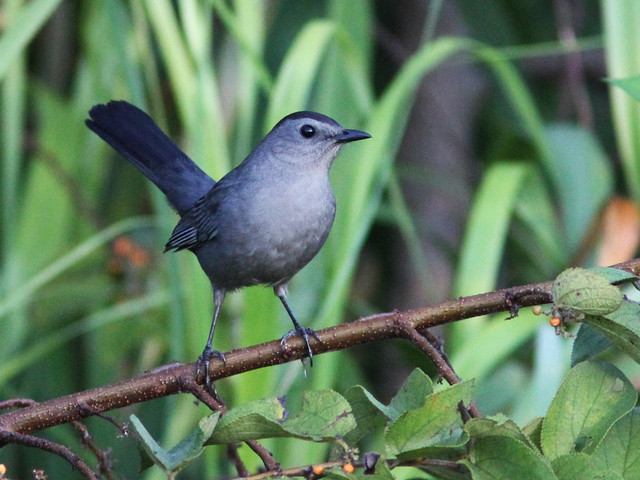
Gray Catbirds appeared in droves during the latter part of September:
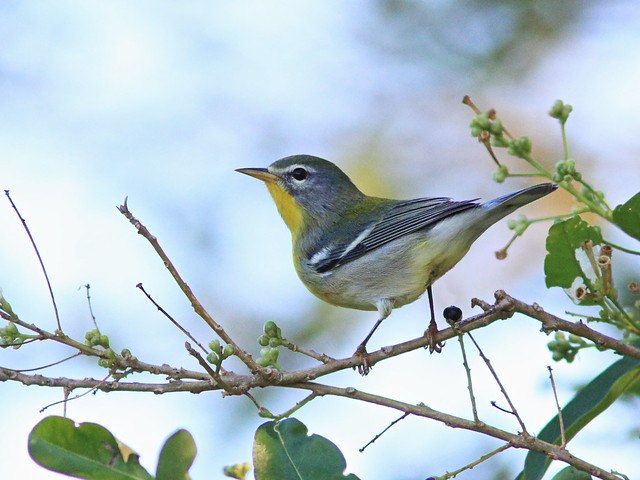
Northern Parulas, one of my favorite warbler species, soon followed...
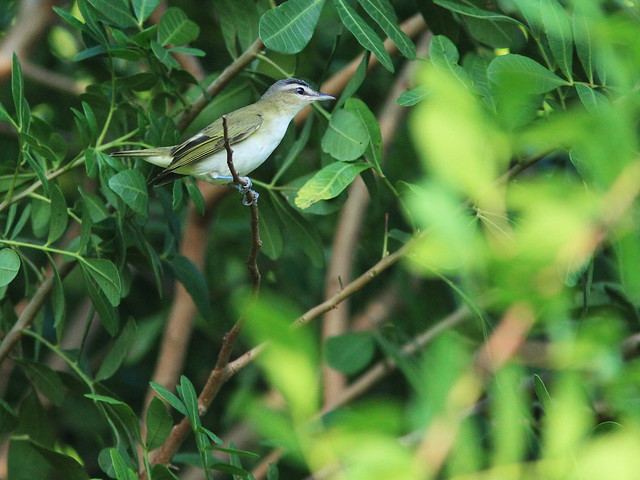
...as did Red-eyed Vireos:
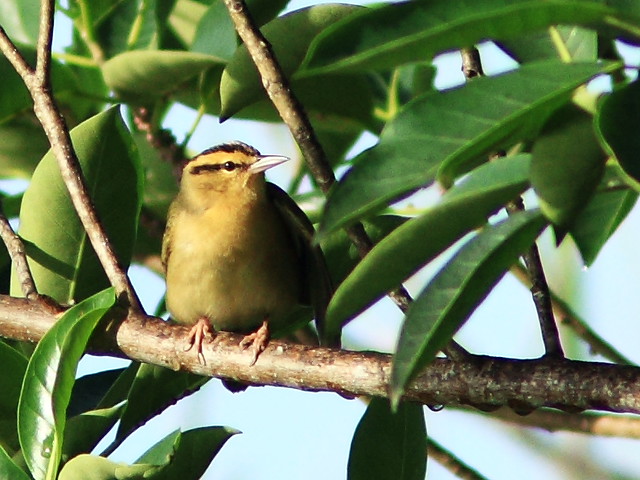
Generally, when we did see warblers, they were few in number. Worm-eating Warblers are rather uncommon migrants in our wetland preserve:
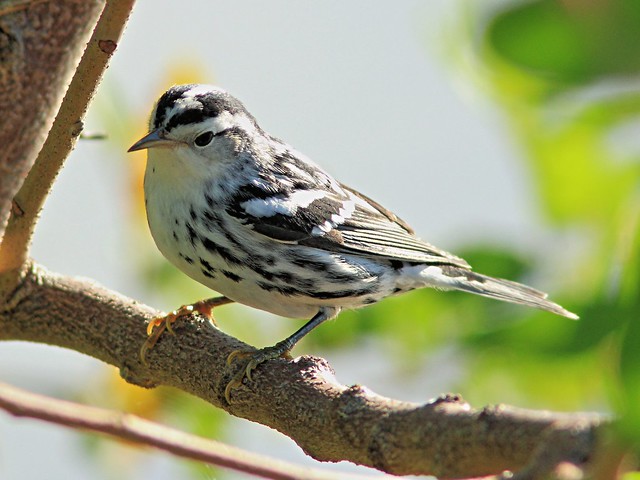
Black-and-white Warblers can show up any time in the fall:
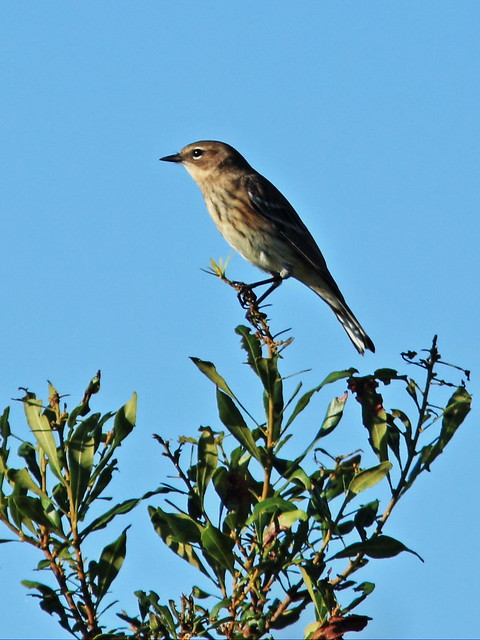
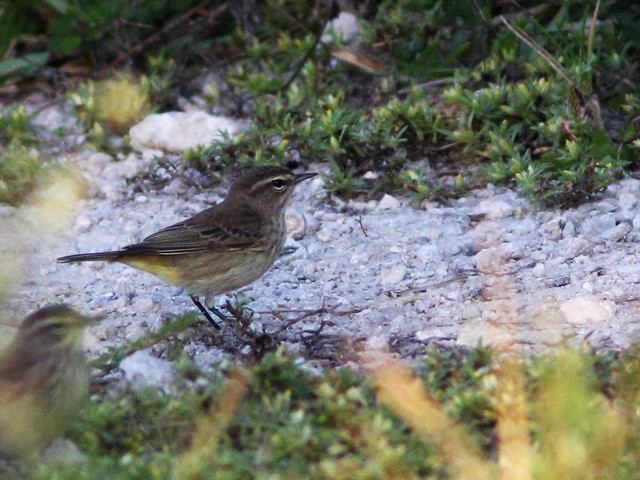
Palm Warblers became abundant in early October. Many will remain here for the winter season, becoming the most abundant dooryard bird, sometimes called "Florida Sparrows."
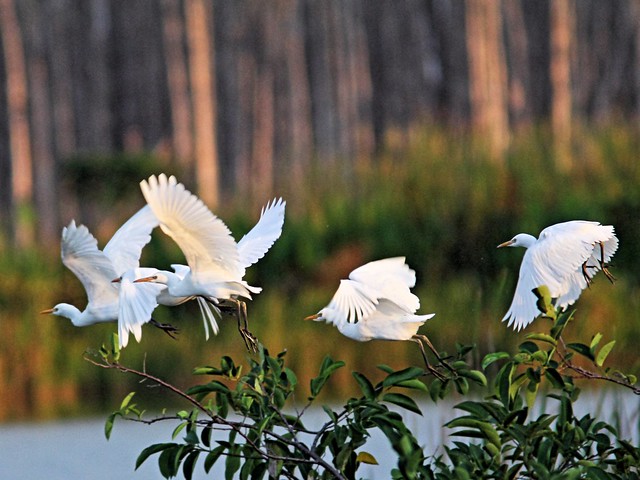
Cattle Egrets were flocking...
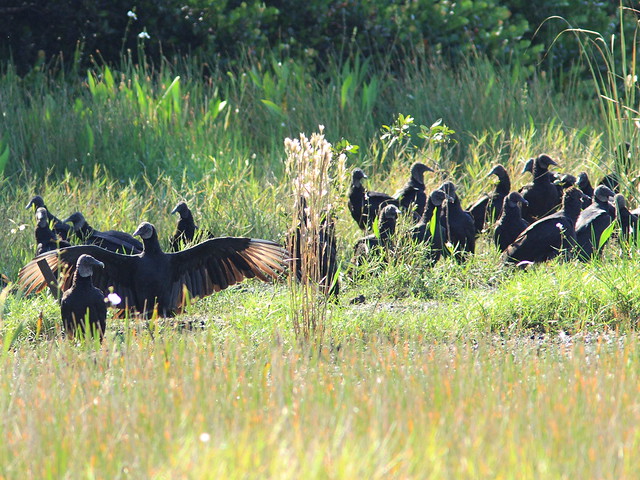
...and Black Vultures congregated in huge numbers:
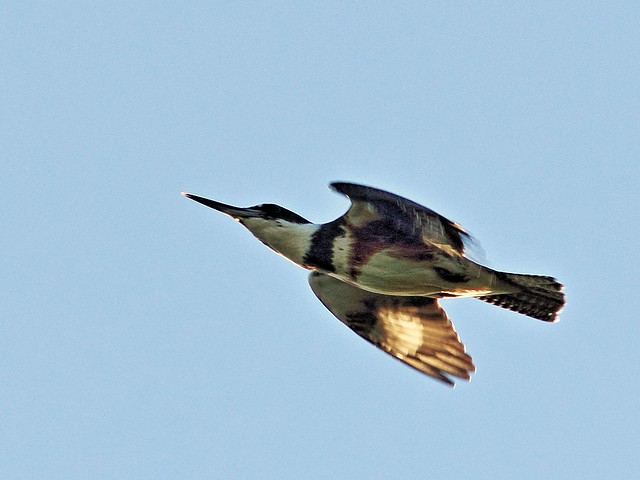
Belted Kingfishers arrived to protect their winter feeding territories along the canal. This is a female; the male lacks the red belly-band:
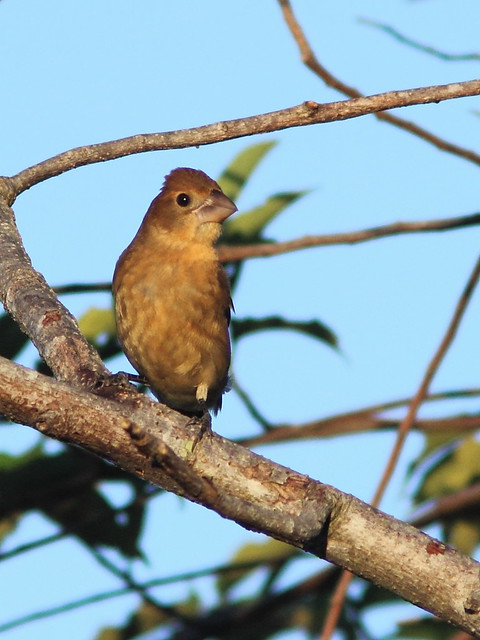
This female Blue Grosbeak was the first I have seen on our local patch:
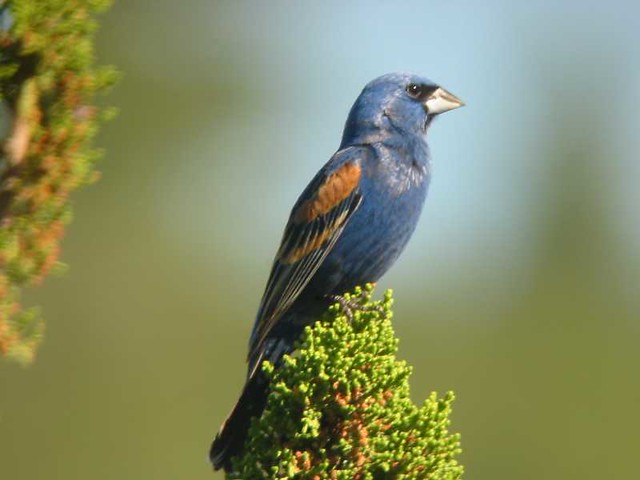
The last time I photographed a Blue Grosbeak was back in the 1990s, through the window of our New Mexico home, digiscoped using a pocket camera and my Kowa spotting scope. This is a male:
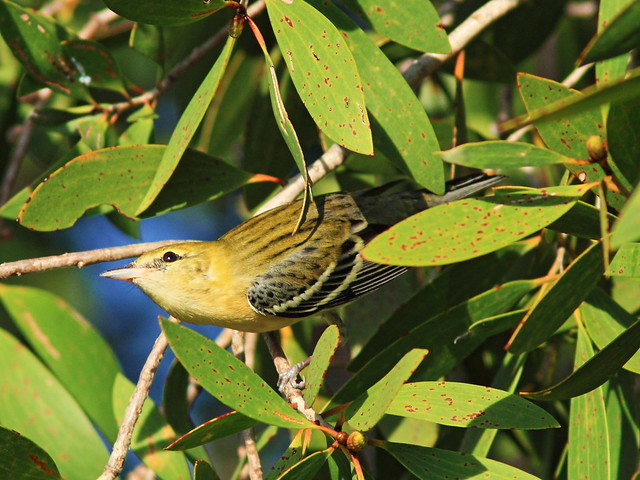
A single day in late October provided the best warblers of the season. Suddenly their numbers increased and we saw a couple of new species. The Bay-breasted Warbler is quite large-- when I first saw it from a distance I thought it was an oriole or tanager.
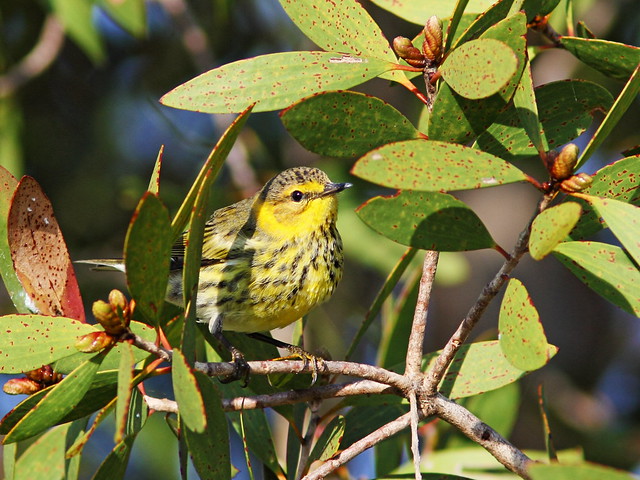
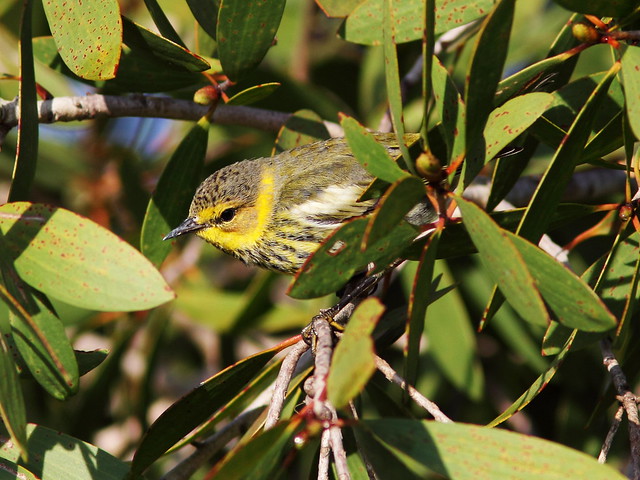
Several Cape May Warblers appeared...
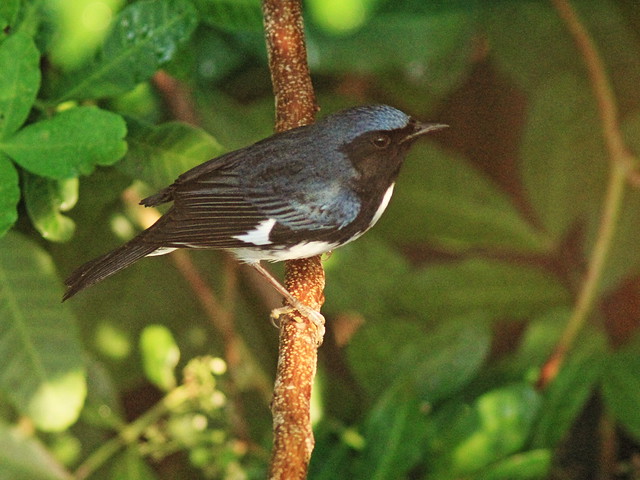
...along with another of my favorites, the Black-throated Blue Warbler.
Finally, in mid-November the arrival of the Yellow-rumped Warblers signaled the end of warbler migration.