Showing posts with label Black-crowned Night-Heron. Show all posts

Thursday, December 3, 2020

Crops & Clips: Flashback to December, 2017

As I do each month, I enjoyed looking back over my archived photos, taken three years previously, to remember how things were then and maybe get some idea of what to expect this year. Of course, the last month of 2020 finds us locked down because of the Coronavirus pandemic, as we are at higher risk. As usual, I searched for images which reflected favorite memes: critters of all kinds (especially birds), skies and clouds, reflections, flowers and fences, as well as scenes which speak for themselves. 

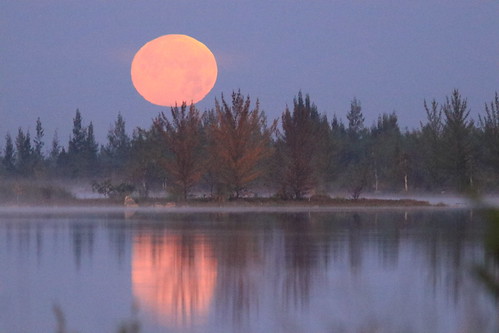
December began with the setting of a Red Cold SuperMoon. As the skies started brightening, a Great Egret was mirrored on the quiet façade of the lakeside marsh. The wind stirred up the surface of the lake beyond a line of boulders to create a pleasant  two-tone effect:

On December 3, clouds threatened to obscure the Moon...

...but they quickly cleared and the Moon was bright in the sky:
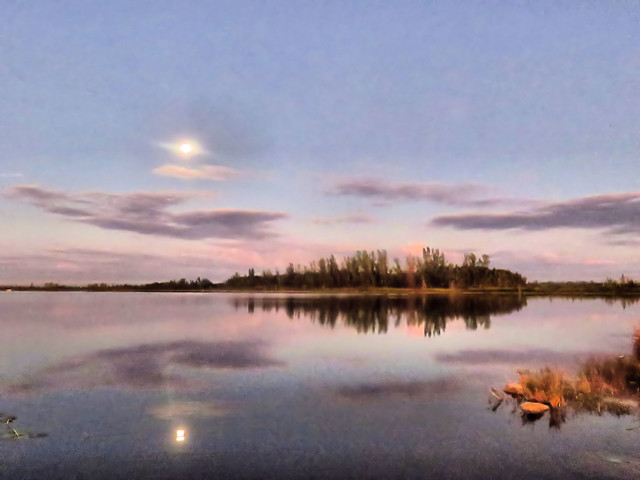
It traveled through a smoky layer as the Sun rose:

This was the last I saw of it:

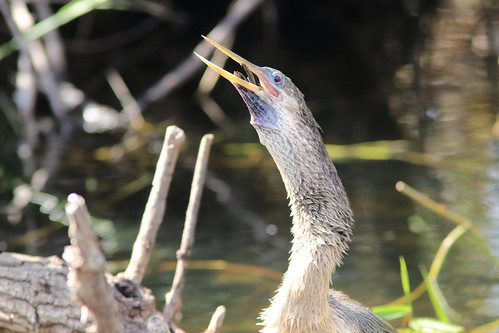
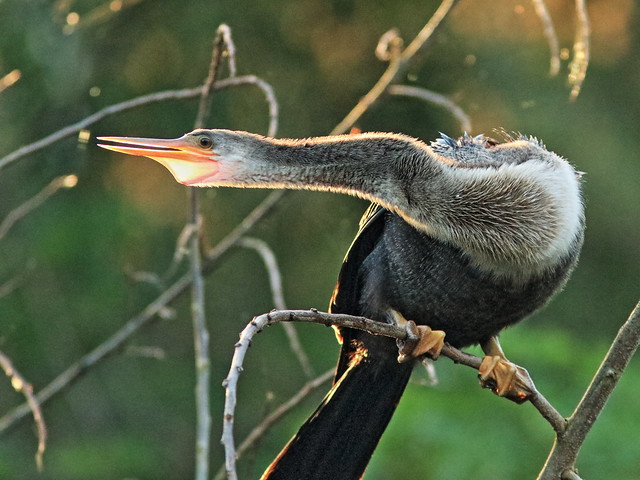
In the rookery, a female Anhinga was fast asleep as I drew near, so I made a quiet "whissssh" sound to awaken her:

Awake and alarmed, she expanded her translucent throat pouch:
Breeding season was still three months away, but several Yellow-crowned Night-Herons staked out claims for favored nesting spots:

A few fragile flowers clung to life on a coral rock:


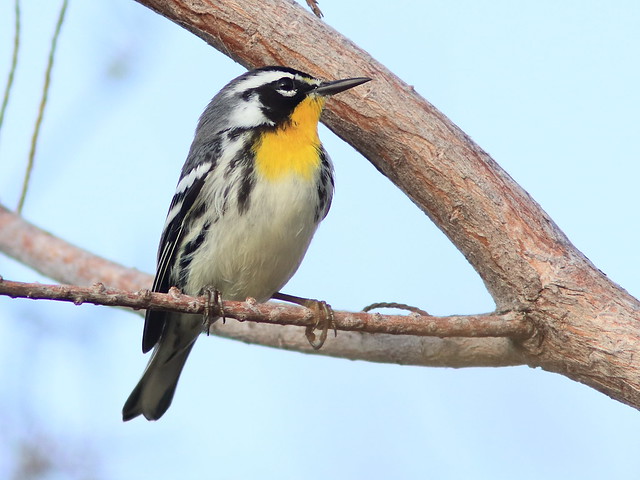
A Yellow-throated Warbler posed momentarily for a rare open shot:

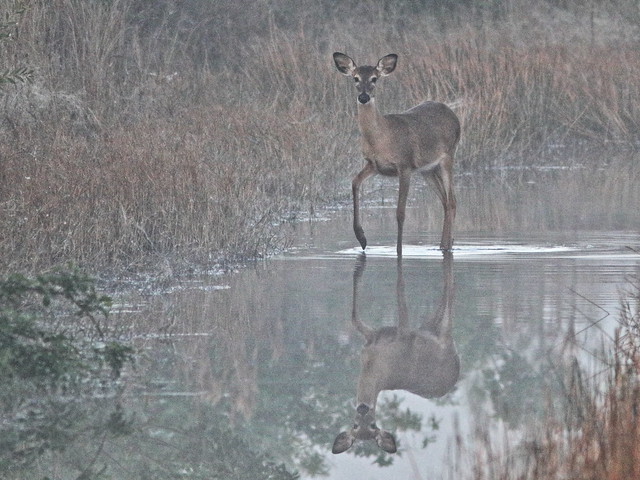
We had more than our share of foggy mornings. Some creatures appeared mysteriously out of the mist...

...a young White-tailed doe...


...another youngster, a near-sighted Opossum...

...and a tree-hugging Raccoon:

An immature Purple Gallinule was a pastel study of contortionism as it struggled to harvest the flowers and fruits of the Alligator Flags (so named because it often surrounds alligator holes where it can keep its roots wet all through the dry season):


There was so much more to remember-- this Tricolored Heron...

,,,a foggy sunrise on December 23...

...and finally, fog over the north wet prairie on December 31:


= = =  = = =  = = = =  = = = = =

Linking to:

Skywatch Friday

Weekend Reflections

Saturday's Critters

BirdD'Pot

Camera Critters

All Seasons

Wordless Wednesday (on Tuesday)

Natasha Musing

Our World Tuesday

Wild Bird Wednesday

________________________________________________

Please visit the links to all these posts to see some excellent photos on display
________________________________________________
Thursday, November 1, 2018

Crops & Clips: Flashback to November, 2015

As I have been doing every month, it's time to look back on events of three years ago, helping to know what to expect out on the Wounded Wetlands as the seasons change from wet to dry (unless El Niño has his way). I will look for favorite memes among nearly 800 photos I processed that month-- critters of all kinds, fences, skies, reflections, and those scenes which need no description.

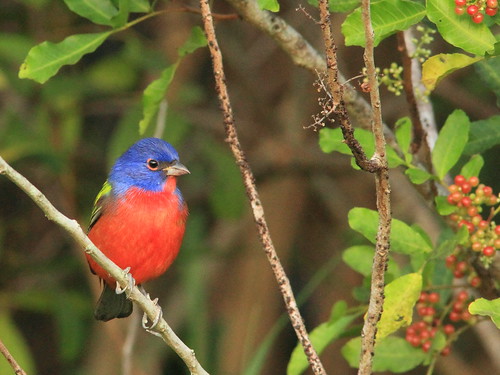
During November, 2015 we stayed put in south Florida. One of our favorite species had returned to spend the winter. On November 1,  a male Painted Bunting posed very nicely in a  Brazilian Pepper. The leaves and berries accented the many colors of his coat:

Painted Bunting 3-20151102

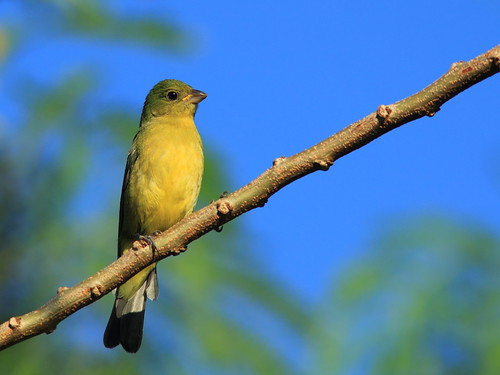
A female Painted Bunting was beautiful in her own right:

Painted Bunting female 20151101

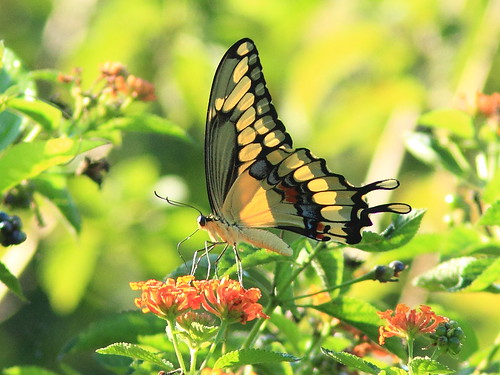
That same day I was treated to a Giant Swallowtail which paused for a sip of nectar from a Lantana blossom:

Giant Swallowtail original  20151101

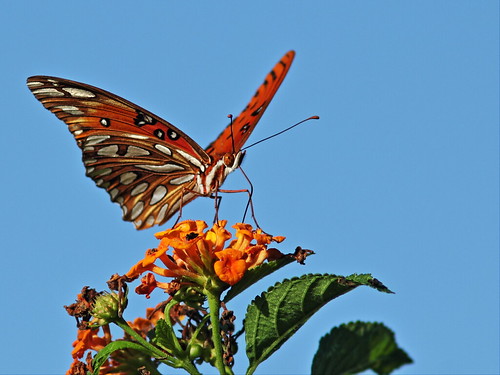
A Gulf Fritillary also enjoyed the Lantana...

Guolf Fritillary 20151104

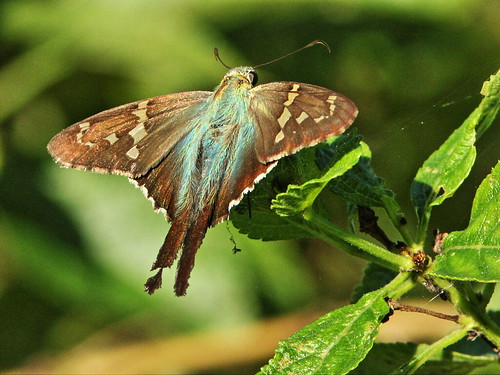
...as did a Long-tailed Skipper:

Long-tailed Skipper 20151103

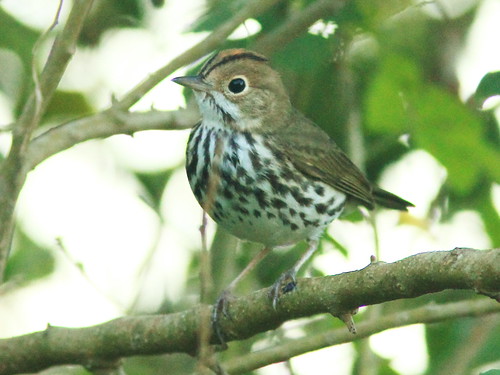
Ovenbirds had recently arrived:

Ovenbird 3-20151103

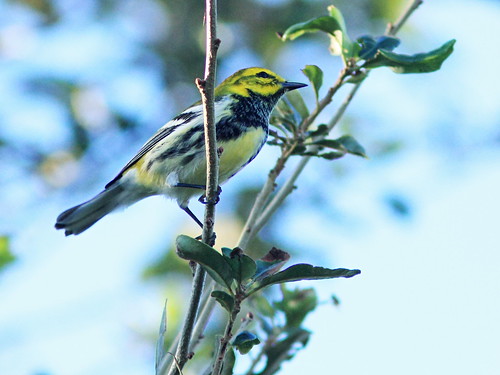
Black-throated Green Warblers moved though on their way to the Tropics:

Black-throated Green Warbler 20151103

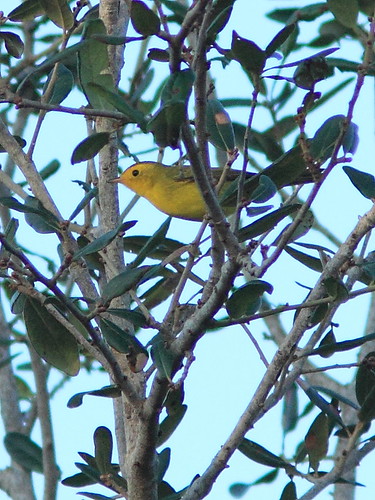
Wilson's Warblers were also passing by:

Wilson's Warbler 20151101

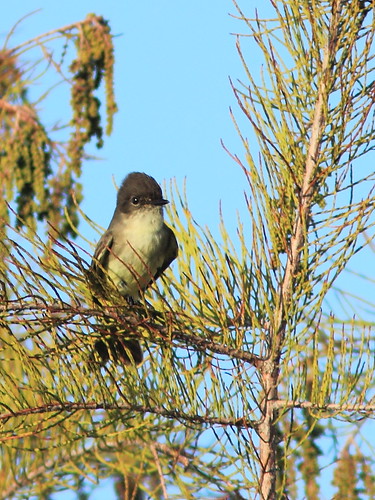
An Eastern Phoebe will plan to stay here for the winter...

Eastern Phoebe 20151108

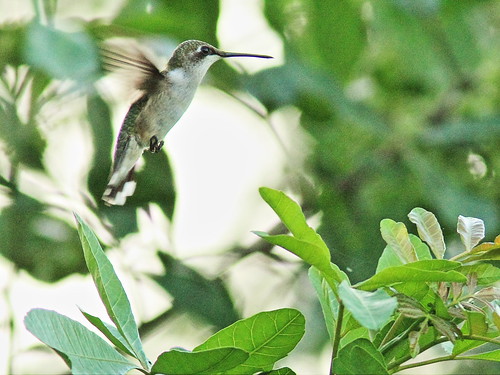
...along with a Ruby-throated Hummingbird...

Ruby-throated Hummingbird 20151105

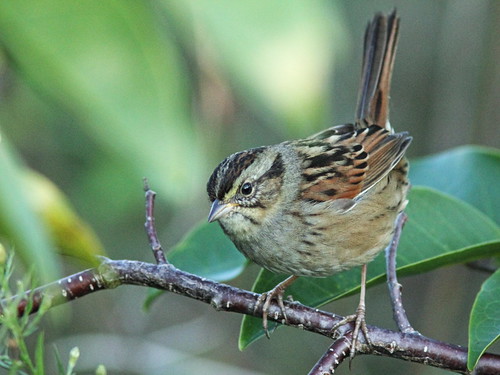
...as will the Swamp Sparrow...

Swamp Sparrow 02-20151123

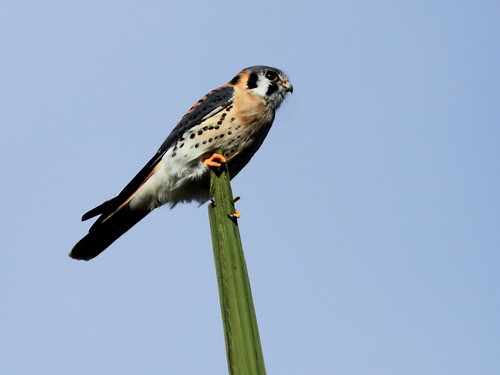
...and an American Kestrel, perched atop a Royal Palm spire:

American Kestrel 5-20151127

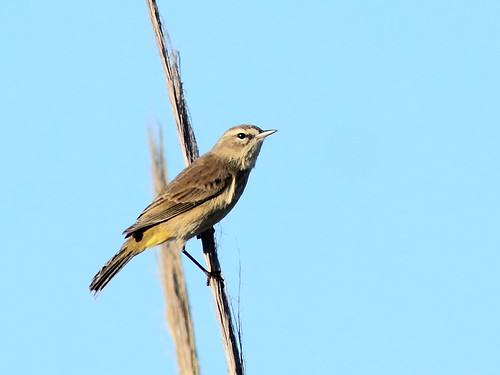
Palm Warblers will be abundant here all winter-- some call them "Florida Sparrows:"

Palm Warbler 2-20151127

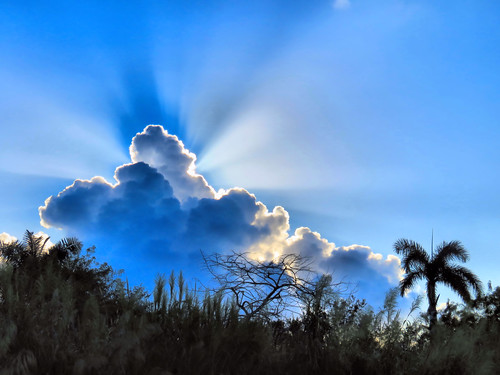
We had a few thunderstorms. This one was brewing in front of the morning sun:

Cumulus cloud HDR 20151109

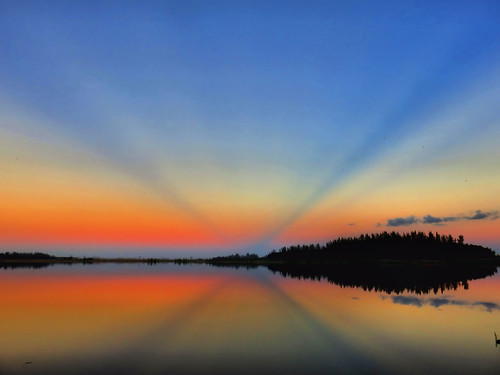
Most mornings were still. Here the rays of the rising sun were mirrored over the lake on the opposite horizon:

Mirrored sunrise over lake HDR 20151103

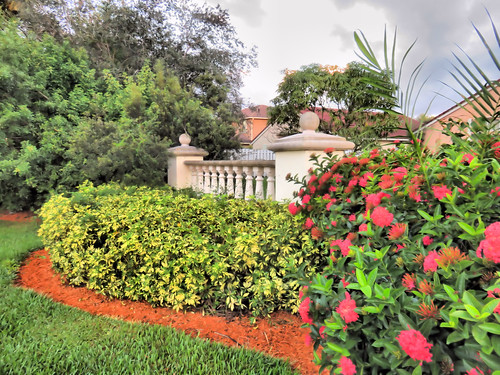
Flowers fourished as the temperature moderated. Red Ixora bloomed alongside the entrance gate to our subdivision:

Monaco Cove entry HDR 20151106

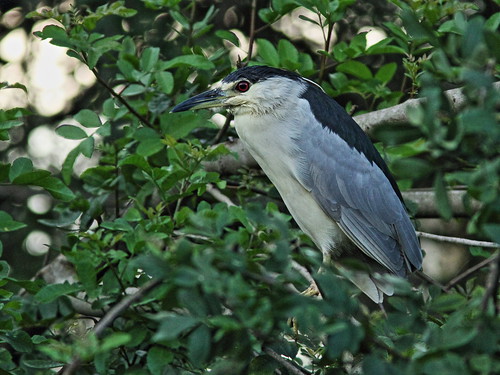
In the rookery, we hoped that this Black-crowned Night-Heron would nest this season:

Black-crowned Night-Heron 20151108

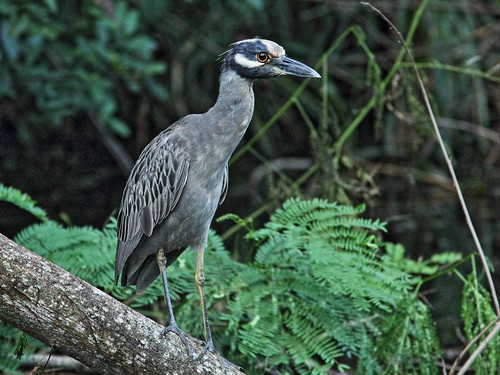
As breeding season approaches, this Yellow-crowned Night Heron will grow plumes and take on a golden hairdo:

Yellow-crowned Night-Heron dirty crown 20151108

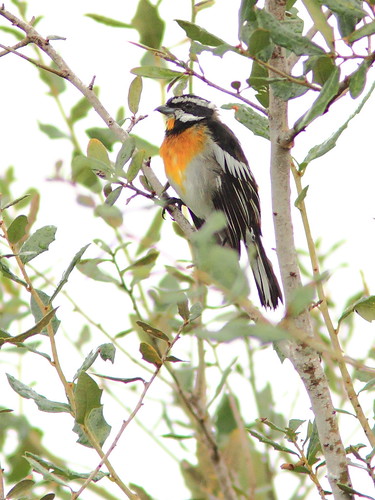
At nearby Markham Park, we enjoyed the visit of a wandering tanager from the Caribbean,  a Western Spindalis:

Western Spindalis 3-20151130

Western Spindalis 2-20151130

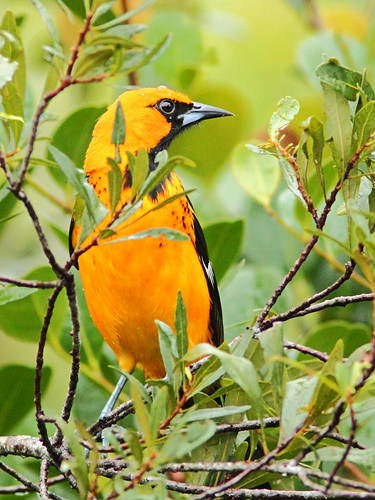
The Spot-breasted Oriole was associated with the vagrant Spindalis. A new species for me, it is only found in a few selected localities:

Spot-breasted Oriole 20151130


= = =  = = =  = = = =  = = = = =

Linking to Misty's  CAMERA CRITTERS,

Linking to Eileen's SATURDAY'S CRITTERS,

Linking to SKYWATCH FRIDAY by Yogi, Sylvia and Sandy

Linking to WEEKEND REFLECTIONS by James

Linking to BirdD'Pot by Anni

Linking to Our World Tuesday by Lady Fi

Linking to Wild Bird Wednesday by Stewart

Linking to Wordless Wednesday (on Tuesday) by NC Sue

Linking to ALL SEASONS by Jesh

 Linking to Fences Around the World by Gosia

________________________________________________
Please visit the links to all these memes to see some excellent photos on display

________________________________________________
Thursday, March 8, 2018

Exotic lunch for Florida herons

On the first of March a "Semi-SuperMoon" set over the lake in our local Wounded Wetlands. It was about 226,137 miles from Earth, while January's "Super Moon" was nearly 5,000 miles nearer. This was unfair to February, which had no full Moon at all, while January and March each hosted an extra (Blue) Moon. On average, this happens only in non-Leap Years, once about every 25 years--  and I missed celebrating my half birthday as well, for the 60th+ time! 

Semi-SuperMoon setting 01-20180301

Today's post begins and ends at Shark Valley in Everglades National Park.

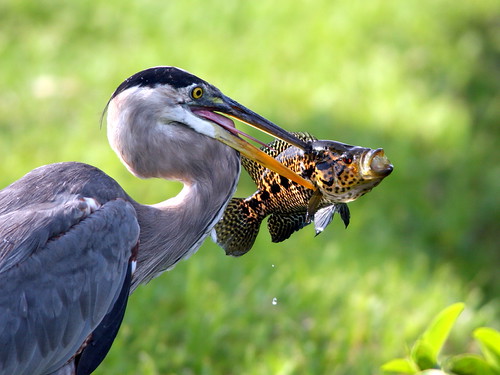
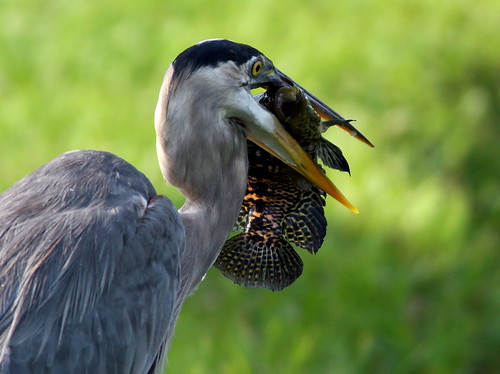
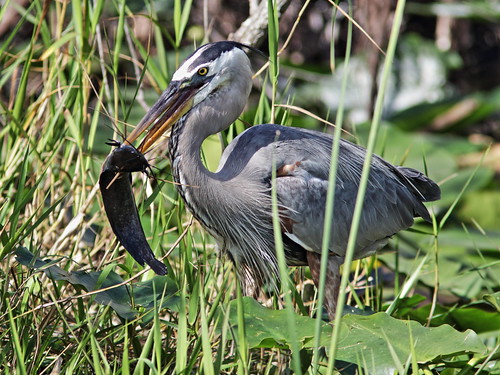
Back in May, 2009 I took one of my favorite photos at Shark Valley. I was not sure of the identity of the fish which this Great Blue Heron had caught, but Internet friends identified it as a Jaguar Guapote, native to Nicaragua in Central America.


I learned from Wikipedia that it is a food fish "and is also found in the aquarium trade where it is variously known as: the jaguar cichlid, managuense cichlid or Managua cichlid, guapote tigre, Aztec cichlid, spotted guapote and jaguar guapote. It grows to 55–63 cm (22–25 in)."

Great Blue Heron Catches Cichlid 20090528

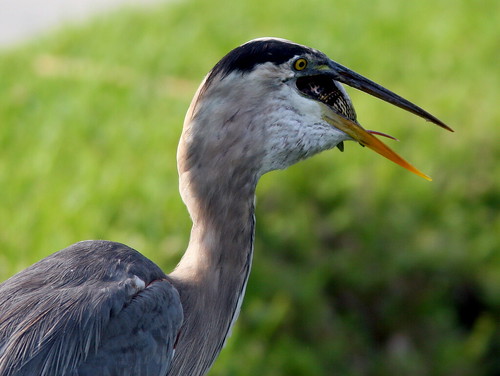
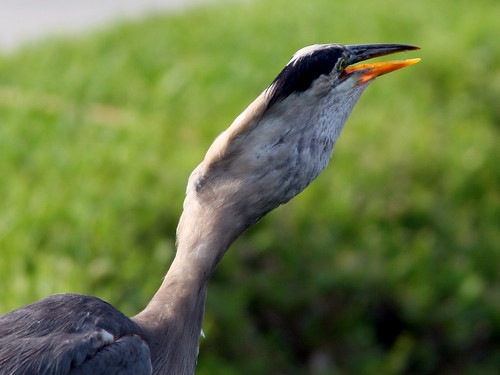
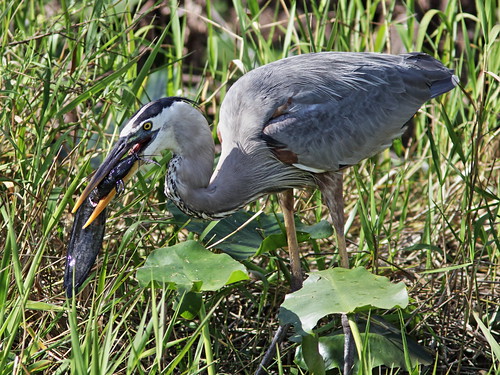
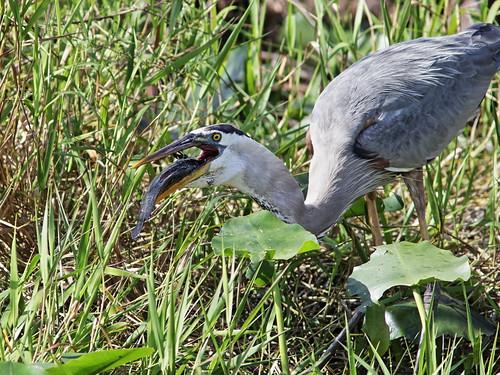
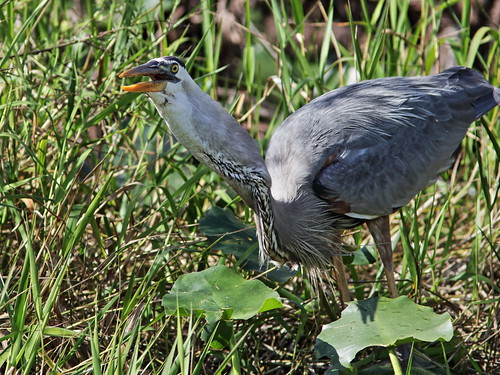
I could not believe that the heron would be able to swallow it!

Great Blue Heron Ready to Swallow 20090528

Great Blue Heron Swallows Tilapia 20090528

Great Blue Heron Swallows Tilapia 2-20090528

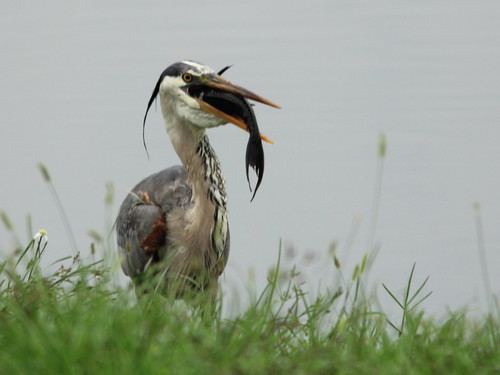
Hypostomus plecostomus, also known as Algae Eater or "Pleco," is a popular aquarium fish from South America which has been introduced into Florida waters. They  are not venomous, though they do have sharp spines that could cause injury if they are handled carelessly. This was the second time I photographed a Great Blue Heron eating one at our back yard lake.

Great Blue Heron with Plecostomas sp 4-20120606

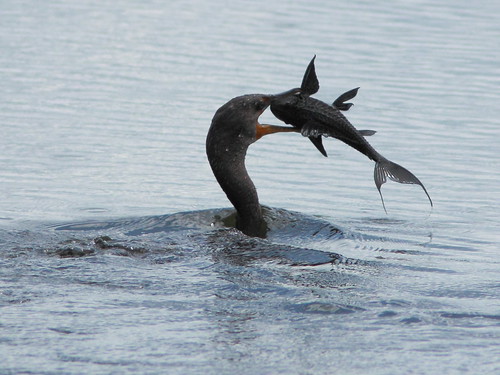
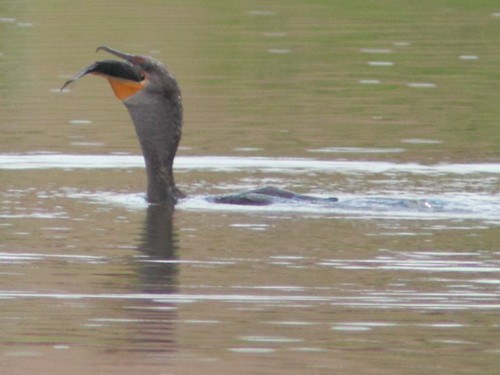
A drama played out in the same lake after I noticed that a Double-crested Cormorant had caught another  large exotic Plecostomus. The 9-10 inch fish struggled vigorously in the bird's beak, its spiny fins fully extended. I do not know how long the fish had been in the cormorant's grasp, but I watched intently to see if the bird could succeed in swallowing it, or whether it might get stuck in its gullet or esophagus. I watched for about 7 minutes and took poor photos from some distance. The bird won!

Cormorant (Phalacrocorax auritus) vs Plecostomus 20110925 103439AM

Cormorant vs Plecostomus 20110925 103854 AM

Last month I had the wonderful opportunity to meet up with three Internet friends from New Jersey, my home State. Dave was flying into Miami and Kurt, who now resides in Central Florida, met him at the airport. We planned to meet at Shark Valley before noon, so I headed over earlier. Len, who had driven down from New Jersey, joined the three of us. Although we had not planned to spend much time there, it was so interesting that we stayed well into the afternoon. There were phenomenal photo opportunities:

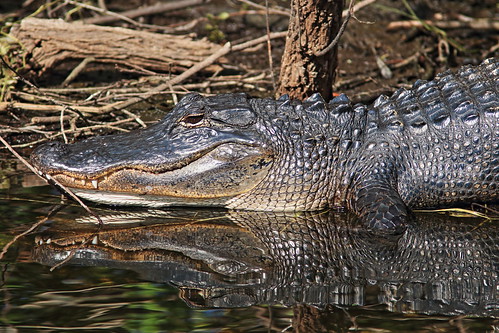
Alligators...

 American Alligator 20180209

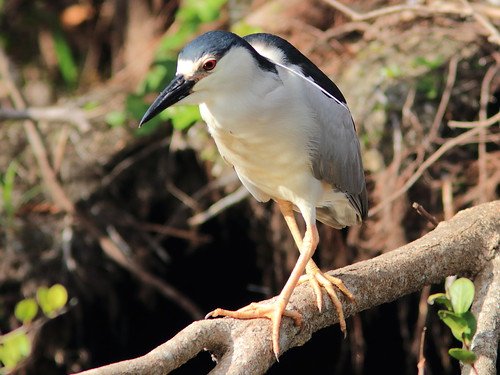
...Black-crowned Night-Herons (this one appears to be performing a soft-shoe dance)...

Black-crowned Night-Heron 03-20180209

...but the stars of the show were truly exotic. Florida is home to more than 300 species of exotic fishes. They resulted from intentional and accidental releases from such diverse sources as fish farms, pet trade breeding facilities, spilled shipments and of course, family pets which were freed when it was time to move or they grew too big or were too nasty for home aquariums.


Interestingly, one exotic species, the Pike Killifish was "of importance to medical science as research animals. It is interesting to note that the introduced population in south Florida stems from the release [in 1957] of pike killifish that were the subject of a medical research program whose funding had been terminated." REF: Florida Fish and Wildlife Conservation Commission

Further, the FWCC itself released Butterfly Peacock in 1961 "to control other non-native fishes." It is now a very popular sport fish.

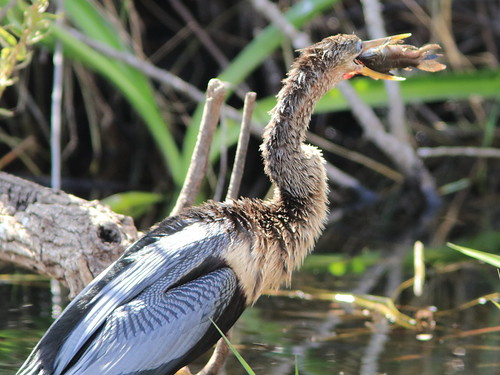
The waterways at Shark Valley were teeming with fish, some native but many were "immigrants." Exotic Walking Catfish and Brown Hoplo gulped air from the surface of a canal while herons and Anhingas took advantage of so many opportunities to capture them.

A Great Blue Heron speared a Walking Catfish:

Great Blue Heron with Walking Catfish 001-20180209

After subduing it by repeatedly swinging it down against the ground,...

Great Blue Heron with Walking Catfish 002-20180209

...the heron made several attempts to swallow it, head first,...

Great Blue Heron with Walking Catfish 003-20180209

Great Blue Heron with Walking Catfish 004-20180209

...and finally succeeded:

Great Blue Heron with Walking Catfish 005-20180209

Great Blue Heron with Walking Catfish 006-20180209

Great Blue Heron with Walking Catfish 007-20180209

A female Anhinga captured a Hoplo. A type of catfish, it is robust and has exceedingly sharp spines under each fin. Yet, it somehow went down:


 Anhinga with fish 03-20180209

Anhinga with fish 01-20180209

Anhinga with fish 02-20180209

Anhinga with fish 07-20180209

We did not leave Shark Valley until mid-afternoon, and I felt wiped out by the heat to the point that I feared heat exhaustion might set in. I drank plenty of water and rested in my air-conditioned car for several minutes. Although I felt fully recovered, I thought it best to part with the others, who were heading to Big Cypress Swamp and planned to look for snakes after dark. It was a great day but enough was enough!


= = =  = = =  = = = =  = = = = =

Linking to Misty's  CAMERA CRITTERS,

Linking to Eileen's SATURDAY'S CRITTERS,

Linking to SKYWATCH FRIDAY by Yogi, Sylvia and Sandy

Linking to WEEKEND REFLECTIONS by James

Linking to BirdD'Pot by Anni

Linking to Our World Tuesday by Lady Fi

Linking to Wild Bird Wednesday by Stewart

Linking to Wordless Wednesday (on Tuesday) by NC Sue

Linking to ALL SEASONS by Jesh

________________________________________________
Please visit the links to all these memes to see some excellent photos on display

________________________________________________