As I have been doing every month, it's time to look back on events of three years ago, helping to know what to expect out on the Wounded Wetlands as the seasons change from wet to dry (unless El Niño has his way). I will look for favorite memes among nearly 800 photos I processed that month-- critters of all kinds, fences, skies, reflections, and those scenes which need no description.
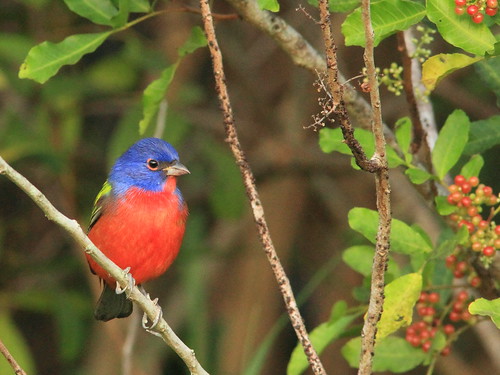
During November, 2015 we stayed put in south Florida. One of our favorite species had returned to spend the winter. On November 1, a male Painted Bunting posed very nicely in a Brazilian Pepper. The leaves and berries accented the many colors of his coat:
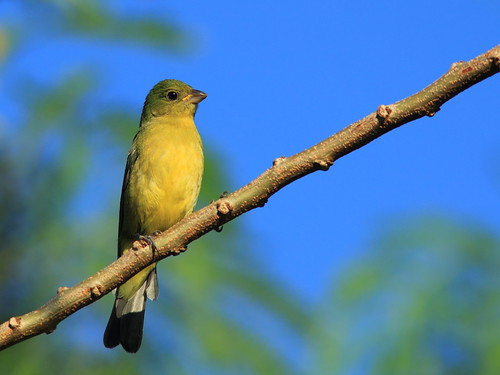
A female Painted Bunting was beautiful in her own right:
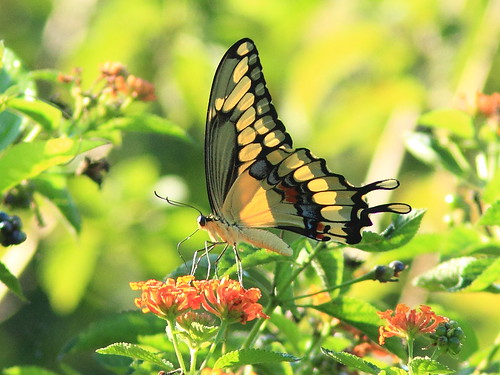
That same day I was treated to a Giant Swallowtail which paused for a sip of nectar from a Lantana blossom:
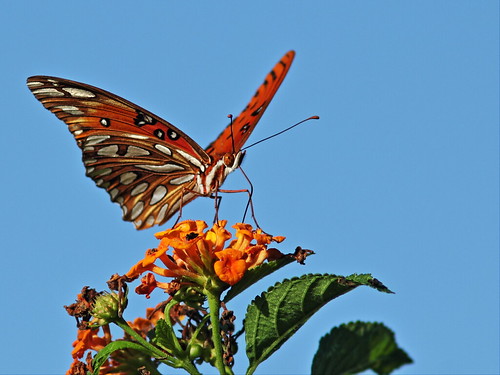
A Gulf Fritillary also enjoyed the Lantana...
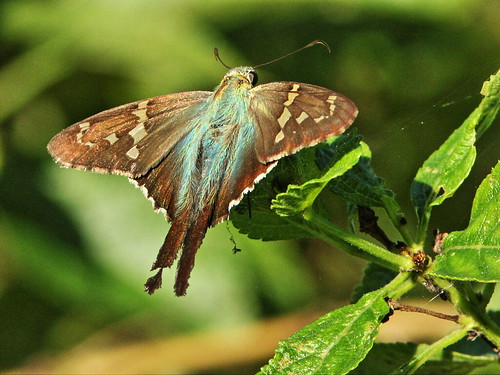
...as did a Long-tailed Skipper:
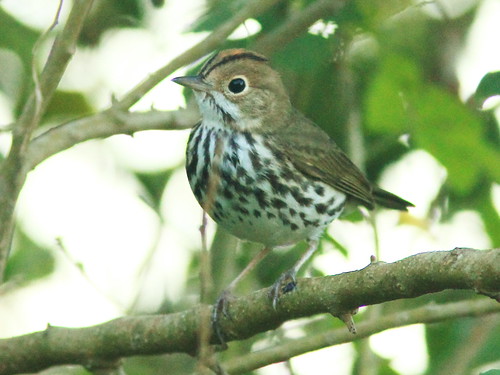
Ovenbirds had recently arrived:
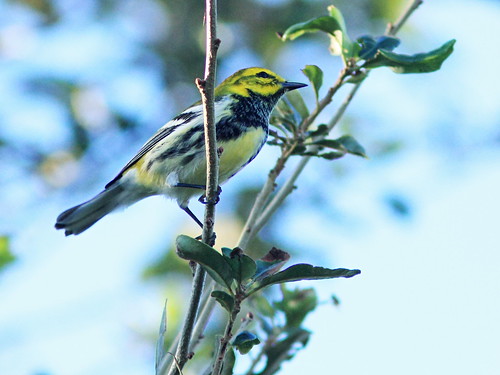
Black-throated Green Warblers moved though on their way to the Tropics:
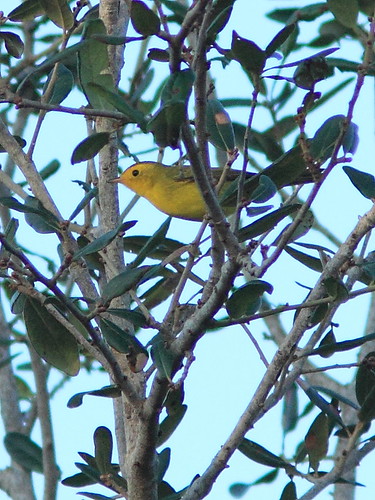
Wilson's Warblers were also passing by:
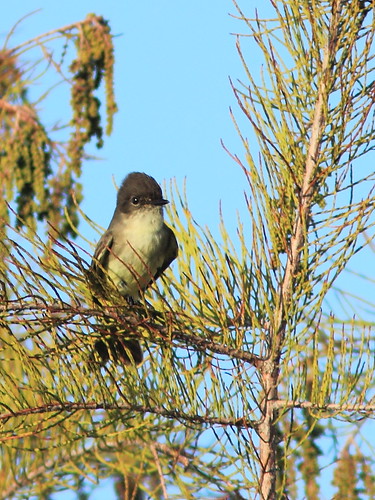
An Eastern Phoebe will plan to stay here for the winter...
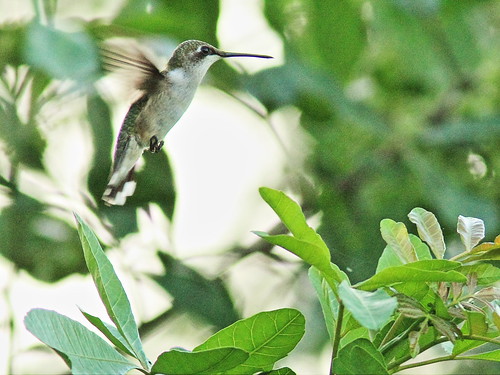
...along with a Ruby-throated Hummingbird...
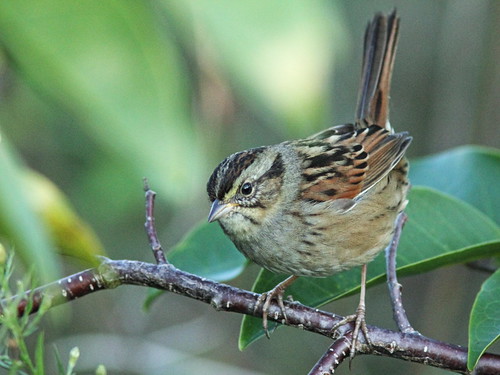
...as will the Swamp Sparrow...
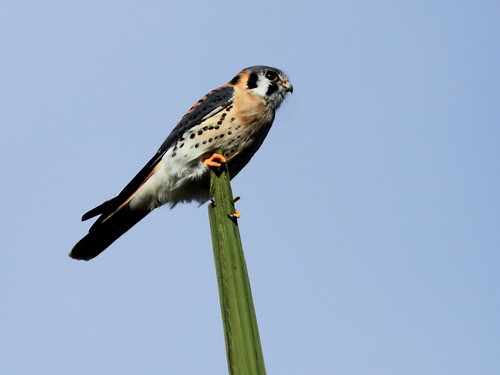
...and an American Kestrel, perched atop a Royal Palm spire:
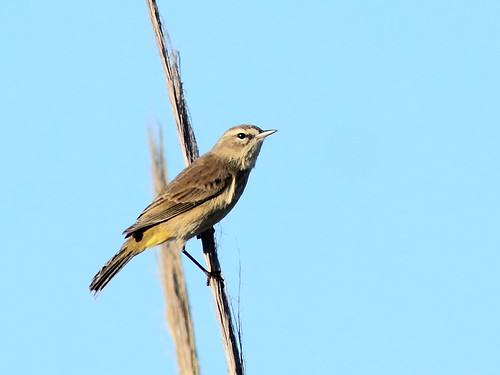
Palm Warblers will be abundant here all winter-- some call them "Florida Sparrows:"
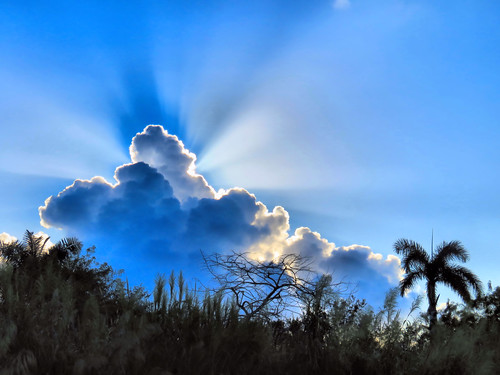
We had a few thunderstorms. This one was brewing in front of the morning sun:
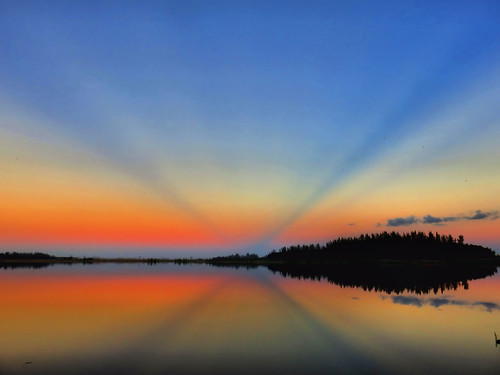
Most mornings were still. Here the rays of the rising sun were mirrored over the lake on the opposite horizon:
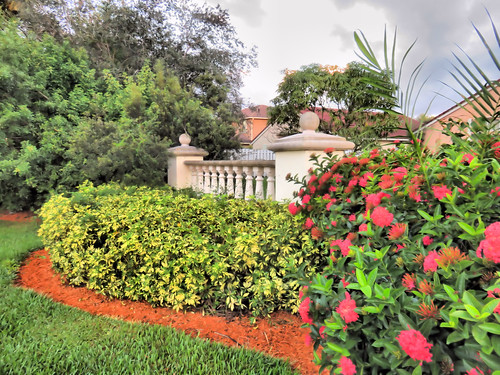
Flowers fourished as the temperature moderated. Red Ixora bloomed alongside the entrance gate to our subdivision:
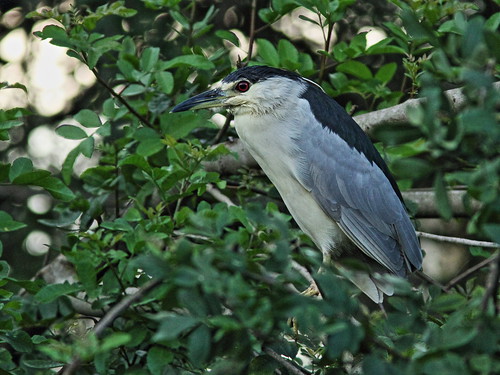
In the rookery, we hoped that this Black-crowned Night-Heron would nest this season:
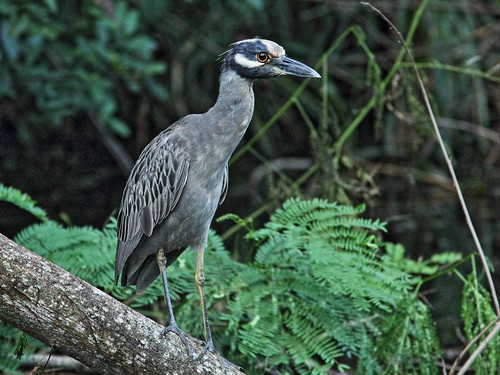
As breeding season approaches, this Yellow-crowned Night Heron will grow plumes and take on a golden hairdo:
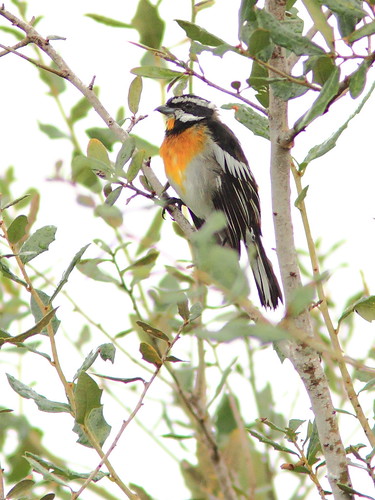
At nearby Markham Park, we enjoyed the visit of a wandering tanager from the Caribbean, a Western Spindalis:

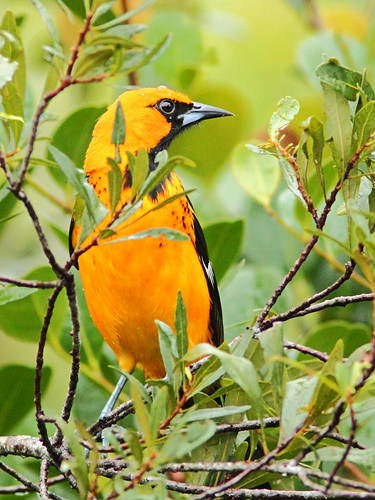
The Spot-breasted Oriole was associated with the vagrant Spindalis. A new species for me, it is only found in a few selected localities:
= = = = = = = = = = = = = = =
Linking to Misty's CAMERA CRITTERS,
Linking to Eileen's SATURDAY'S CRITTERS,
Linking to SKYWATCH FRIDAY by Yogi, Sylvia and Sandy
Linking to WEEKEND REFLECTIONS by James
Linking to BirdD'Pot by Anni
Linking to Our World Tuesday by Lady Fi
Linking to Wild Bird Wednesday by Stewart
Linking to Wordless Wednesday (on Tuesday) by NC Sue
Linking to ALL SEASONS by Jesh
Linking to Fences Around the World by Gosia
________________________________________________
Please visit the links to all these memes to see some excellent photos on display
________________________________________________
This winter we are looking forward to a series of monthly nature walks at Chapel Trail Nature Preserve in neighboring Pembroke Pines.
Before Mary Lou and I moved from New Mexico to south Florida in 2004 we learned about the planned opening of this wetland preserve. During visits prior to our relocation we had visited the site, watched the construction of a boardwalk and anticipated its imminent debut.
Unfortunately, vandals set a fire which caused extensive damage and the area remained closed for repairs. A hurricane hit only a couple of years later and turned over almost half of the boardwalk structure, necessitating another closure. Since then we have made many visits and often found it to be hospitable to a nice variety of resident and migratory birds.
These are views of the boardwalk last November:
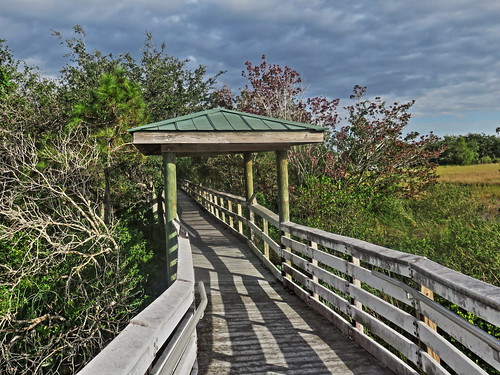
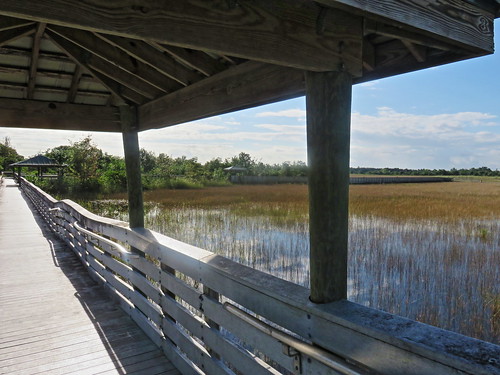
To anticipate what we might see this year, a few of last year's November sightings from the boardwalk vantage points follow.
Blue-gray Gnatcatcher:

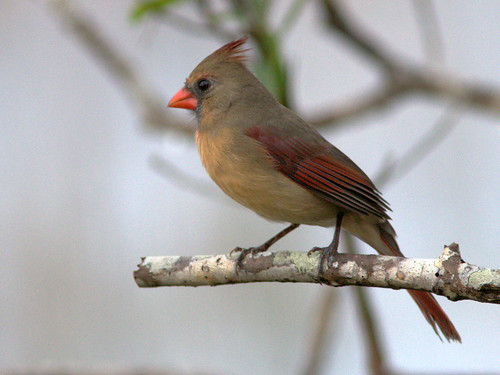
Female Northern Cardinal:
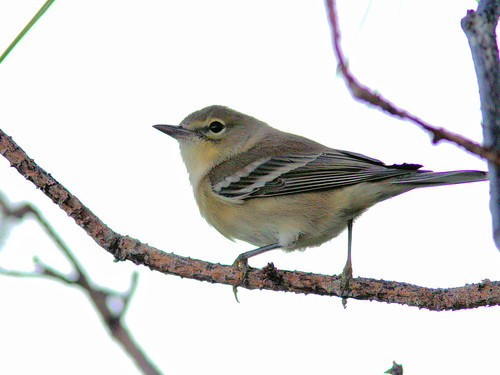
Pine Warbler:
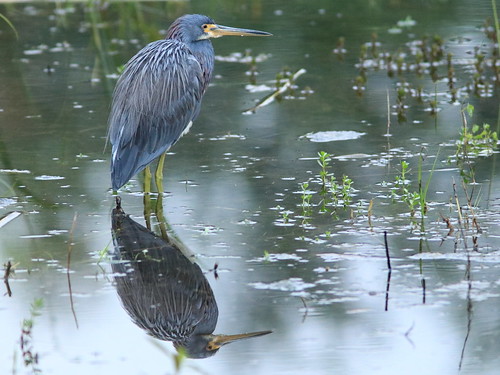
Tricolored Heron:
From earlier years--
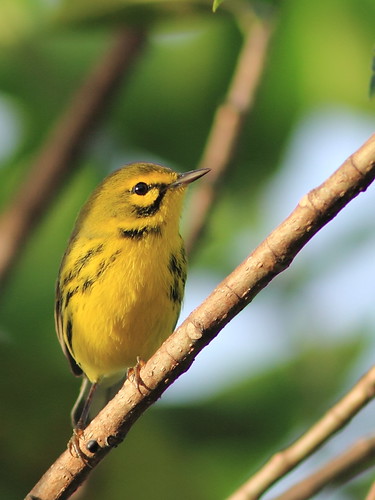
Prairie Warbler:
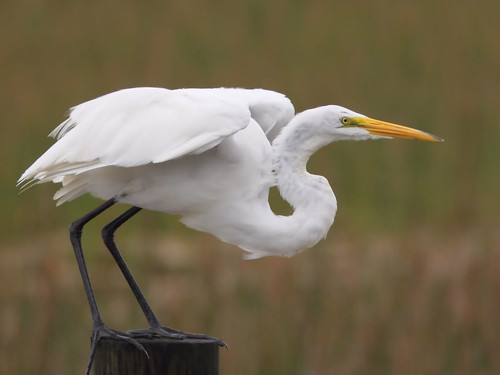
Great Egret:
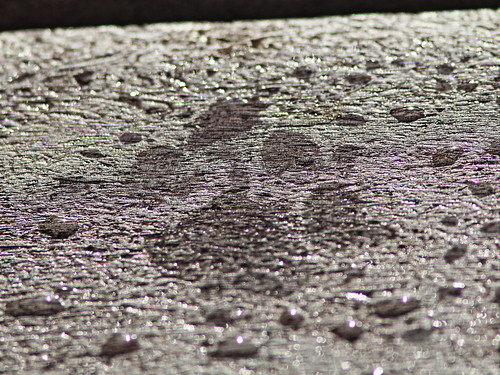
A Bobcat track in the dew on the boardwalk (Mary Lou saw it, but this is all I have to remember it by):
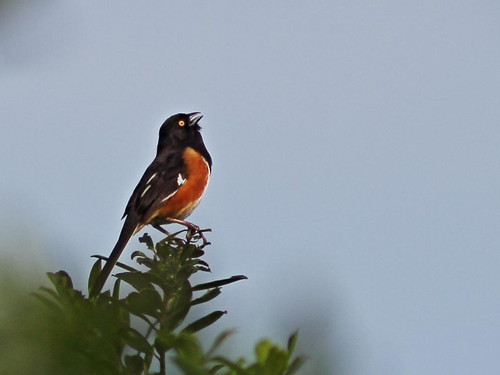
An Eastern Towhee with yellow eyes, a Florida specialty as this species has red eyes in its northern range:
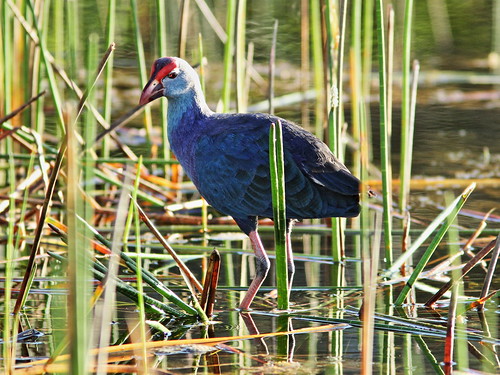
Gray-headed (formerly called "Purple") Swamphen:
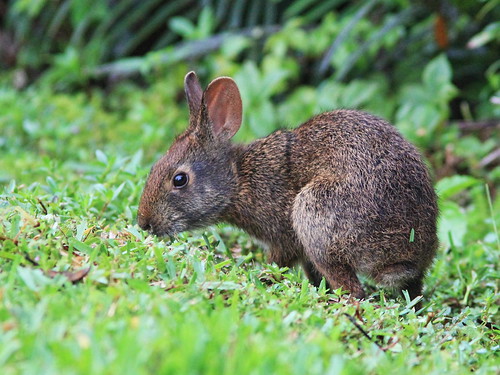
A young Marsh Rabbit:
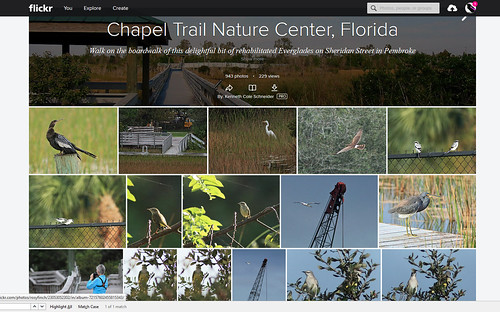
These are the first two pages of my Chapel Trail photo album from back in 2015. I now have processed over 1000 photos from this location:
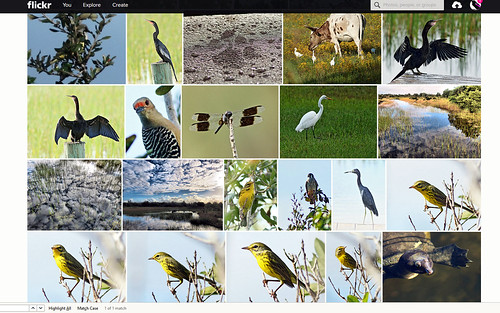
Although it is cut off from the Everglades and fed by rainwater and drainage canals which can cause unusual fluctuation of its water levels, the hydrology of this wetlands roughly mirrors that of the River of Grass-- flooded during spring and summer and gradually drying out as winter advances.
This year, an extremely wet month of May and the need to reduce the water level in Lake Okeechobee in preparation for the hurricane season placed a burden on the canal system and water backed up into the wetlands. This dispersed aquatic prey, and resulted in a lower concentration of herons and egrets throughout the summer. Water conditions should be more favorable this November.
A prominent plant in the flooded areas is Spikerush, which favors longer periods of flooding (hydroperiod), quite the opposite of Sawgrass which declines if its roots remain submerged over several seasons. At Chapel Trail, the Sawgress flourishes on the higher ground, but areas of Spikerush provide habitat for microorganisms and invertebrates which attract fish and wading birds. Swamphens and other wildlife eat their nourishing seeds, shoots, roots and tubers.
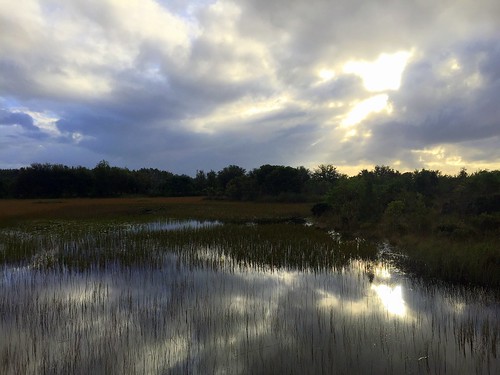
Spikerush in a flooded prairie on a rainy morning in November, 2017:
We normally visit Chapel Trail Nature Preserve in order to observe wildlife FROM its 1/4 mile boardwalk. I started thinking about what we might have seen ON rather than FROM this structure, so I searched my photo archives and turned up quite a few creatures!
Click here to see critters ON (not FROM) the boardwalk at Chapel Trail
= = = = = = = = = = = = = = =
Linking to Misty's CAMERA CRITTERS,
Linking to Eileen's SATURDAY'S CRITTERS,
Linking to SKYWATCH FRIDAY by Yogi, Sylvia and Sandy
Linking to WEEKEND REFLECTIONS by James
Linking to BirdD'Pot by Anni
Linking to Our World Tuesday by Lady Fi
Linking to Wild Bird Wednesday by Stewart
Linking to Wordless Wednesday (on Tuesday) by NC Sue
Linking to ALL SEASONS by Jesh
Linking to Fences Around the World by Gosia
________________________________________________
Please visit the links to all these memes to see some excellent photos on display
________________________________________________