Showing posts with label Eastern Bluebird. Show all posts

Thursday, May 6, 2021

Crops & Clips: Flashback to May, 2018

 As I do each month, I enjoyed looking back over my archived photos, taken three years previously, to remember how things were then and maybe get some idea of what to expect this year. As usual, I searched for images which reflected favorite memes: critters of all kinds (especially birds), skies and clouds, reflections, flowers and fences, as well as scenes which speak for themselves. 

This was our final stay in our Illinois condo. It had served as our second home for eleven years, but keeping two residences was getting to be a chore. We vacated it late in May and closed the sale remotely during the next month. 

Early May is the height of songbird migration in NE Illinois, providing lots of color in the May photo archives. The first entry was a Baltimore Oriole:


Yellow Warbler:


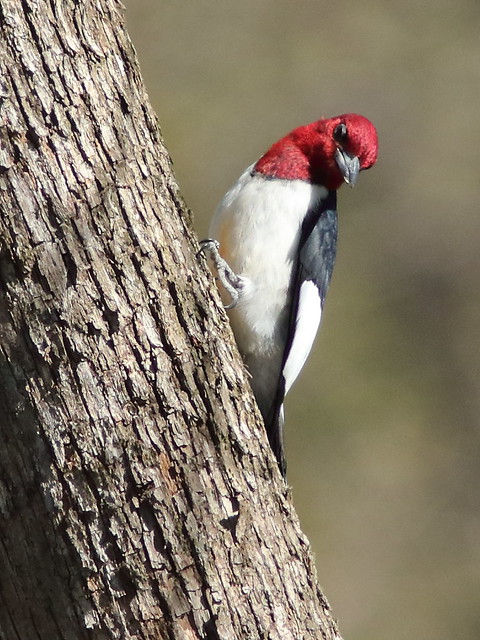
Red-headed Woodpecker:
Rose-breasted Grosbeak:

Eastern Bluebird:


Common Yellowthroat:


Tree Swallow:

Less colorful but nonetheless intriguing, a Great Horned Owl:


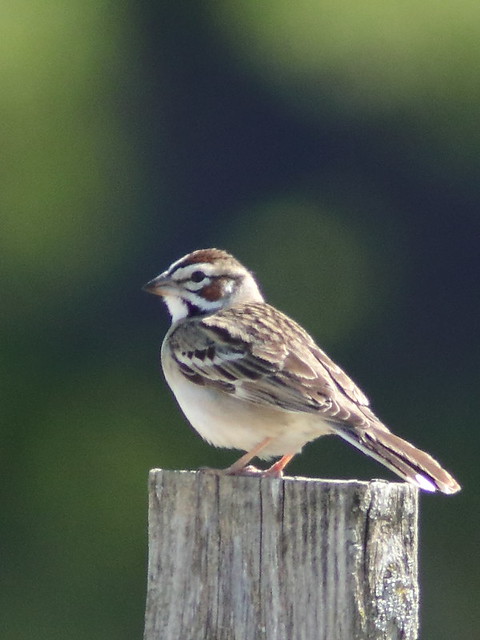
A few years earlier, within walking distance of our condo, we had discovered the first nesting Lark Sparrows in the county. To be honest, MaryLou spotted them and noted that they were unusual. 

When I looked at them through the binoculars I  recognized their strikingly bold face patterns. Lark Sparrows were back again this spring:
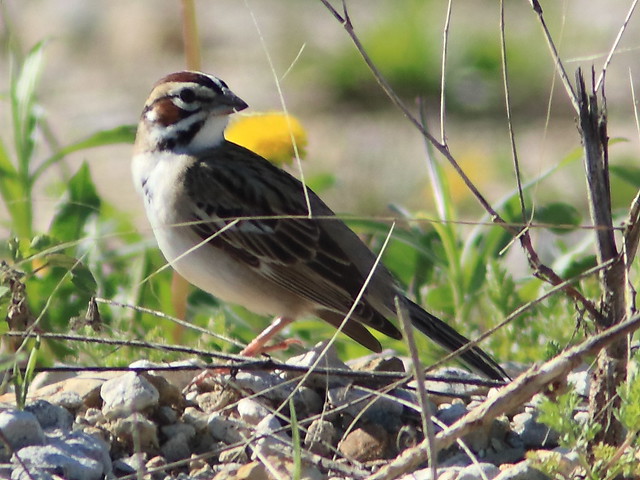

They can be difficult to see out on the dry prairie:

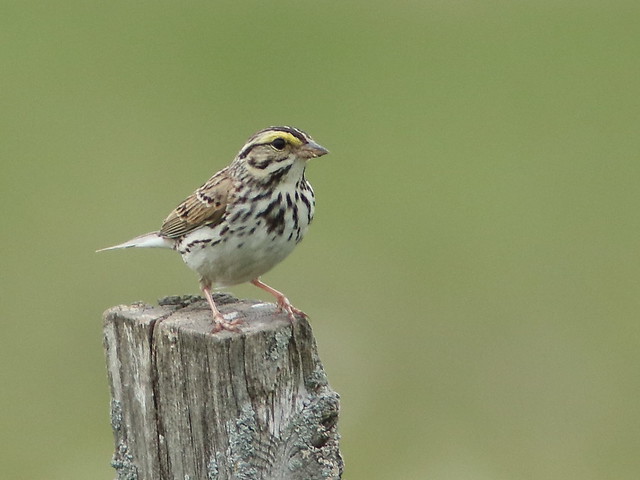
In the same field were Savannah Sparrows...
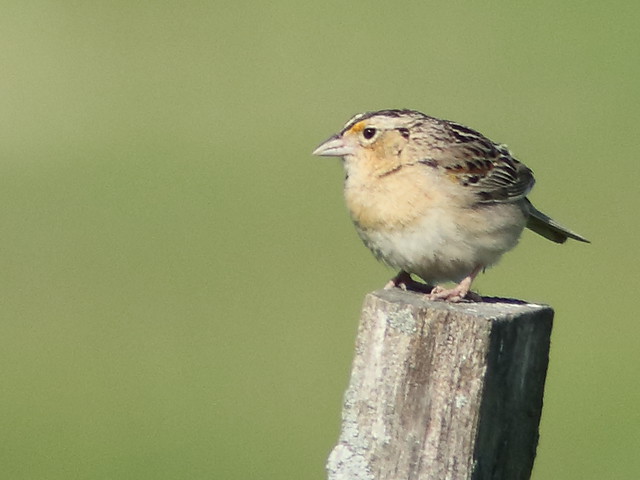
...and the smaller Grasshopper Sparrows:
A pair of House Sparrows snuggled on a fencepost:

Bobolink:

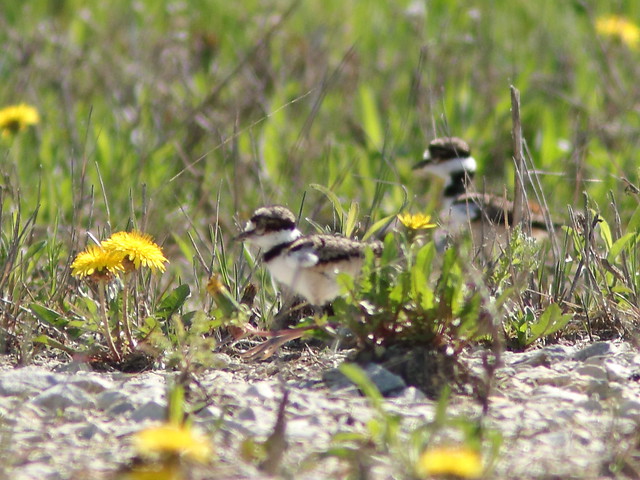
Also in the prairie, a Killdeer guarded two chicks:

Along the woodland path, Trout Lilies bloomed:

Wake Robin flowers were opening:

Blue Violets are the Illinois State Flowers:

Our daughter's family had gained two new pups within two weeks, a black Standard Poodle (Casador) and another Tibetan Mastiff (Moncada) to join Agramonte:

Agramonte greets the newest member of the pack:

The last of our furniture was towed away:

Sunset over neighborhood Jones Meadow Park:

On final approach to the Fort Lauderdale airport, we could find our house and familiar landmarks (click to enlarge):

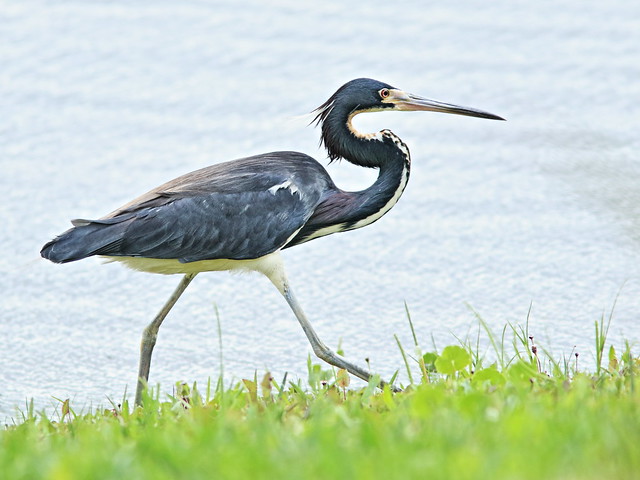
We ended the month in Florida. A back yard highlight was a Tricolored Heron:
= = =  = = =  = = = =  = = = = =

Linking to:


Fences Around the World

Nature Thursday

Skywatch Friday

Weekend Reflections

Saturday's Critters

BirdD'Pot

Camera Critters

All Seasons

Wordless Wednesday (on Tuesday)

Natasha Musing

Our World Tuesday

________________________________________________

Please visit the links to all these posts to see some excellent photos on display
________________________________________________
Thursday, December 21, 2017

Crops & Clips: Christmas birds

We had three cold fronts move through in succession this past week, driving the overnight temperatures into the mid 40's F (7 degees C) with a brisk northerly breeze. Daytime temperatures barely reached the chilly mid-50s F (15 degrees C).

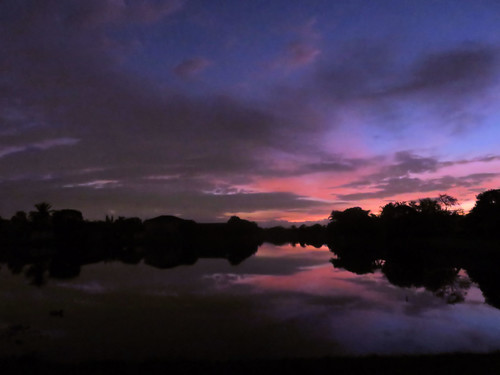
We get out early. Here is the view from our back yard taken at 6:24 AM, 40 minutes before sunrise on December 17, 2017:

Before Sunrise 0620AM 20171217

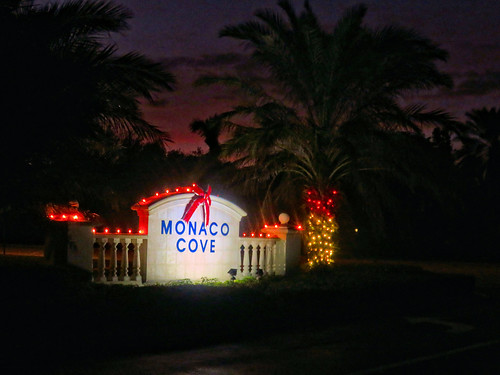
A half hour before sunrise, the sky is just beginning to lighten up behind the entrance gate of our subdivision:

Monaco Cove H 20171217

With Christmas and the holiday season upon us, I look back on some of my photos which convey the theme. Nothing rare, but lots of color and seasonal joy. We are in south Florida, so these are not holly berries--

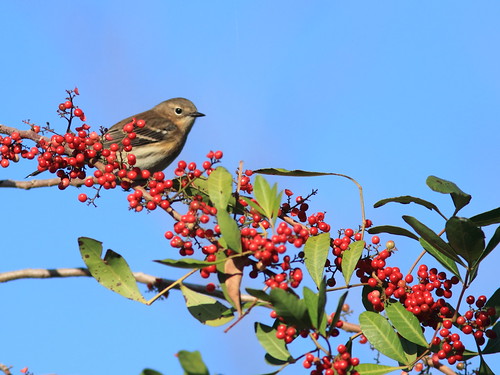
Yellow-rumped Warbler...

Yellow-rumped Warbler in Brazilian Peppers 20171217

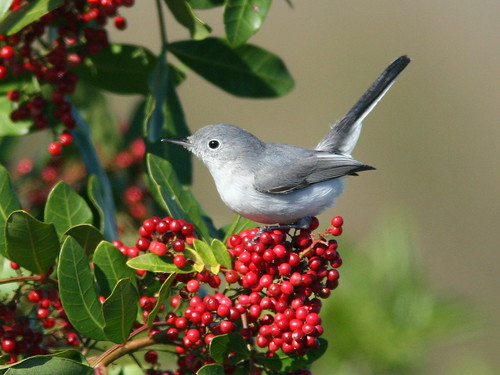
...and Blue-gray Gnatcatcher, on Brazilian Pepper:

Blue-gray Gnatcatcher 20100108

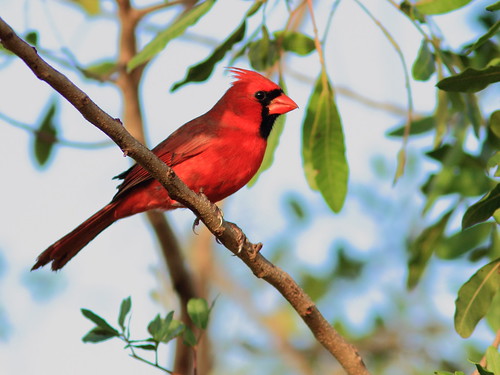
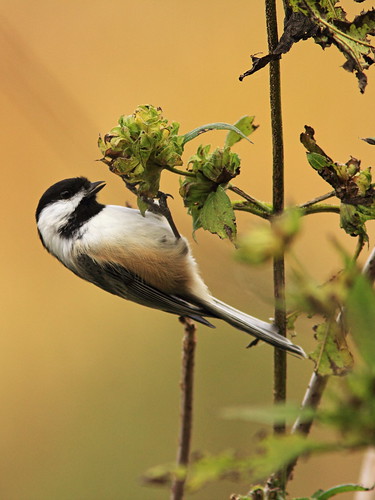
European holiday greeting cards often feature Robins and Turtle Doves. Here in the US, the most popular birds shown on Christmas cards seem to be cardinals and chickadees.

Northern Cardinal:

Northern Cardinal 2-20151209

Black-capped Chickadee (taken in Illinois, as it does not range into south Florida):

Black-capped Chickadee 13-20141021

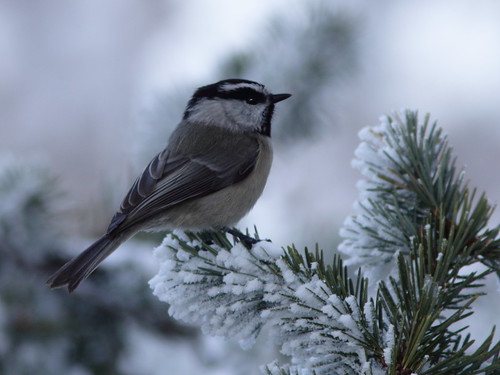
No snow here. This Mountain Chickadee appears in one of my New Mexico photos:

Mountain Chickadee 20111114

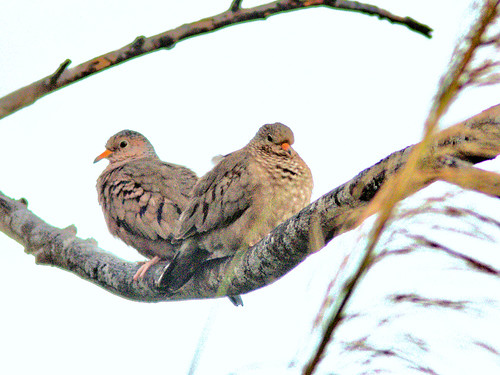
This loving pair of Common Ground-Doves must substitute for Turtle Doves (getting over a lovers' quarrel?):

Common Ground-Doves 3-20170314

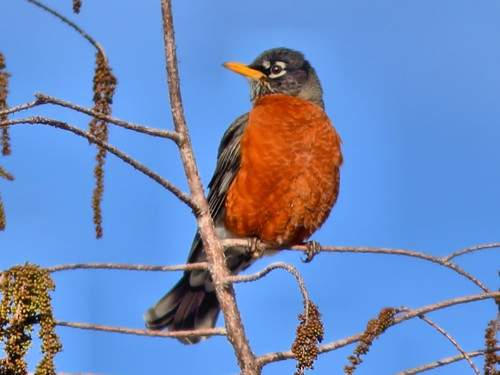
This American Robin, namesake of the unrelated European species, is an uncommon but welcome winter visitor to our local wetlands:

American Robin HDR 4-20160211

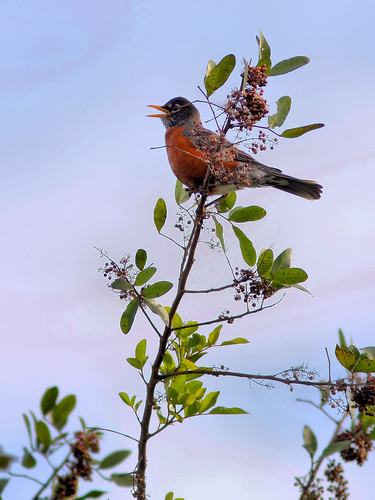
It too was eating the Brazilian Pepper berries:

American Robin HDR 2-20160211

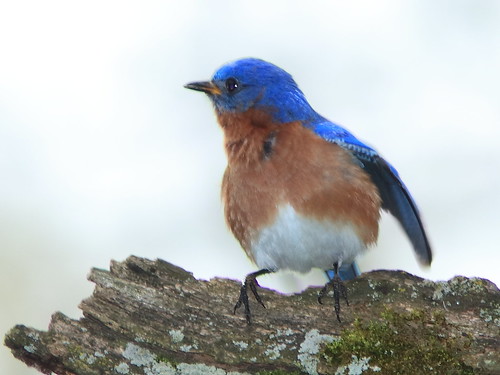
Like our robin, the Eastern Bluebird is a member of the thrush family. Their images often adorn holiday cards. I saw this one in Illinois:

Eastern Bluebird male 4-20170503

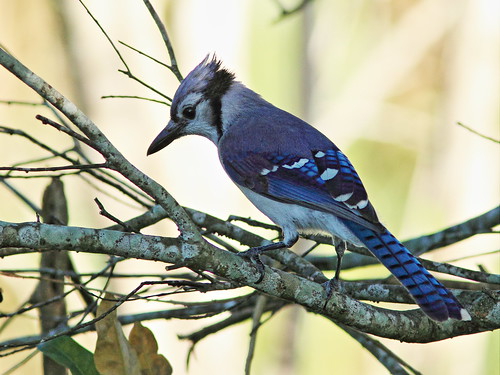
I wish I had photos of a Blue Jay on snow...

Blue Jay 20131117

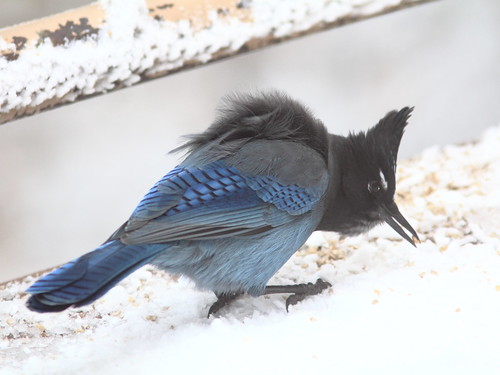
...but I did catch this snow scene, of the closely related Steller's Jay,  almost two miles high on Sandia Crest in New Mexico:

Steller's Jay 2-20111114

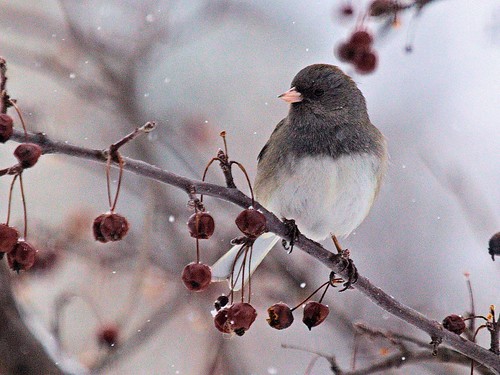
Florida has many "snowbirds" of the people kind, but the Dark-eyed Junco deserves the name. This one was enjoying the snowflakes in our daughter's back yard in Illinois:

Dark-eyed Junco 2-20130227

I searched my archives for photos taken on Christmas day--

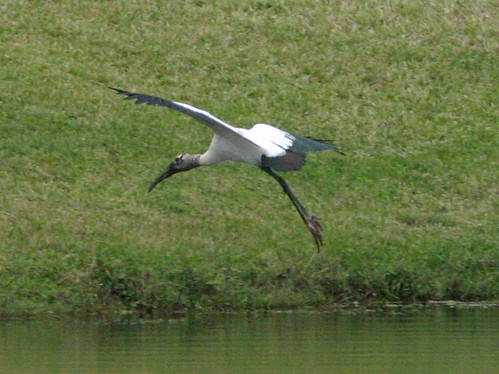
A back yard Wood Stork (2008):

Wood Stork 20081225

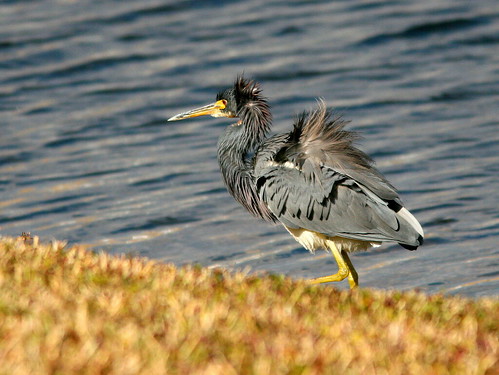
A wind-blown Tricolored Heron on our lawn (2010):

Tricolored Heron in following breeze 20101225

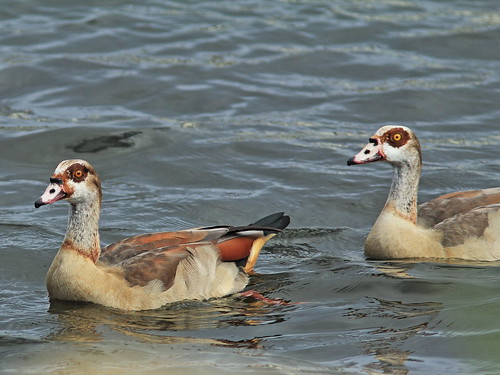
Pair of Egyptian Geese approaching the near shore of our lake (2013)

Egyptian Geese 20131225

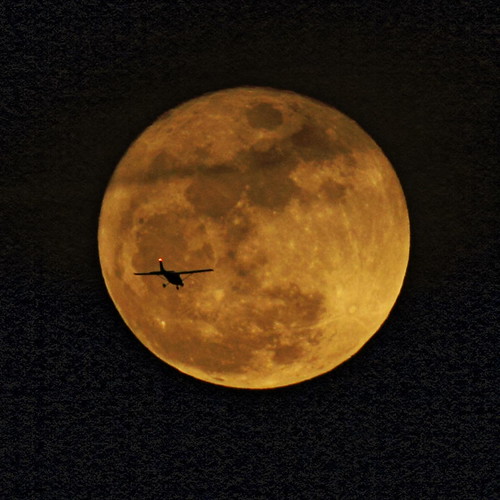
From the back patio, an airplane crossing in front of the full Cold Moon (2015):

Moon plane sequence 2 20151225

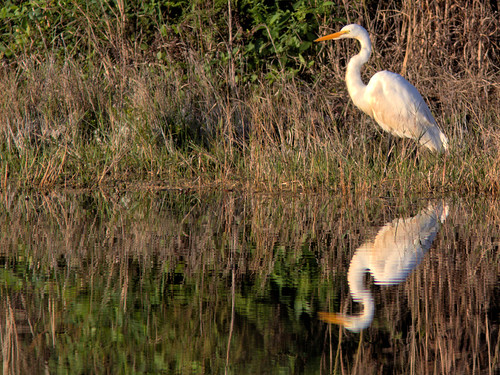
Also on Christmas, 2016, a Great Egret in the local wetlands reflected nicely:

Great Egret 20161226

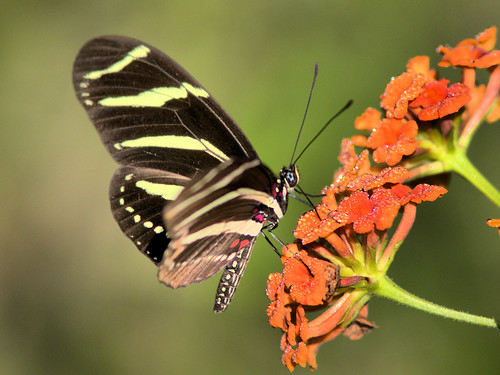
This photo of a Zebra Heliconian was taken on Christmas Day just last year. The butterfly is feasting on Lantana flower nectar. This year, Hurricane Irma struck on September 10, and so altered the habitat that nearly all flower buds and fruits were stripped off the trees and shrubs. This resulted in a serious lack of butterflies, even though the artificial "pruning" later caused a flush of blossoms which peaked in mid-November. 


The Lantanas have now gone to fruit and have no flowers at all. Their berries, which normally ripen and persist through much of the winter, are an important food source for wildlife. The same happened to the Trema trees, but the ones which were not blown down have not yet recovered and show no signs of new buds.

Zebra Heliconian 03-20161225

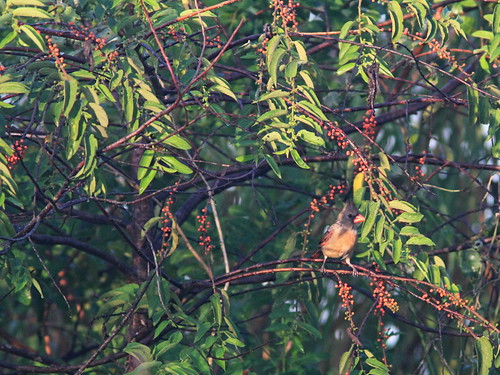
This photo shows a Northern Cardinal on a Trema rich with fruit. (I use it as wallpaper for this blog.) It was taken on September 5, 2016, almost exactly one year before the hurricane struck. Note that new fruit appears and ripens sequentially at the tips of the branches. The shoots continue to grow out and produce new berries all winter. Not this year!

Cardinal in fruiting Trema 20160904

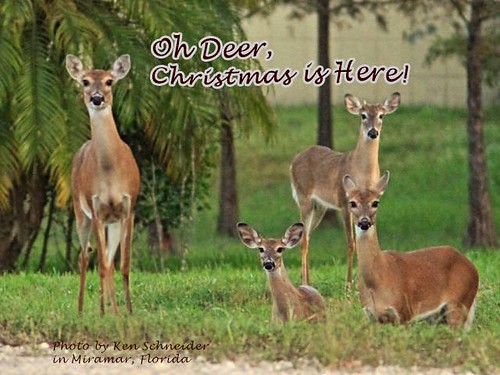
Merry Christmas, Happy Holidays and Happy New Year to all, and thank you for visiting and hosting my blog, which I started back in 2006.  A good friend, who has since passed, created this Christmas Card from one of my photos only three years ago:

Deer Christmas Card

On a happy note, I ran across many Christmas photos of our grandchildren. I thought these two, of our Illinois granddaughters were special (2007):

Christmas 2007

(2008):

 Las Nietas

= = =  = = =  = = = =  = = = = =

Linking to Misty's  CAMERA CRITTERS,

Linking to Eileen's SATURDAY'S CRITTERS,

Linking to FENCES AROUND THE WORLD by Gosia

Linking to SKYWATCH FRIDAY by Yogi, Sylvia and Sandy

Linking to WEEKEND REFLECTIONS by James

Linking to BirdD'Pot by Anni

Linking to Wild Bird Wednesday by Stewart

Linking to Wordless Wednesday (on Tuesday) by NC Sue

Linking to ALL SEASONS by Jesh

________________________________________________
Please visit the links to all these memes to see some excellent photos on display