Our local pair of Bald Eagles share responsibility for incubating the eggs, the first of which was laid around December 9 or 10. The female usually sits on them overnight and takes turns with the male during the day. On the morning of December 27 the male (Pride) took over incubation duties and his mate (Jewel) stretched her wings and circled overhead:
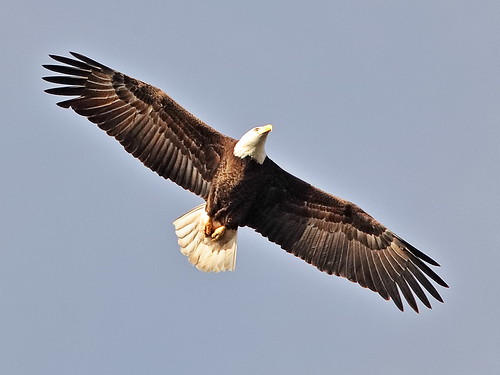
First one, and then a flock of Tree Swallows joined her. They did not attack or disturb her, but just floated around in circles with her:
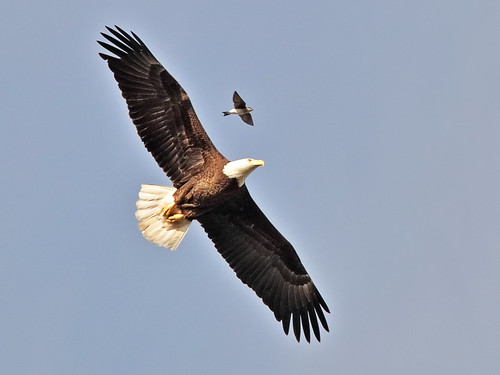
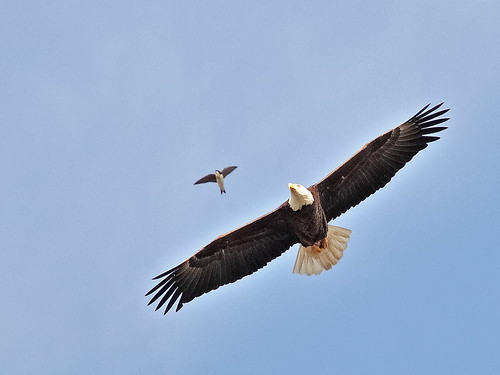

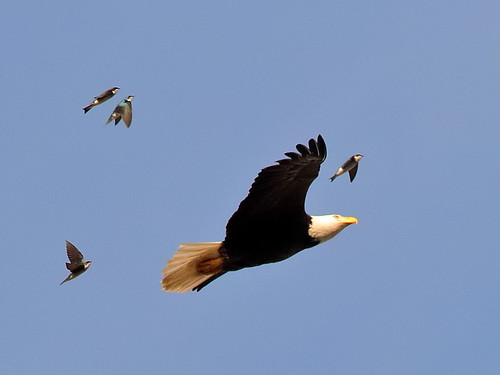
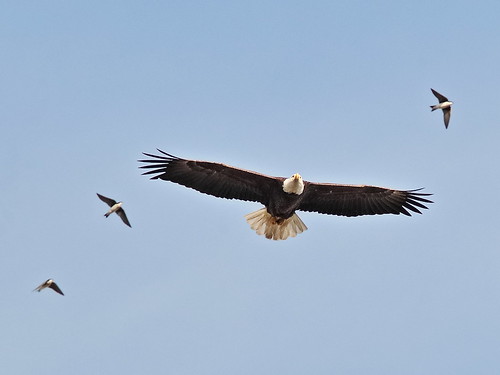
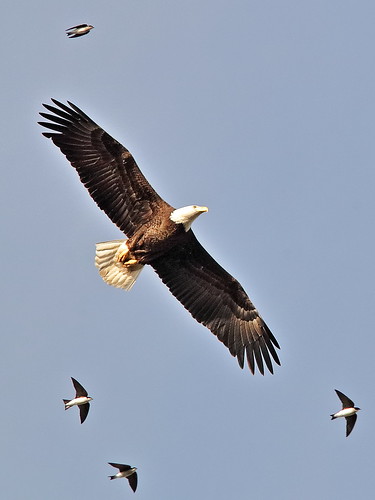
One may ponder the reason for this behavior. The swallows are migrants from the north and they have no territory to defend. Did the swallows perceive a threat? If so, there was no sign of this, as they glided effortlessly with the large bird and rotated together, gaining altitude before departing. Perhaps heat from the pavement of the roadway created a local updraft, and all simply took advantage of it. For me, the uplifting beauty of nature was a sight to behold and enjoy.
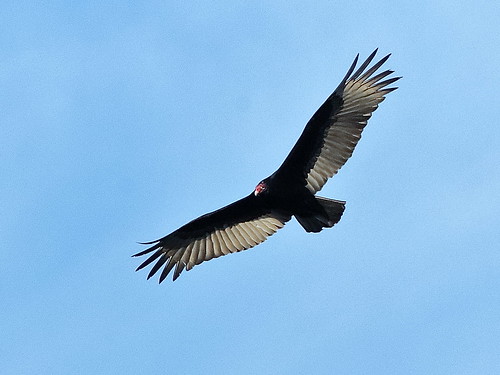
A Turkey Vulture also rode on the rising currents. Its wingspan is about 6 feet, about a foot less than that of the female eagle. Its tail is long but its neck is short. From a distance it may almost appears headless. Its silvery flight feathers contrast with the darker leading edge of the wing:
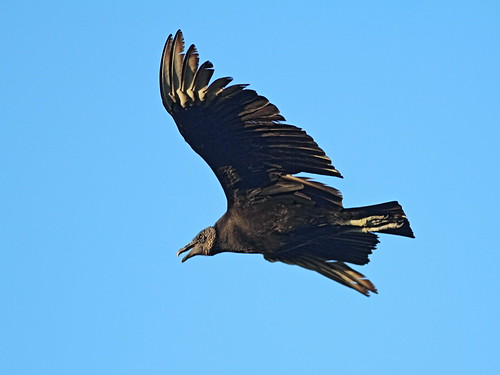
Flocks of Black Vultures were also present. Smaller than Turkey Vultures, they look "front-heavy" with short tails and they extend their necks in flight.

Black Vultures have whitish wingtips and relatively shorter wings (4.5 to 5.5 feet) and must flap often and strongly to gain altitude:
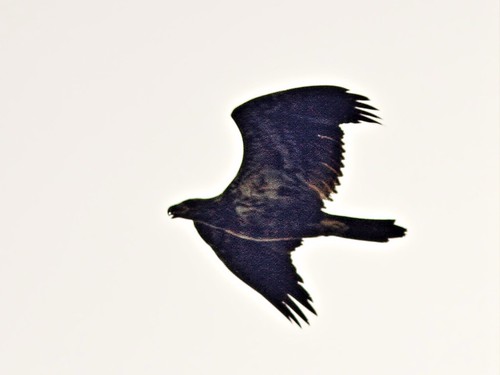
Sometimes an immature Bald Eagle may join a flock of vultures. Turkey Vultures have an exceptionally keen sense of smell. Until the eagle becomes fully competent as a hunter, it will often feed on carrion. A meal of roadkill may be its last, as many are struck by motor vehicles. This is a juvenile (first year) bird, as evidenced by its dark bill and bulging secondary wing feathers. Its head and tail will turn almost completely white when it is about four years old:
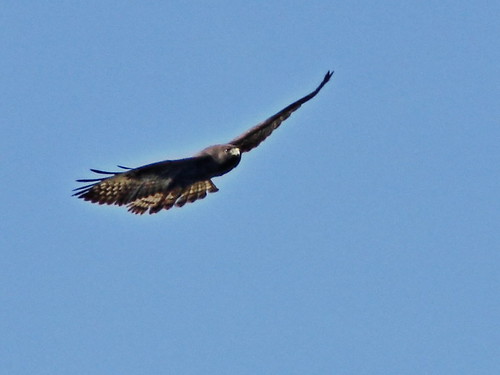
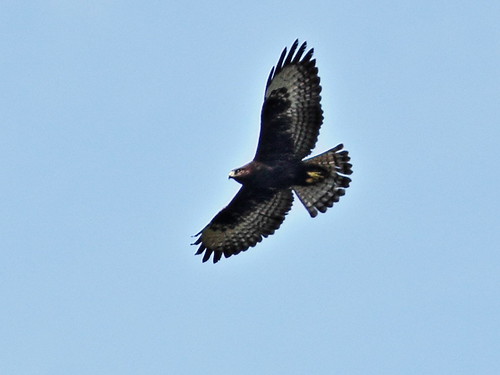
A few times I have identified a Short-tailed Hawk flying with vultures. The association may allow the hawk to escape detection before it drops like a stone to catch an unwary bird:
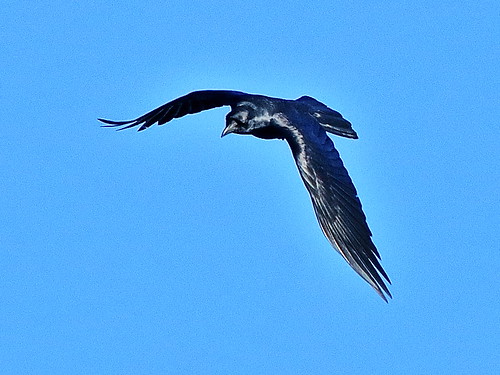
Fish Crows often loaf in the vicinity of the eagle nest, which if left unguarded may provide a meal of leftover prey, or worse, an egg or nestling. They can be distinguished from hawks and vultures by the fact that they almost never soar, beating their wings constantly as if "rowing a boat:"

We have enjoyed deliciously cool and clear mornings out on our local wetlands. Still air sets up beautiful reflections. From our shadowed vantage point on the lakeside marsh, we watch as the sun, rising in a cloudless sky, touches the pine bank on the opposite shore:
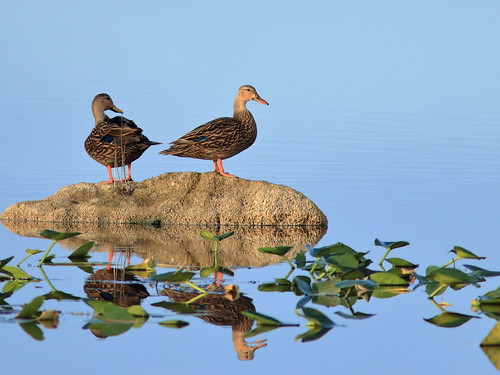
Mottled Ducks bask in full morning light:
= = = = = = = = = = = = = = =
Linking to Misty's CAMERA CRITTERS,
Linking to Eileen's SATURDAY'S CRITTERS,
Linking to SKYWATCH FRIDAY by Yogi, Sylvia and Sandy
Linking to WEEKEND REFLECTIONS by James
Linking to BirdD'Pot by Anni
Linking to Our World Tuesday by Lady Fi
Linking to Wild Bird Wednesday by Stewart
Linking to Wordless Wednesday (on Tuesday) by NC Sue
Linking to ALL SEASONS by Jesh
________________________________________________
Please visit the links to all these memes to see some excellent photos on display
________________________________________________
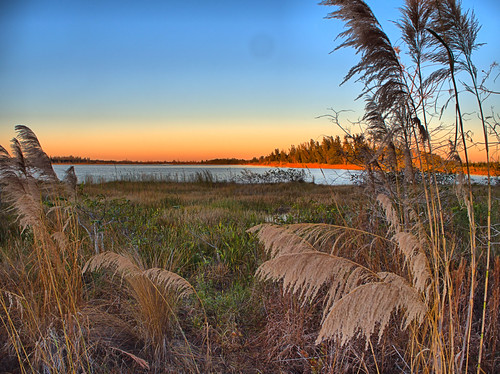
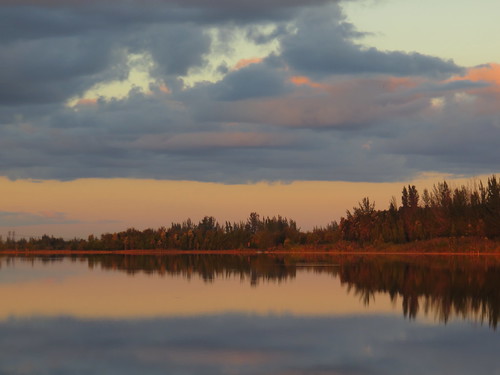
Back home in Florida, we were treated to a very colorful sky about 7 minutes after sunrise on November 23. The sun had just touched the opposite shore. This is straight out of the camera. The image is not cropped or processed:
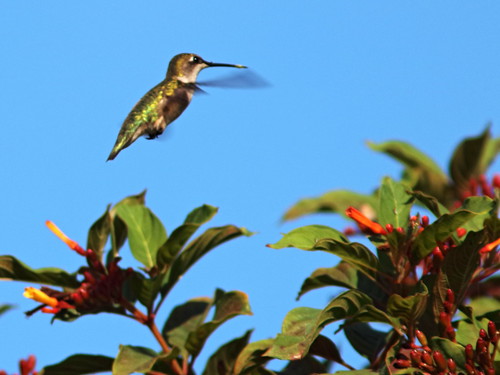
Ruby-throated Hummingbird hovering over Firebush (Hamelia patens):
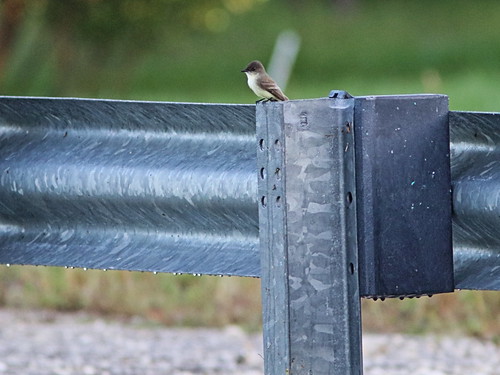
Eastern Phoebe perching on a guard rail:
I enjoy the challenge of photographing LBBs (little brown birds), the smallest of which are the wrens. Seeing them requires patience and often long periods of watchful waiting.
I first sighted a Marsh Wren in Troy Meadows, New Jersey as a teenager back in May of 1949, when I participated in a "Big Day" with the Hackensack Audubon Society. It was then called "Long-billed Marsh Wren" to distinguish it from the diminutive prairie-dwelling "Short-billed Marsh Wren," which since 1982 has been known as the Sedge Wren. I would not see the latter species until November, 1951 when, at Moriches Bay and Inlet in Long Island, I joined a group of birders from Long Island, New York, led energetically by Allan Cruickshank. (He passed away in 1974. Here is his obituary in American Birds).
Group outings can produce large numbers of sightings. For a relatively new birder this can be quite overwhelming. The single day at Troy Meadows and environs yielded 23 new birds species to my life list, and the trip to Long Island added 15 species. I must admit that I do not have indelible memories of either of these wren sightings. Although the trips and places are still relatively fresh in my mind, some of the individual birds seem now to have been lost in the sea of discoveries.
My more recent encounters with these species have been at a more personal level. Finding them took individual effort. With only two eyes to look for them instead of scores, and delightful long looks to enjoy not only their plumage and anatomical features as well as their habits, habitats and vocalizations, the experience is more meaningful and memorable.
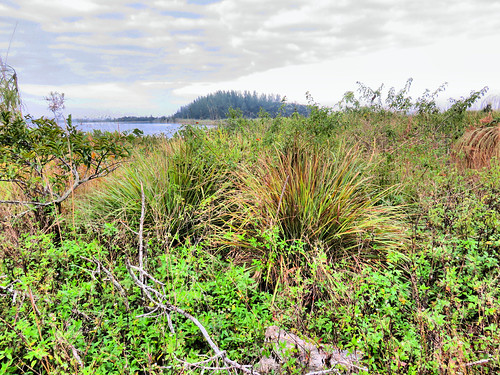
This is my Marsh Wren "sit spot" in our local birding patch. It is conveniently situated near the lake next to a Pond Cypress. A young Pond Apple tree is visible to the left and the "Pine Bank" (a dense stand of Australian Pine) is in the distance across the lake. Two large clumps of Sawgrass are directly in front, and a large area of cattails, just to the right, extends out to the shoreline:
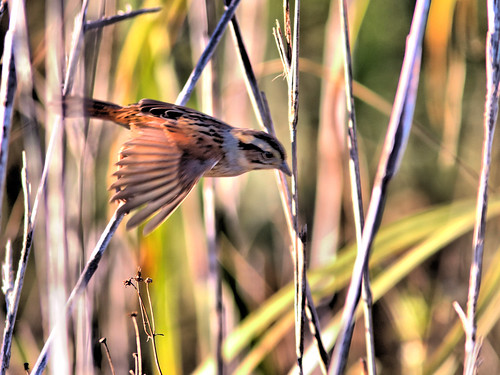
While waiting for the wren, other wetland-associated birds may pop up, such as this Swamp Sparrow:
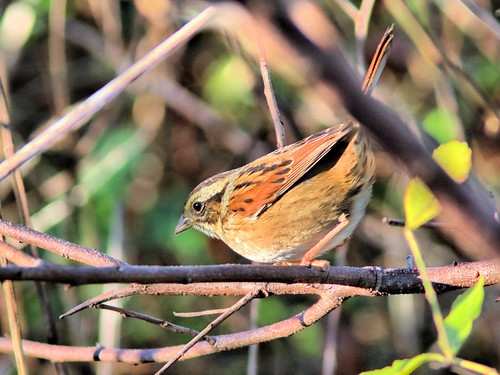
It climbs a reed to get a better look at me..
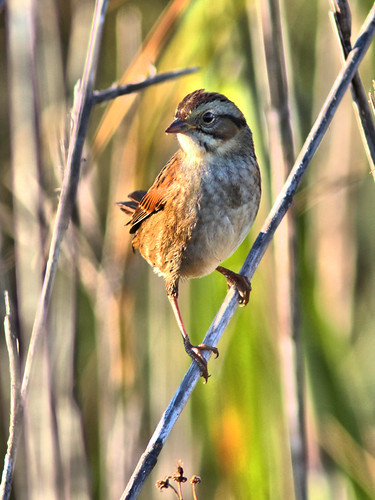
...and quickly exits:
In Illinois, I often caught snippets of the Marsh Wren's song or saw one weave in and out of the cattails in the distance. After taking up bird photography about 8 years ago I set a goal of capturing an image of every bird species I saw.
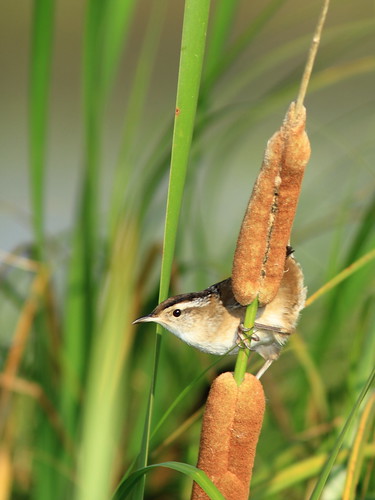
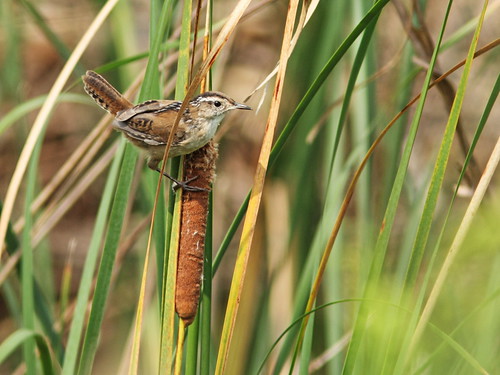
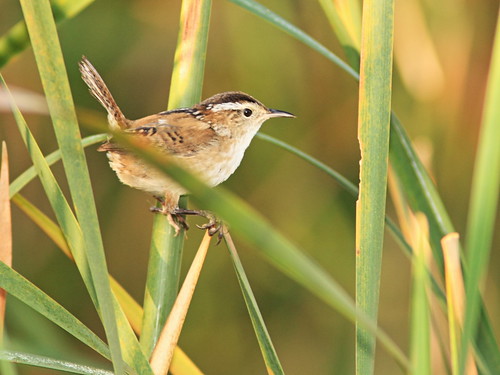
My first close encounter with a Marsh Wren with camera at the ready occurred in September, 2014 in a cattail marsh in Geneva, Illinois. My photos aptly illustrate the connection between this species and its preferred habitat:
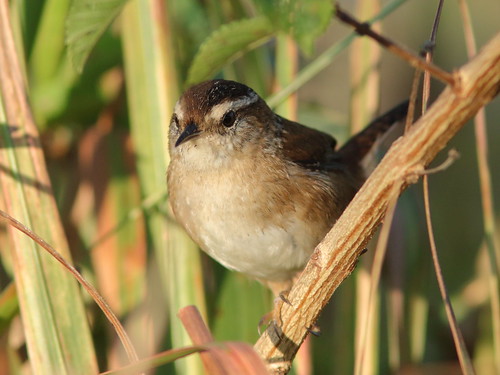
This week I added the 169th species to the bird list for my neighborhood birding patch. Of these I have seen 162, and a few of the species reported by other observers are a bit suspect. This is the first photo of my local Marsh Wren (November 18, 2016):
I obtained better views the next day:
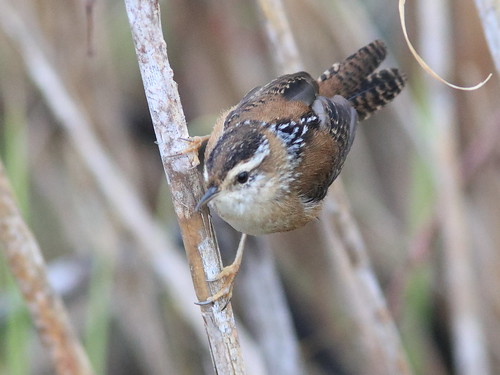
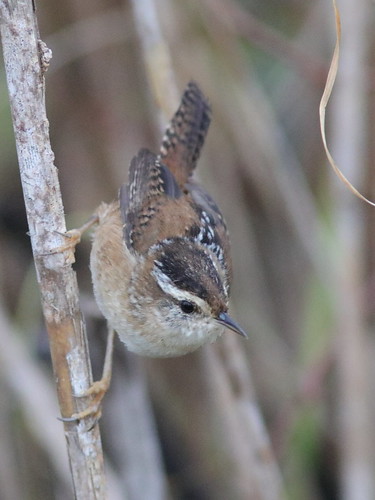
The Sedge Wren (11 cm long) is a half inch shorter than the Marsh Wren, which is 5 inches (13 cm) long. While I have seen a wintering Sedge Wren in Florida, it is a fairly common breeder near our second home in Illinois. It is usually found on dry ground such as a prairie, often next to or within sight of water.
Very elusive, this little creature will not sit still for a photo. Here are a few of my favorite Sedge Wren portraits, all from Nelson Lake in Kane County, Illinois:
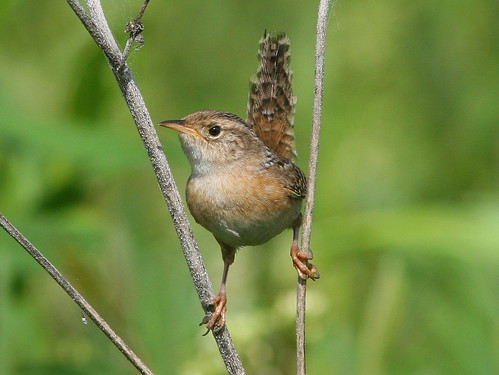
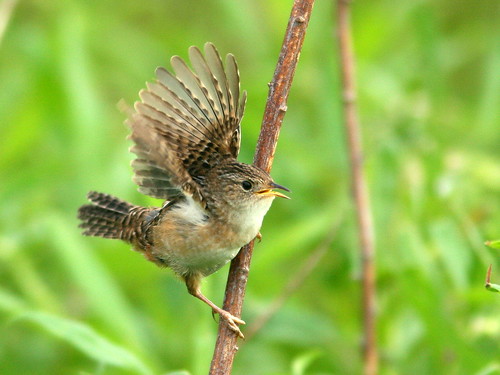
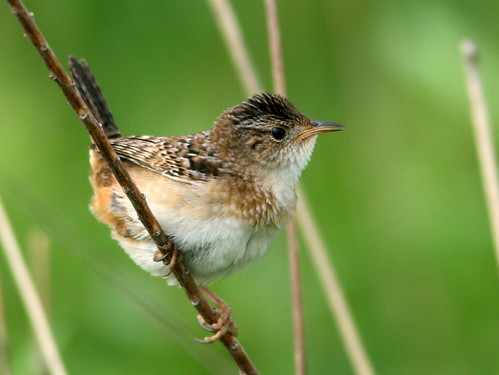
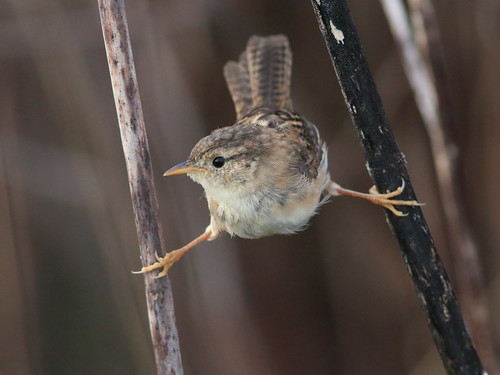
My latest image is a favorite as it best illustrates the wren's imitation of an Olympic parallel bar gymnast (Oct 18, 2016):
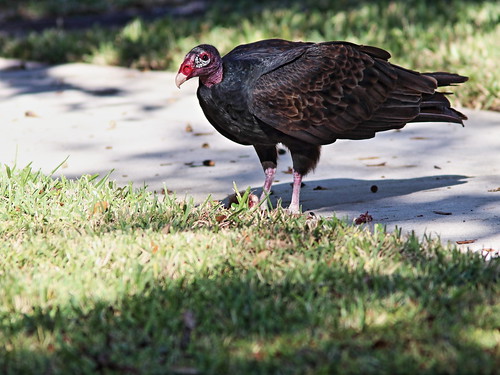
Happy Thanksgiving, everyone in the USA (and belated good wishes to our Canadian friends). I do not have a good turkey photo, but this week a Turkey Vulture obliged me by finding a dead squirrel on the sidewalk in front of our next door neighbor's home. I guess this bird was named because of its strong (?) resemblance to the real thing. (Click on the photo to navigate to some more rather explicit images of his feast):
As much as I enjoy a leisurely mug of coffee while I catch up on the morning news and correspondence, I also like to photograph birds in soft early light. The switch to Daylight Savings Time has made it easier for us to get out at dawn.
As the first day of spring approached, sunrise happened earlier and earlier, from 7:30 AM back in October to as early as 6:33 AM on March 12, the day before Daylight Savings Time "delayed" the Sun's arrival until 7:32 AM. Relentlessly, the sunrise will continue to creep up earlier until the first week of June, when it will occur at 6:29 AM despite the time change.
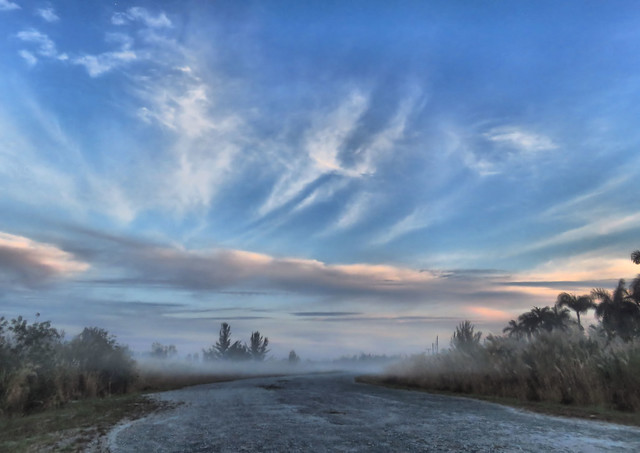
Earlier in March, we encountered fog as we walked along the gravel road into the wetlands. The sun was trying to break through:
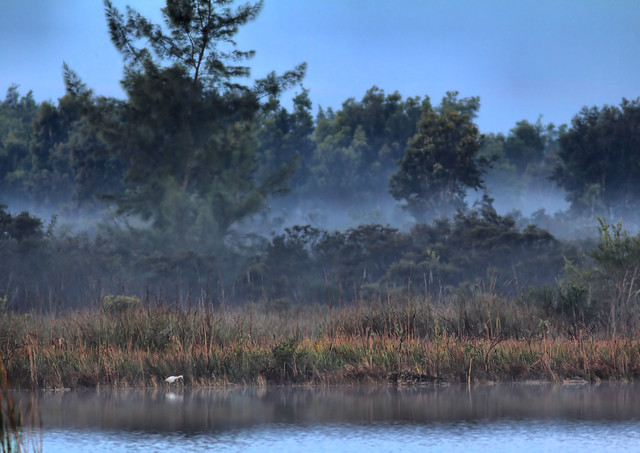
On the wetlands, the posture and habits of this Little Blue Heron made it identifiable from a distance as it fished on the opposite shore:
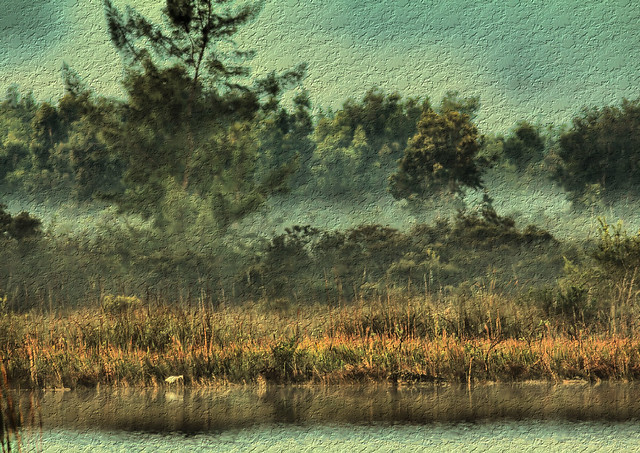
I processed the above photo as an antique oil painting because I liked the way the fog gave depth to the colors and tones:
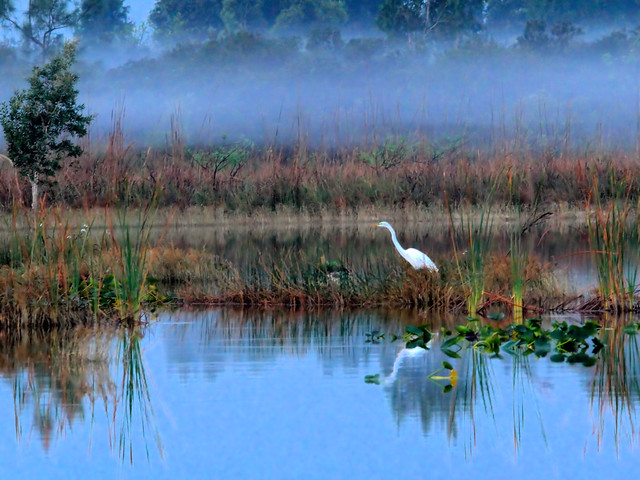
The day after the time change and before sunrise, a Great Egret posed nicely against the same background-- a bit nearer, but under similar atmospheric conditions:
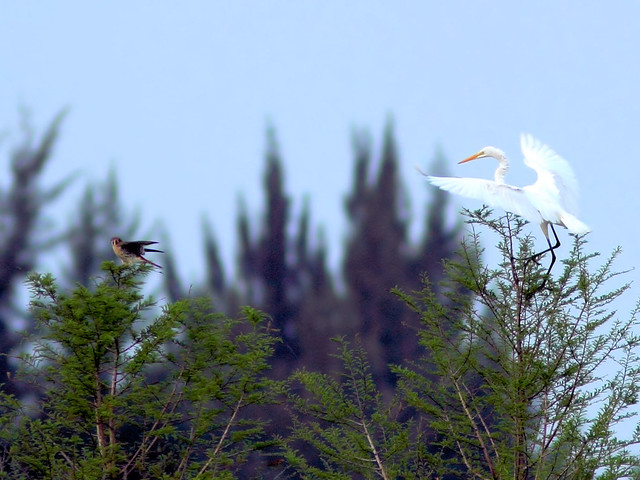
Later that morning, in subdued light, a Great Egret flew in to roost on a Pond Cypress:
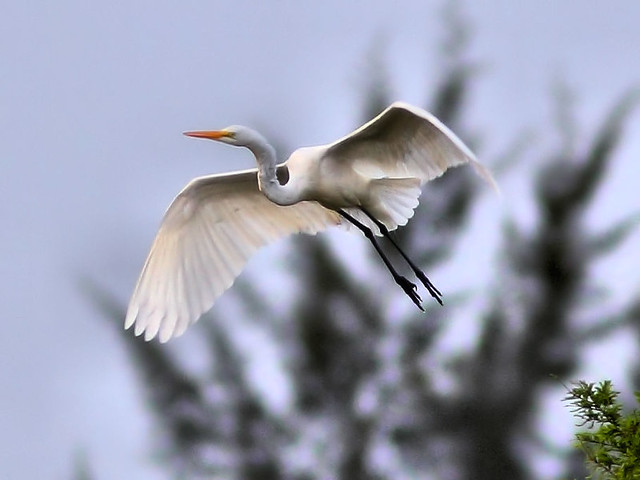
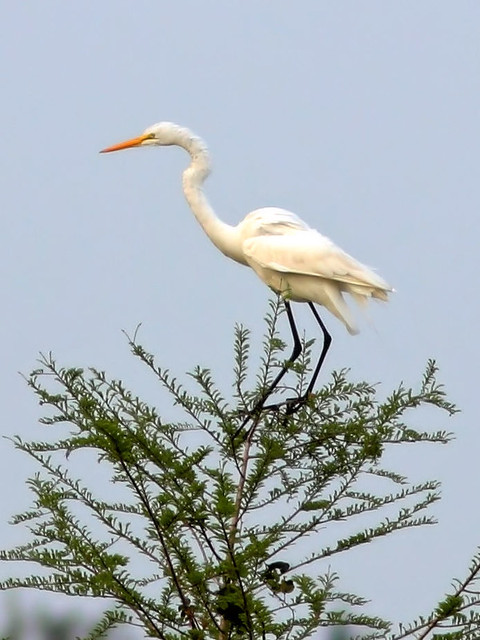
A second egret wanted to share the roost...

...but the occupant did not seem pleased:
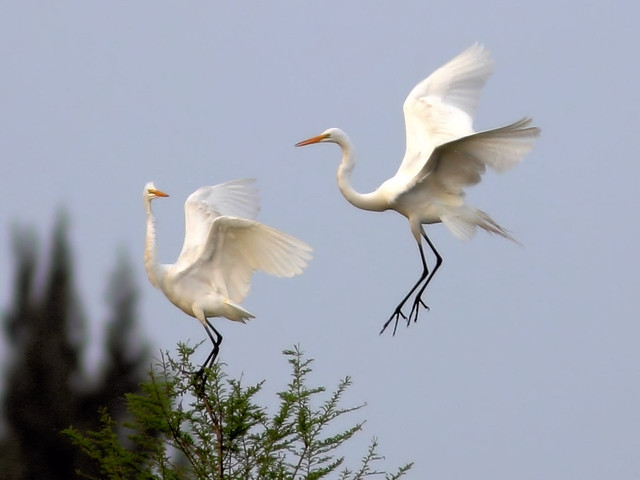
The intruder moved on...
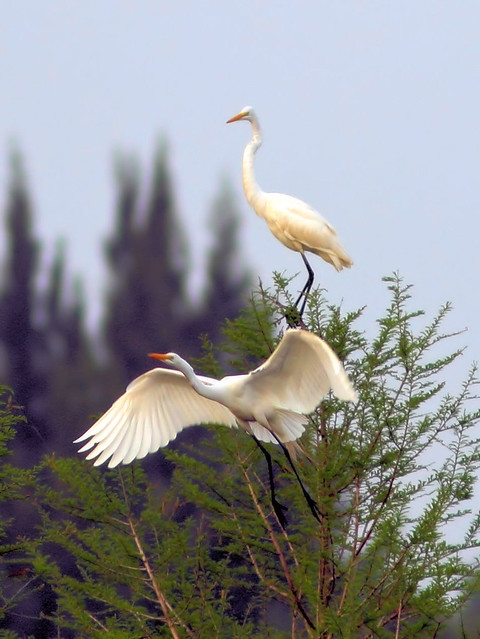
...and took a place next to an American Kestrel (Disclaimer-- I did not see the kestrel when I took this photo!):
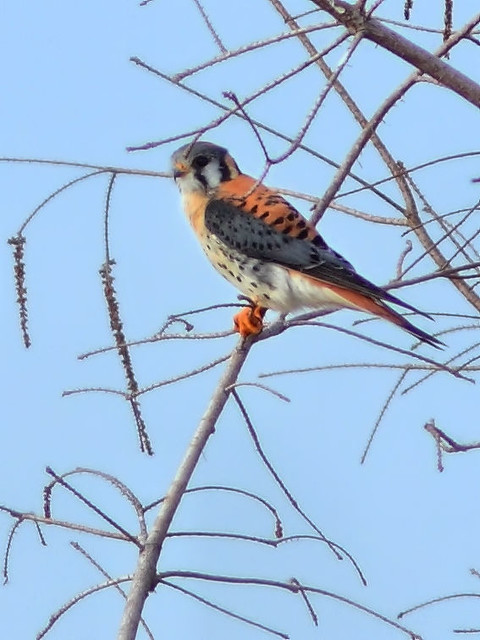
The kestrel, probably the same one, did pose nearby in full view:
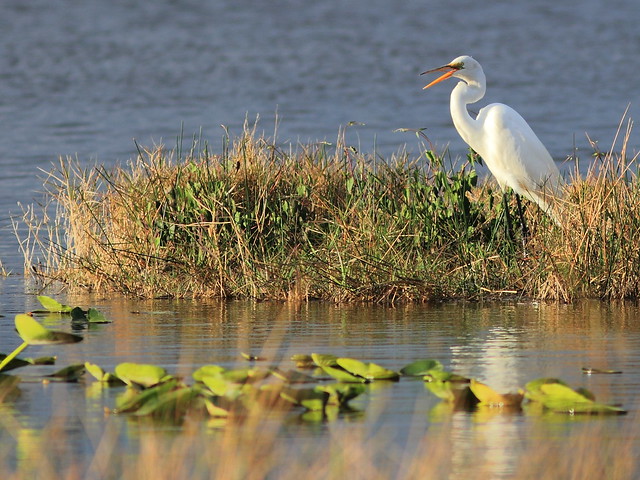
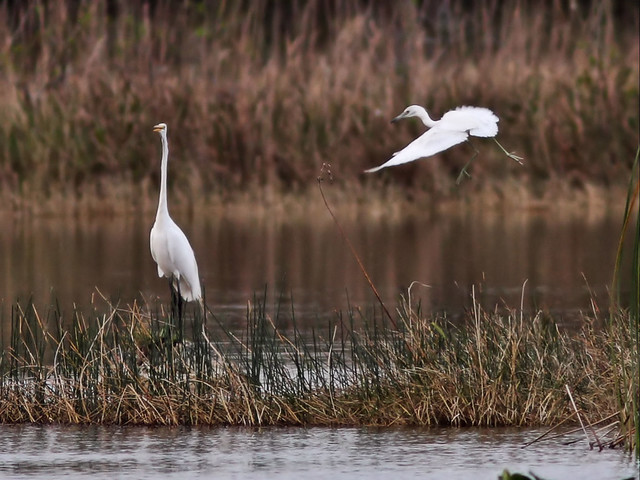
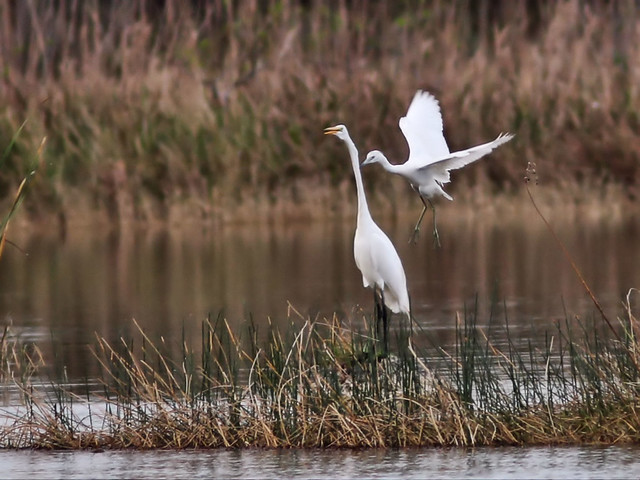
Now back-lighted in full sunlight, a Great Egret protested the presence of another white wader...
...an immature Little Blue Heron:
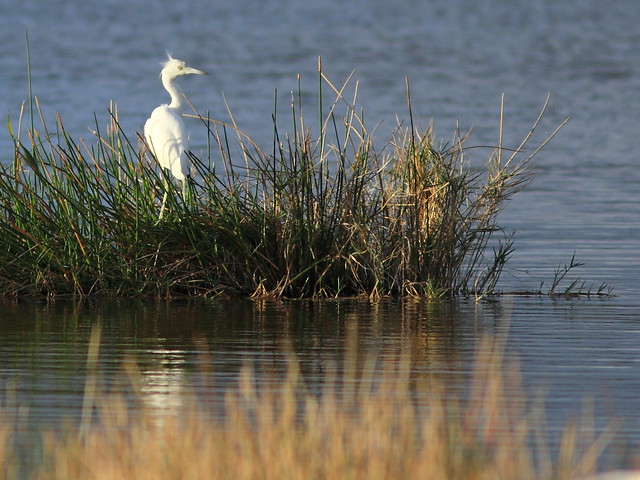
The two took their disagreement to another spot on the lake. The smaller heron twice "buzzed" the agitator:
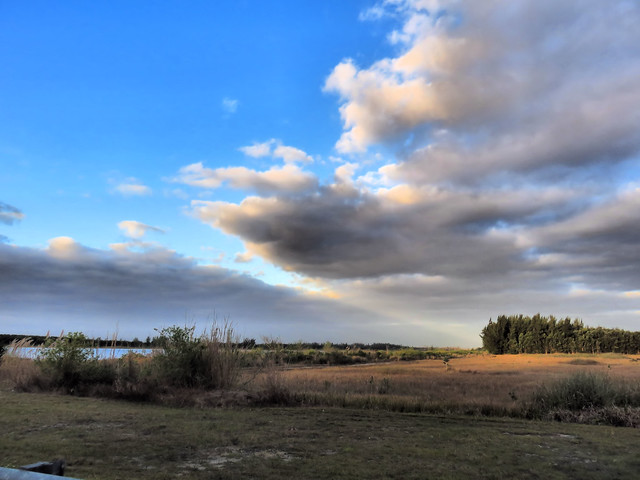
The sun touched the wet prairie:
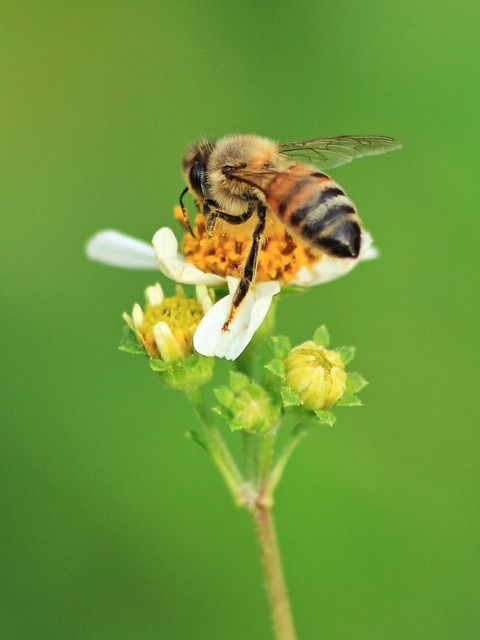
Under fair skies, butterflies and bees went about their chores, sipping nectar...
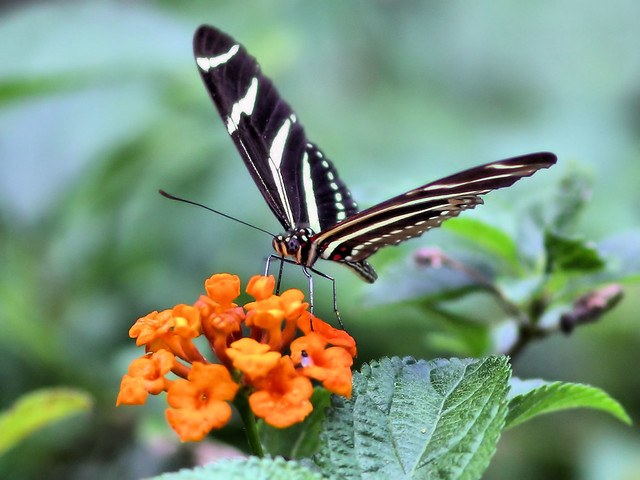
...and harvesting pollen:
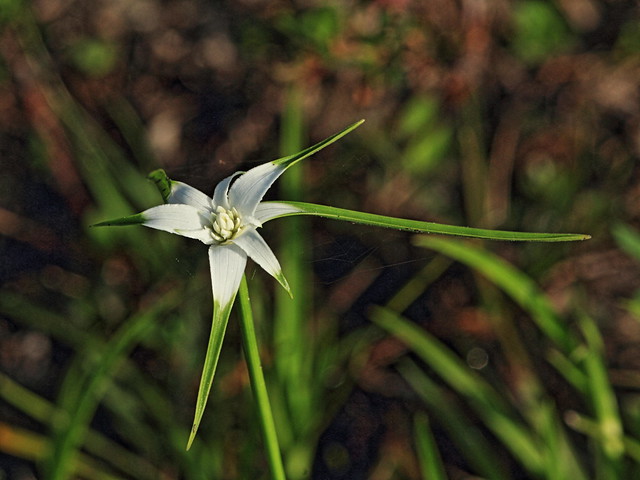
Star Rush popped up in wet places:
Two Turkey Vultures watched me from the guard rail...
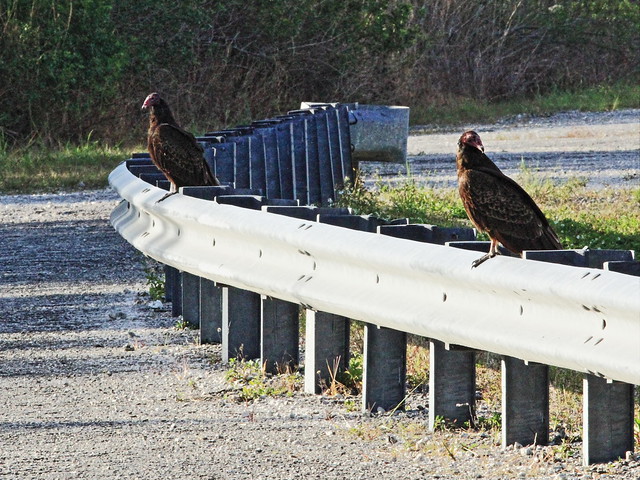
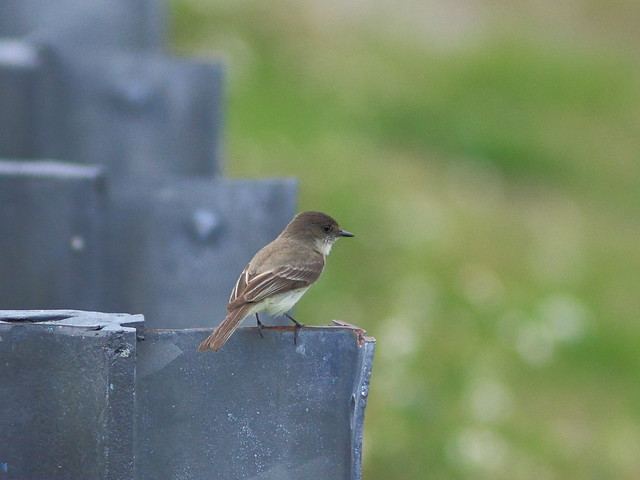
...dwarfing an Eastern Phoebe, a little bird on a big fence!:

A closer look at the little guy:
= = = = = = = = = = = = = = =
Linking to Misty's CAMERA CRITTERS,
Linking to Eileen's SATURDAY'S CRITTERS,
Linking to GOOD FENCES by Tex (Theresa).
Linking to SKYWATCH FRIDAY by Yogi, Sylvia and Sandy
Linking to WEEKEND REFLECTIONS by James
Linking to BirdD'Pot by Anni
Linking to Wild Bird Wednesday by Stewart
________________________________________________
Please visit the links to all these memes to see some excellent photos on display
________________________________________________