Actually, working a "patch" might seem boring, yet I have recorded ("officially" per eBird) 171 bird species here since I started regularly posting trip reports in October, 2009. All but a handful were also photographed on-site. A number of species were seen rarely or sometimes only once.
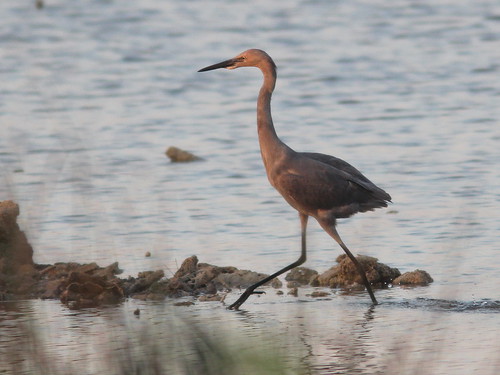
An immature Reddish Egret appeared in the spring of 2011 and remained for only two weeks. This species prefers brackish estuaries and rarely wanders inland:
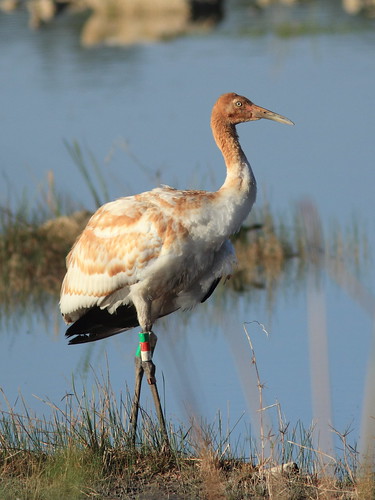
Another "one-off" species was actually represented by two captive-reared juvenile Whooping Cranes from Wisconsin which overshot their normal wintering grounds in northern Florida:
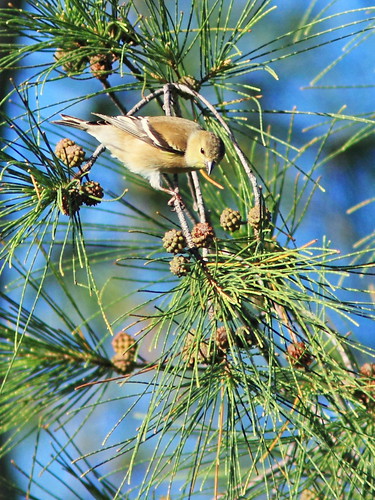
A flock of 15 American Goldfinches, a species which winters in south Florida irregularly, arrived once on December 9, 2015 and departed the same day:
To date I have submitted a total of 1,307 eBird checklists, of which 860 have been from my local patch, a hotspot officially known as the West Miramar Water Conservation Area (WCA). My eBird West Miramar WCA Life List
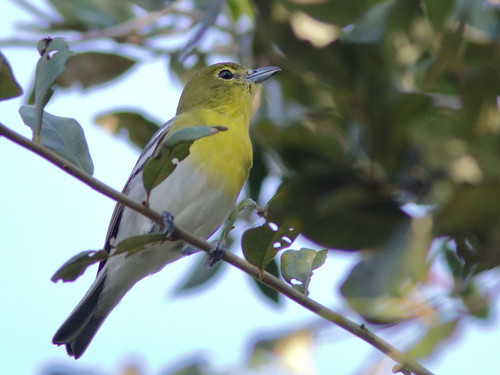
New additions to the list have decreased over time. I had seen a total of 80 species by the end of 2010, added 27 more in 2011, 13 in 2012, 14 in 2013. 8 in 2014, 15 in 2015, 6 in 2016, 3 in 2017, and only four species (Gray Kingbird, Royal Tern, Chipping Sparrow and Yellow-throated Vireo) this year to date. ADDENDUM (December 13) Only an hour after posting this I added a fifth new species at 6:30 AM, when we heard an Eastern Whip-poor-will calling just as we started our walk!
Am I succumbing to the Law of Diminishing Returns? Is the "gain not worth the pain?" Time to quit and stop wasting energy?
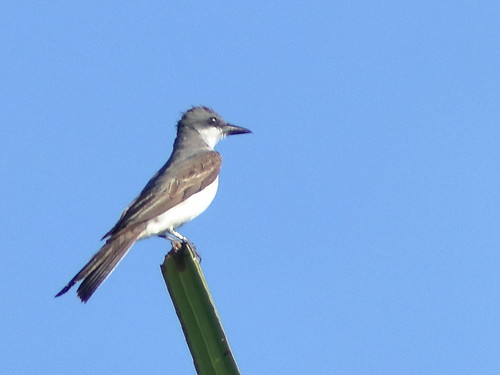
Gray Kingbird (August 23, 2018):
Yellow-throated Vireo (November 23, 2018):
If my walks were only about counting birds I might certainly get bored. More importantly, they are a time to observe and enjoy the beauty and mystery of nature.
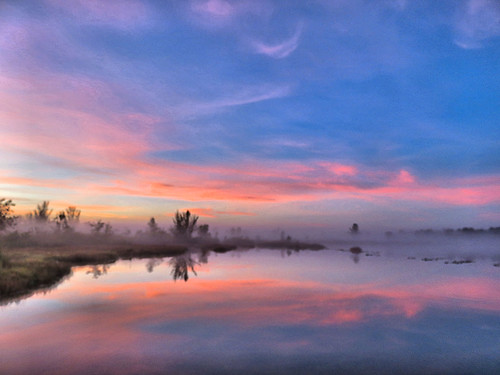
No two sunrises are alike... Pink clouds and fog on November 25, 2018:
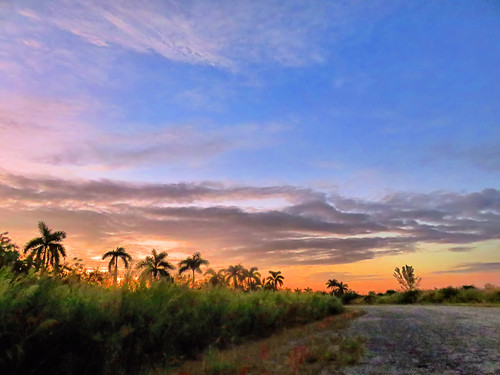
An unsettled sky a half hour before sunrise on December 5, 2018:
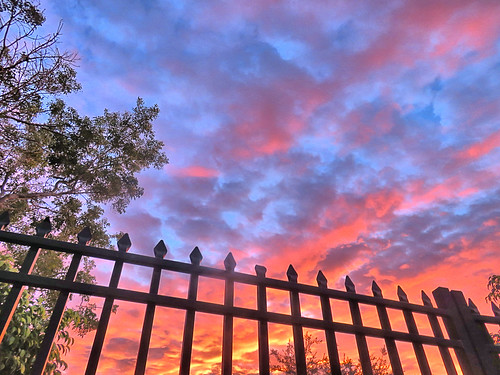
Sun rising behind the east gate to our patch (November 29, 2018):
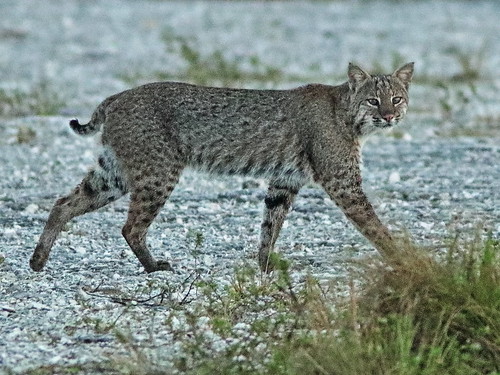
Behaviors are interesting and sometimes unexpected. There is the thrill of the sudden appearance of a Bobcat, deer or even a Coyote...
Male Bobcat on November 19, 2018:
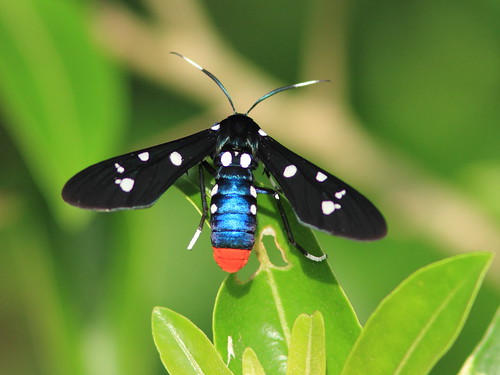
...and of finding beauty in the commonplace and the smallest of things.
Who would have known that there is a moth which resembles a wasp? Polka-Dot Wasp Moth-Syntomeida epilais:
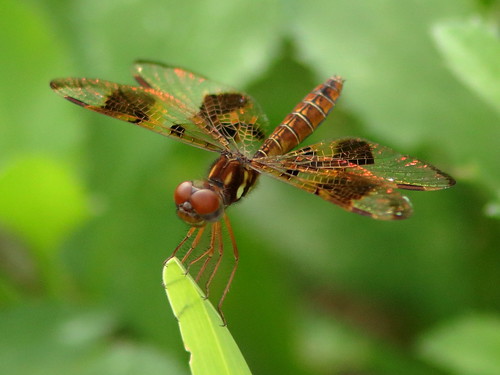
The smallest of our dragonflies also imitates a wasp, waving its wings slowly in a very menacing manner. Eastern Amberwing - Perithemis tenera:
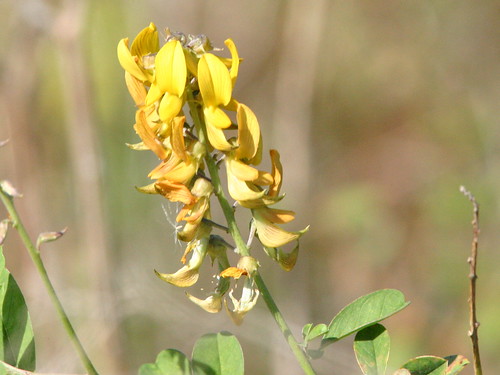
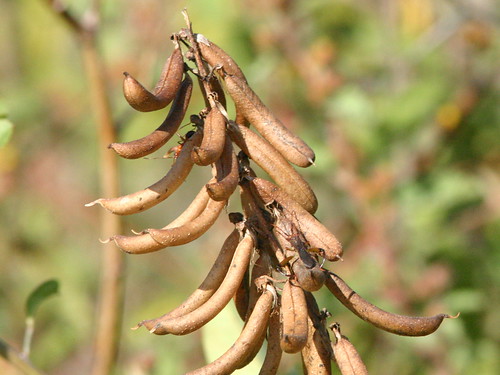
I bumped into a wild pea plant with seed pods which rattled with a sound like pebbles rolling in a paper cup. I learned that is is quite poisonous. Flowers and fruit of Smooth Rattlebox, Crotalaria pallida:
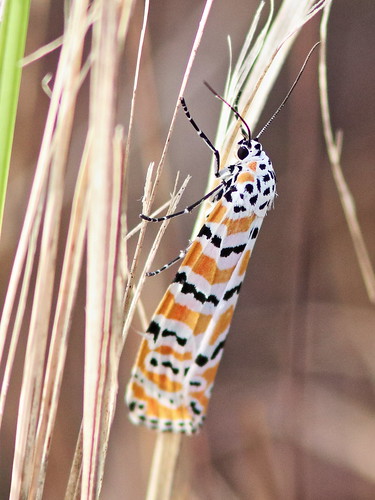
Later I found an unusually beautiful red patterned moth which requires that same plant to host its larvae, which themselves are protected by the noxious substances they ingest. Bella or Rattlebox Tiger Moth -Utetheisa bella:
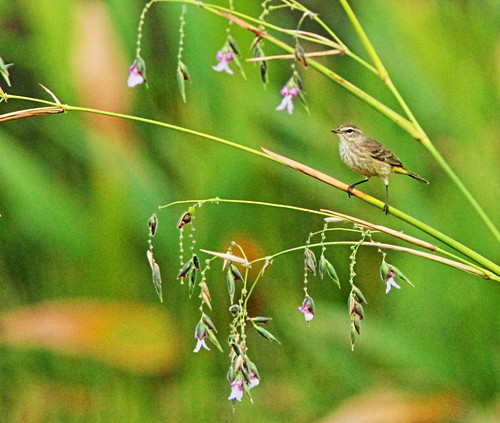
I admire the delicate beauty of the flowers of the Bent Alligator Flag, a plant related to members of the Arrowroot family: bananas, cannas and the Bird of Paradise. Their zig-zag stems reach up as high as 8 feet.
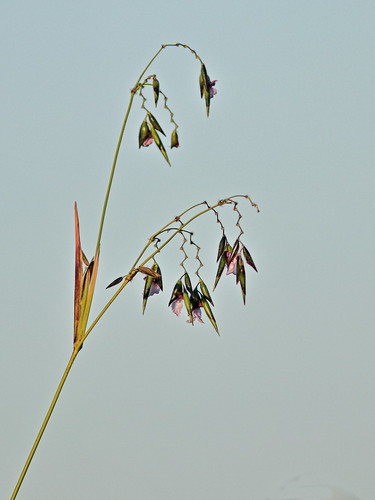
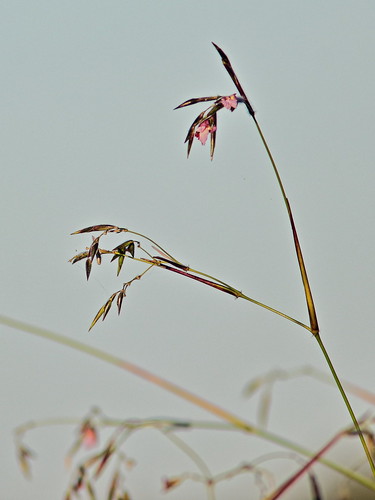
Tiny insects are lured to their blossoms and are momentarily trapped and dabbed with pollen before being released so they may cross-fertilize other flowers.
The insects attract Palm Warblers:
Purple Gallinules eat the flowers and seeds:

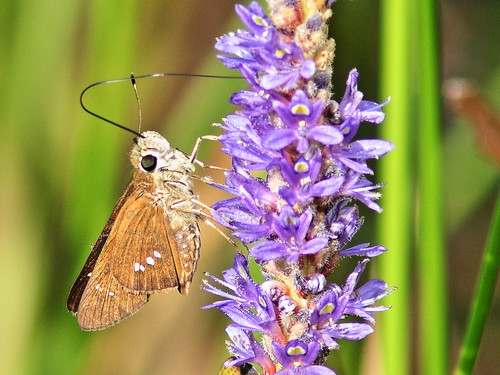
I learned that this plant serves as host to a particular butterfly species, the Brazilian Skipper, whose leaf-rolling caterpillars also inflict great damage to cultivated cannas and other members of the Arrowroot family:
= = = = = = = = = = = = = = =
Linking to Misty's CAMERA CRITTERS,
Linking to Eileen's SATURDAY'S CRITTERS,
Linking to SKYWATCH FRIDAY by Yogi, Sylvia and Sandy
Linking to WEEKEND REFLECTIONS by James
Linking to BirdD'Pot by Anni
Linking to Our World Tuesday by Lady Fi
Linking to Wild Bird Wednesday by Stewart
Linking to Wordless Wednesday (on Tuesday) by NC Sue
Linking to ALL SEASONS by Jesh
Linking to Fences Around the World by Gosia
________________________________________________
Please visit the links to all these memes to see some excellent photos on display
________________________________________________