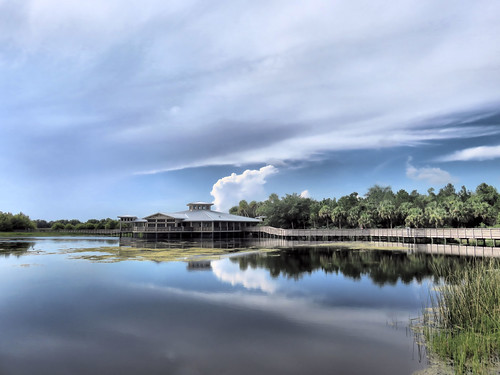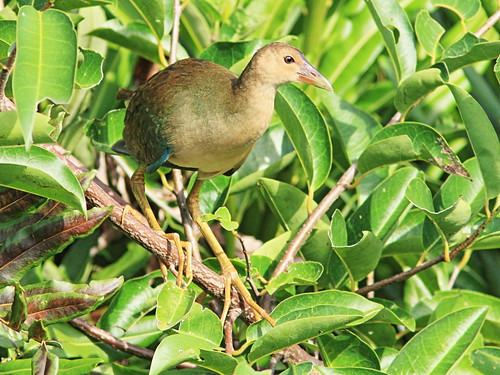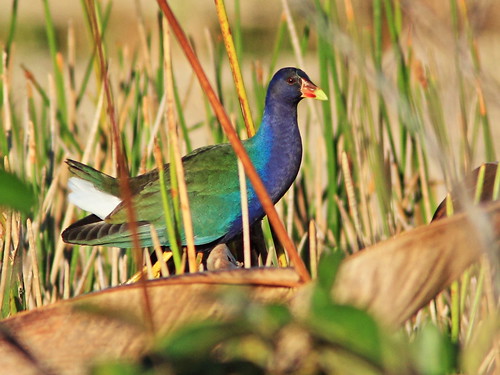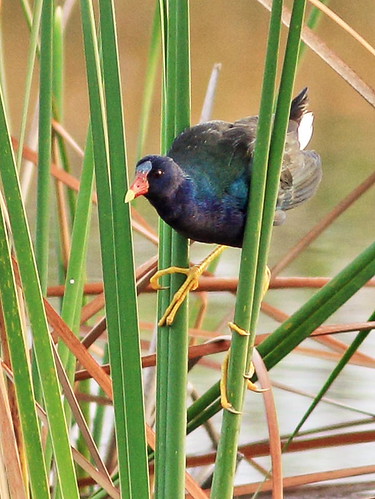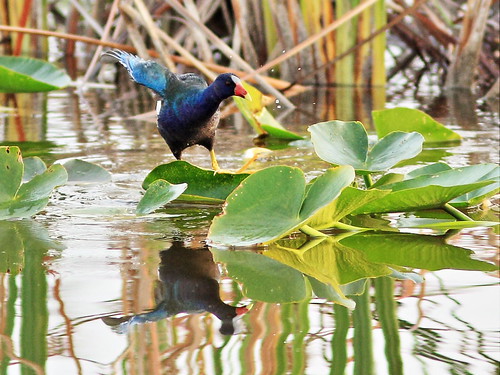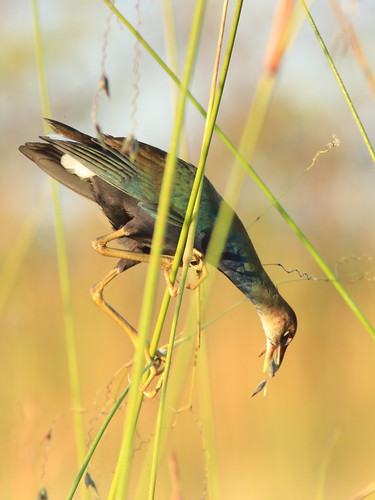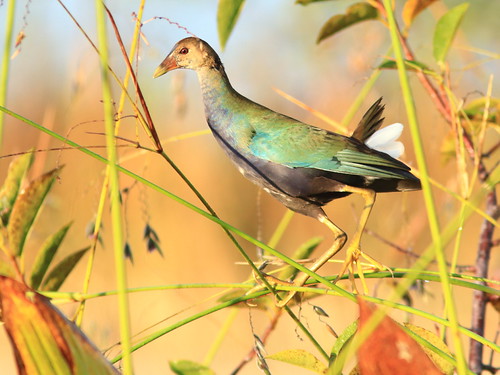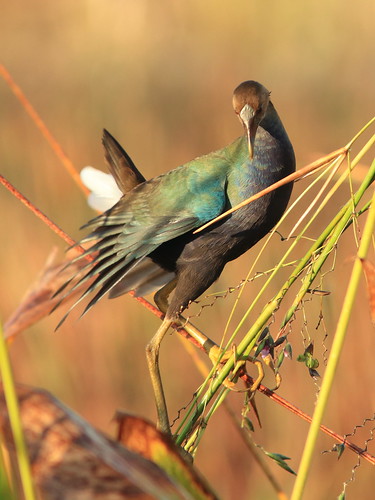
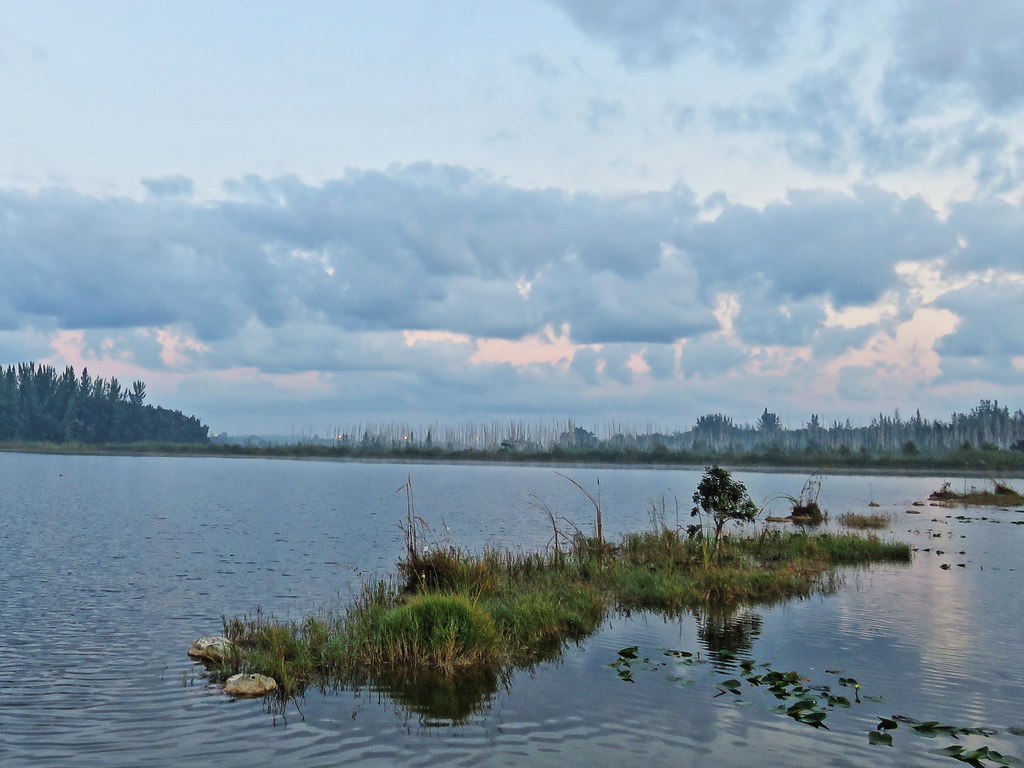
A murky morning on the local wetlands:
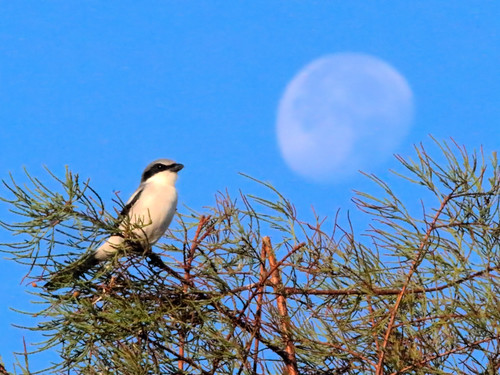
Around the world there are thirty shrike species, but the Loggerhead Shrike is the only whose range is limited to North America.
The population of this species has declined dramatically since the mid-Twentieth Century, believed to be attributable to human alteration of habitat such as elimination of fence rows in its favored open pastures and their replacement by cropland. Other factors may include the effects of pesticides, strip mining and expanded dense urbanization. It is listed as threatened or endangered in several Midwestern States.
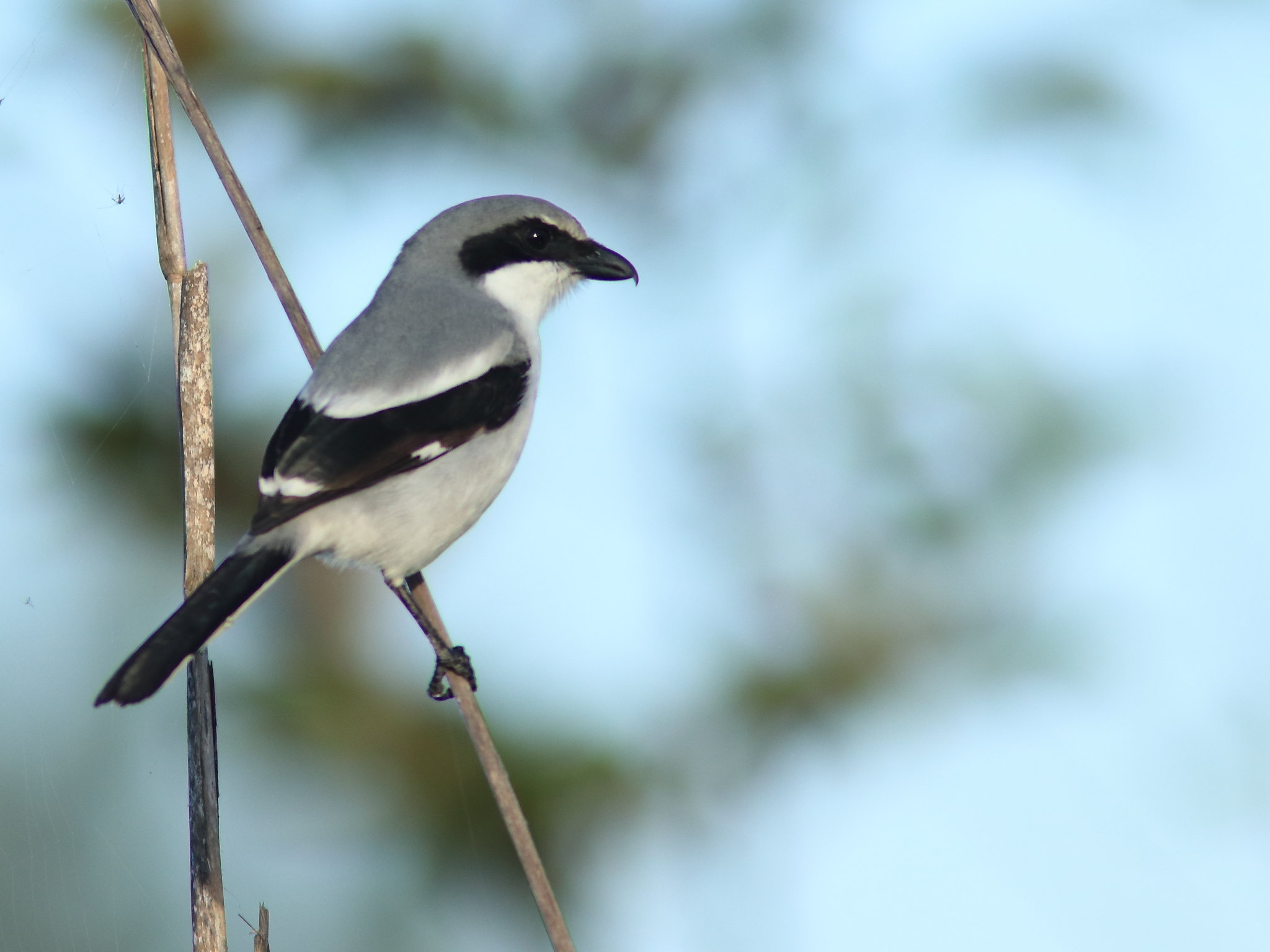
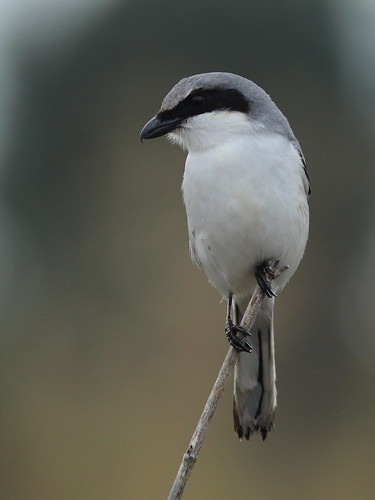
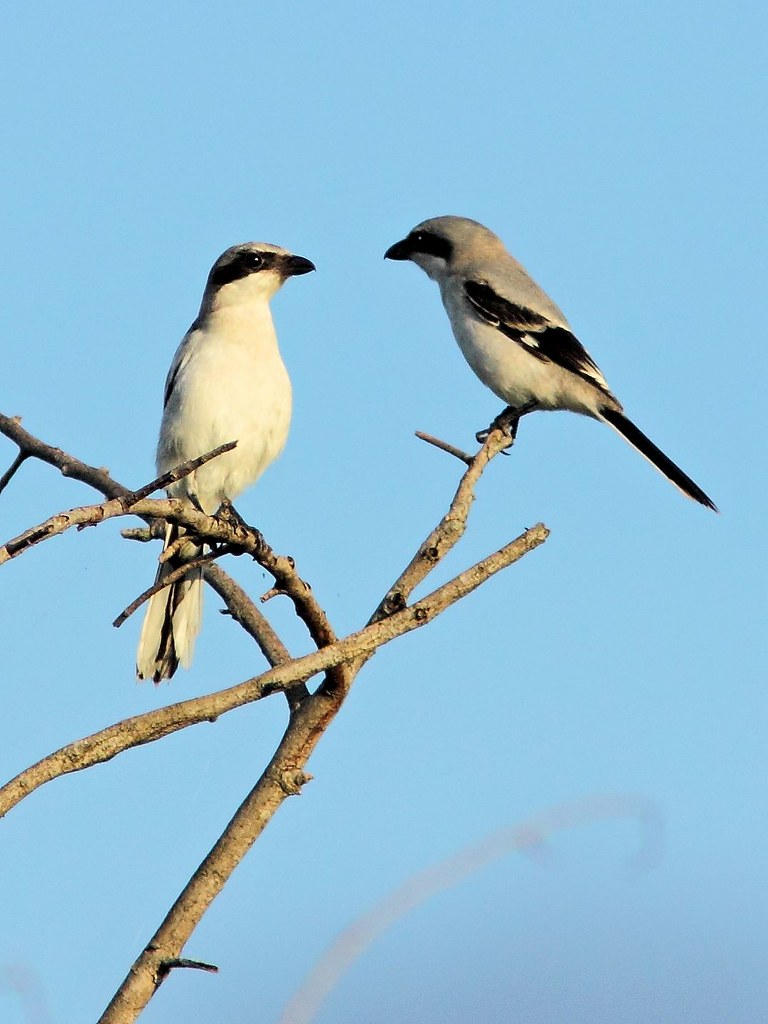
The hooked beak and striking plumage pattern of the Loggerhead Shrike make the little bird look fierce indeed.
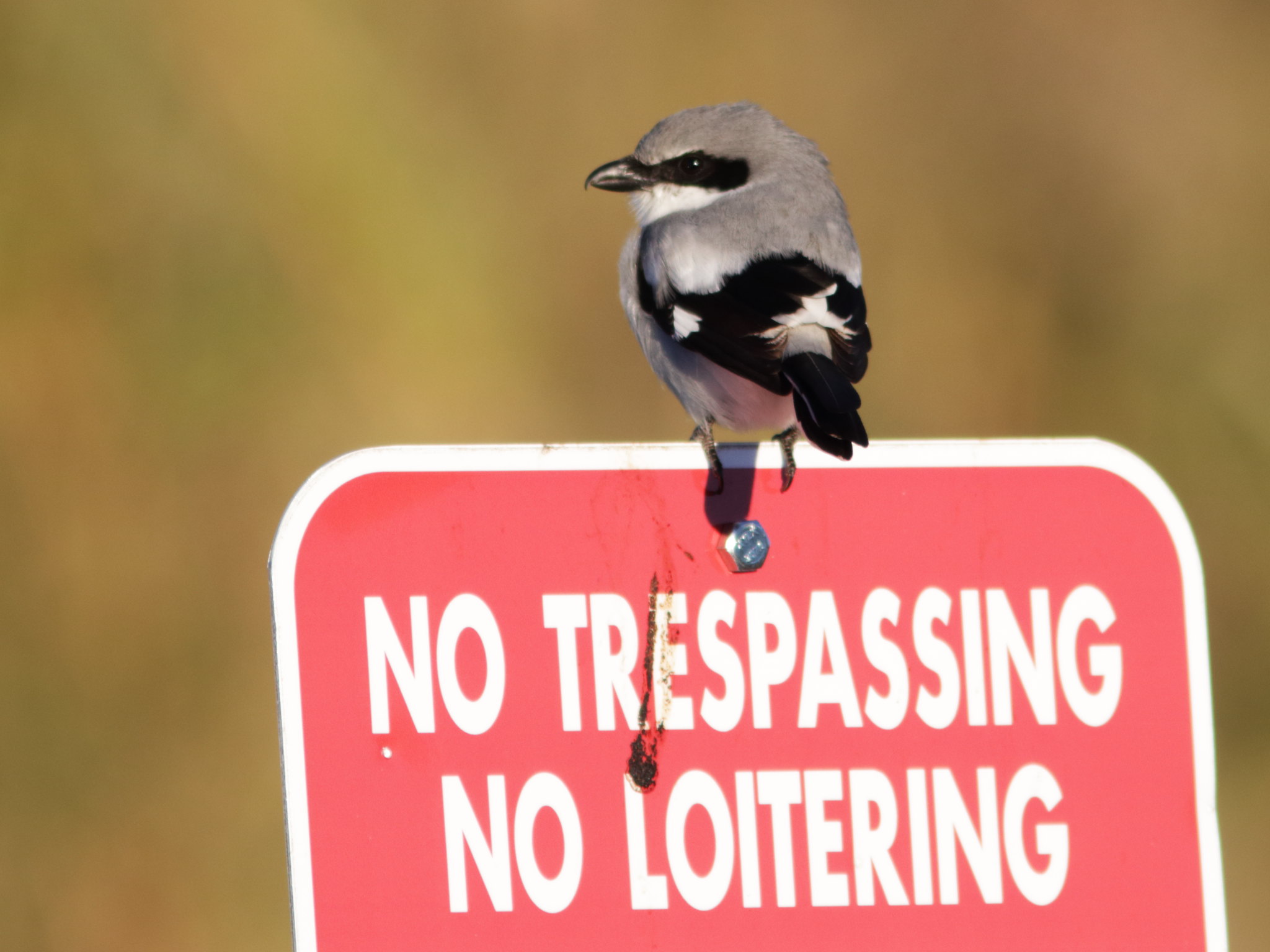
When I was about 10 or 11 years old (before I started my Birding Life List at the age of 13), while walking in the river bottoms near my home in New Jersey, I came across a barbed wire fence which had a mouse and several grasshoppers impaled on the spikes. I already knew from my reading that this is a practice of shrikes. It allows them to secure and tear prey despite their lack of talons. I returned to look for the shrike and finally saw it.
Here in south Florida, as in the southern half of the contiguous 48 States, it is found all year around. It also breeds up through the western central US into Canada, but migrates south in winter.
A courting pair:
I usually see one or a few on my daily morning walks, and they often forage in our suburban neighborhood.
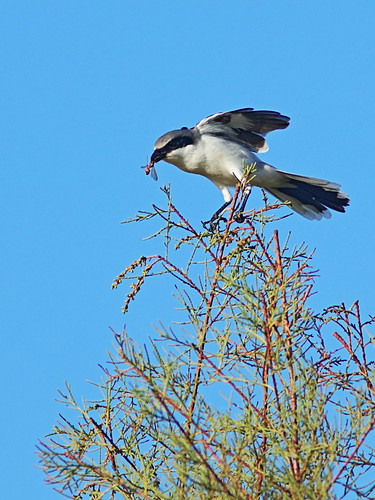
A few times over the years a shrike would fly down and pick up a prey item near where I was standing. The large grub in the second photo below is probably the larva of a Horsefly:
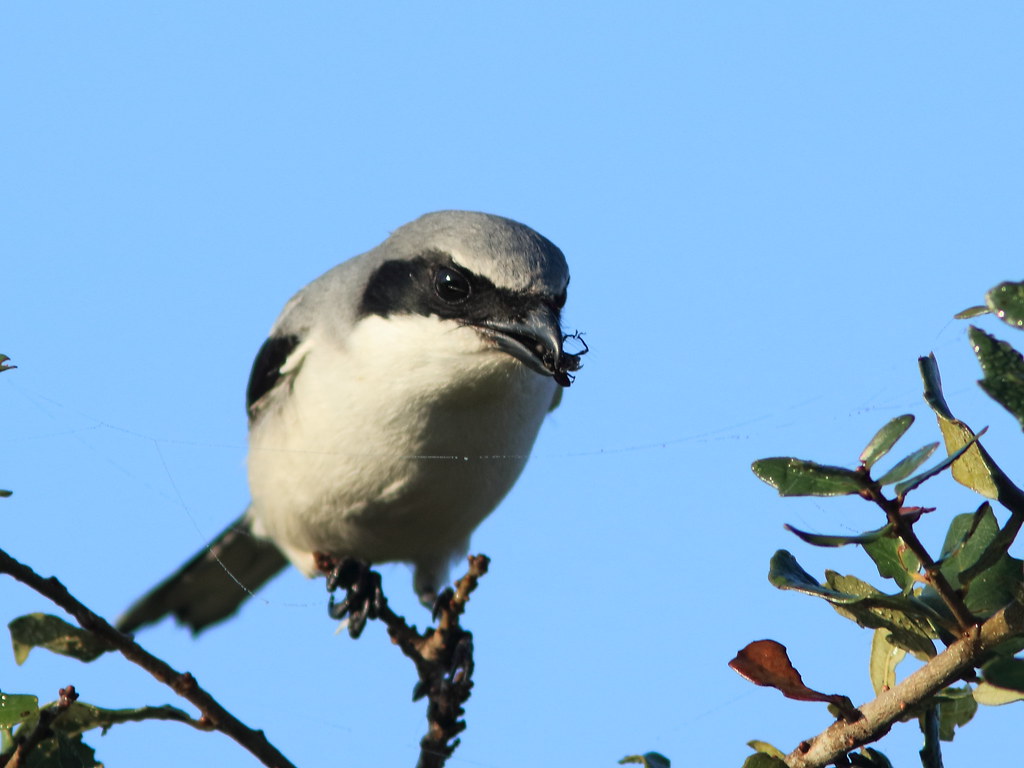
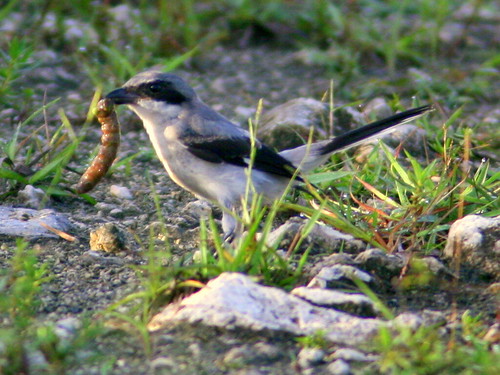
I thought this to be a random occurrence until one day while walking along the path I noticed that, after it plucked an insect near me, it continued to follow me along, flying from one perch to the next. Once again, it flew down behind me and seized an elongated prey item. I was not sure whether it was an insect or a small lizard or snake.
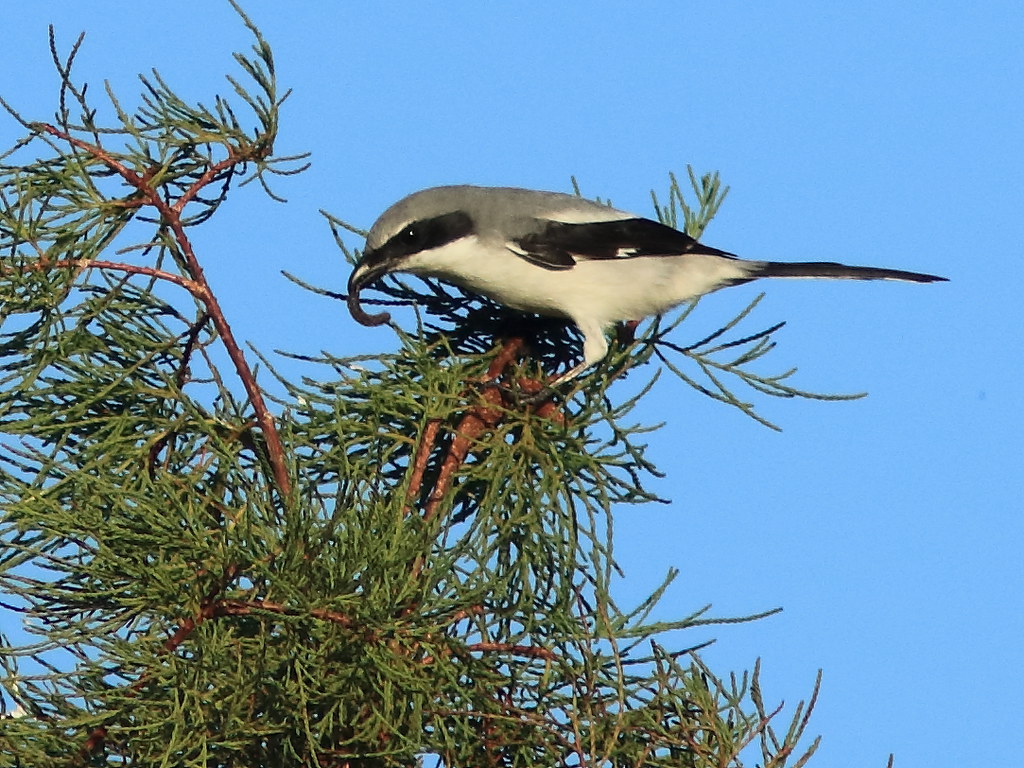
The shrike likely learned that my walking along the path often frightened some grasshopper or other creature out into the open. When I lived in Dallas the mockingbirds often followed me as I mowed the lawn, surely for the same reason. Similarly, gulls follow boats, and inland, the plow.
I watched for this behavior and it was repeated by the shrikes on other occasions. The shrike sometimes moved along behind me for several yards but I did not see it fly down. Once a shrike picked up a butterfly which flew up from my feet and landed several yards away. It was a Gulf Fritillary, and I photographed it. Just as I lowered the camera the shrike snatched it and flew into a nearby bush. A missed photo-op!
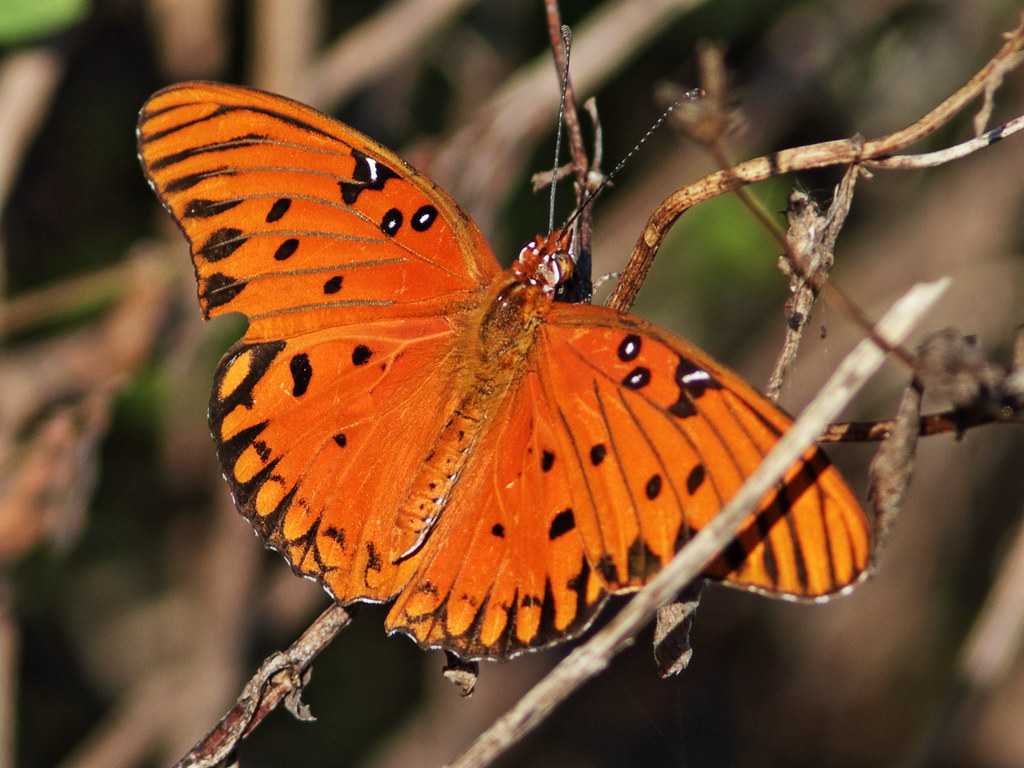
It seemed to take a bite and then immediately dropped the butterfly. It must have tasted horrible, as it shook its head and cleaned its bill.
This observation led me to research the dietary habits of Loggerhead Shrikes and discover that they may impale prey which contain toxins, such as the Monarch butterfly, leaving them for 3 or more days and then "...consuming them afterward, presumably after poisons have degraded... In addition, regularly impales lubber grasshoppers (Romalea guttata) in peninsular Florida for 1–2 days, and then feeds on head and abdomen, discarding thorax which contains poison glands" REF: Birds of North America, Cornell Laboratory of Ornithology [Subscription required].
It is not clear whether this behavior is innate or learned from unpleasant experiences such as the episode which I witnessed. Indeed, larvae of the Gulf Fritillary accumulate toxins from host plants such as passion vine or manufacture them in their own bodies. Adult butterflies also release noxious chemicals from glands in their abdomen when disturbed, to deter predators such as birds. REF: Beautiful but stinky: Gulf Fritillary
= = = = = = = = = = = = = = =
Linking to Misty's CAMERA CRITTERS,
Linking to Eileen's SATURDAY'S CRITTERS,
Linking to SKYWATCH FRIDAY by Yogi, Sylvia and Sandy
Linking to WEEKEND REFLECTIONS by James
Linking to BirdD'Pot by Anni
Linking to Our World Tuesday by Lady Fi
Linking to Wild Bird Wednesday by Stewart
Linking to Wordless Wednesday (on Tuesday) by NC Sue
Linking to ALL SEASONS by Jesh
________________________________________________
Please visit the links to all these memes to see some excellent photos on display
________________________________________________