Showing posts with label Eastern Phoebe. Show all posts

Thursday, November 4, 2021

Crops & Clips: Flashback to November , 2018

As I do each month, I enjoyed looking back over my archived photos, taken three years previously, to remember how things were then and maybe get some idea of what to expect this year. I processed 494 photos in November, 2018. As usual, I searched for images which reflected favorite memes: critters of all kinds (especially birds), skies and clouds, reflections, flowers and fences, as well as scenes which speak for themselves. We spent the entire year at home in south Florida. 

On November 1, our walk in the Wounded Wetlands rewarded us with an Eastern Phoebe...

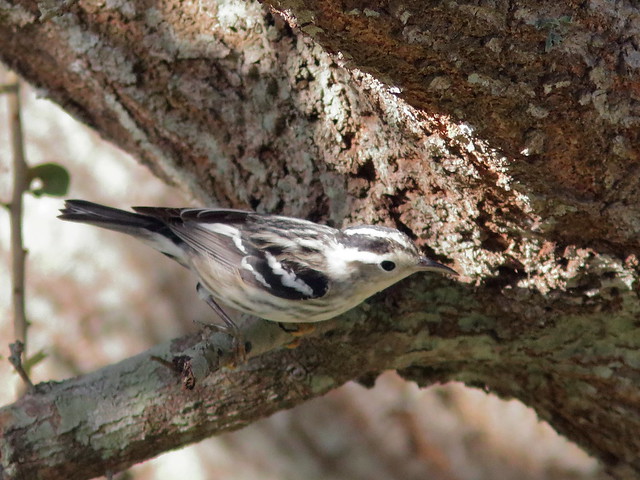
...an acrobatic female Black-and-White Warbler:

The next morning, several long-legged waders foraged in a slough created by off-road vehicles next to the wet prairie. Heavy rains had caused the lake to spill over, trapping fish in the surrounding area. They included a Little Blue and Tricolored Heron as well as a Great Egret:

A Snowy Egret and Wood Stork were out of the frame:

This is a nice size comparison between the egret and the Tricolored Heron:

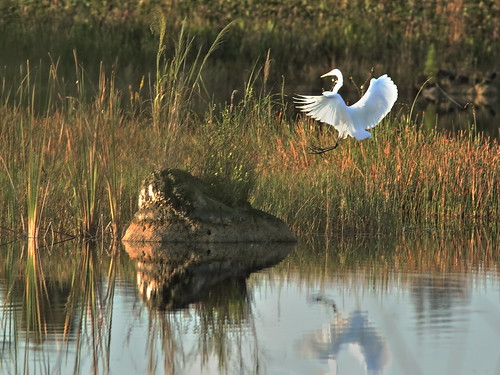
The egret flew up to balance on some flimsy branches:

The heron rookery was about to be demolished. It harbored a secretive Black-crowned Night-Heron...

...and a drab Yellow-crowned Night-Heron:

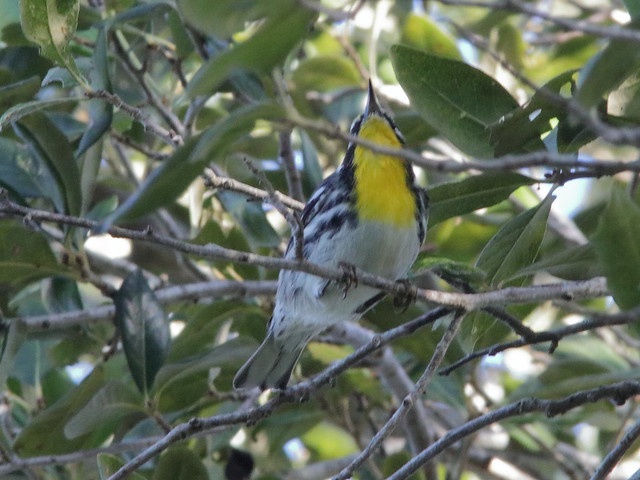
Before the end of the first week I saw a Yellow-throated Warbler...

...a female Blue Grosbeak in winter plumage...

...a male Northern Cardinal who had just completed molting into fresh plumage...

...a devoted pair of Black Vultures which had nested nearby for several years...

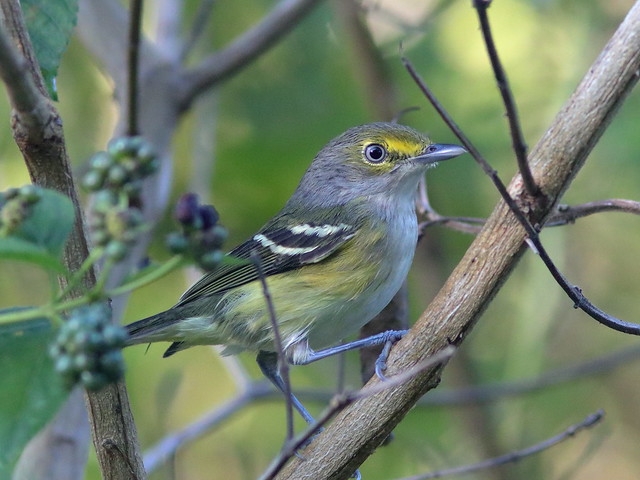
...a White-eyed Vireo...
...and Florida's State Butterfly, a Zebra heliconian on Firebush (Hamelia patens):

Although I should have been satisfied with such an auspicious start, other sightings that month included a Pileated Woodpecker...

...a female Red-bellied Woodpecker...

...Northern Mockingbird...

...female Painted Bunting...

...Gulf Fritillary on Lantana...

...Prairie Warbler...

...Blue-headed Vireo...

...White Ibises...

...immature Red-shouldered Hawk...

...and a male Scarlet Skimmer (Crocothemis servilia):

A male Bobcat strolled nonchalantly across the gravel track:

On November 24 the full Beaver Moon set over the lake:

The next morning it was quite high as the fog lifted:

There were buttermilk skies...

...brilliant reflections...

and fiery sunrises:

However, all was not good. The heron rookery was destroyed. This was the view of the rookery on November 20:

Heavy machinery was poised on a floating platform:

Two days later, hurricane debris had been removed and most of the shoreline vegetation which had hosted the heron nests had been clear-cut: 

On November 28, a lone night-heron rested on a broken branch near the missing tree which had contained one of eight nests that produced numerous young birds earlier that year:

This photo, taken at a pasture next to Chapel Trail Nature Preserve, is a somber reminder that now, three years later, the Longhorn cattle and Cattle Egrets are gone and the grassland is being paved over for a parking lot to store boats and RVs:

= = =  = = =  = = = =  = = = = =

Linking to:


Fences Around the World

Nature Thursday

Skywatch Friday

Weekend Reflections

Saturday's Critters

BirdD'Pot

Camera Critters

All Seasons

Wordless Wednesday (on Tuesday)

Natasha Musing

Our World Tuesday

________________________________________________

Please visit the links to all these posts to see some excellent photos on display
________________________________________________
Thursday, March 12, 2020

Including habitat in photos

Too often, I strive for "bird guide" photos, side-on, in perfect light and showing every plumage detail. These views don't usually happen in real life. So many of my shots show nothing but leaves and twigs or empty sky. 

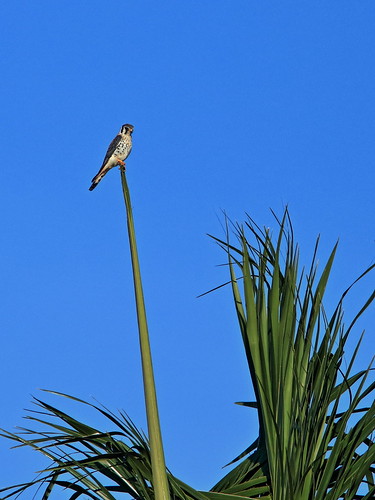
An American Kestrel was so far away that its cropped image would not merit publication on glossy paper, but the original illustrates its habit of selecting a high perch atop a Royal Palm:

American Kestrel on Royal Palm shoot 20191206

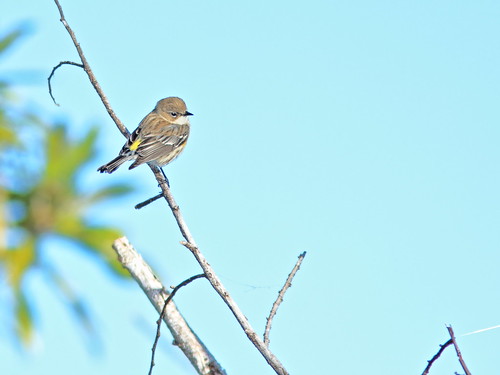
Seeing a Yellow-rumped Warbler perched out in the open lets us better appreciate its small size as well as its namesake field mark:

Yellow-rumped Warbler 20200105

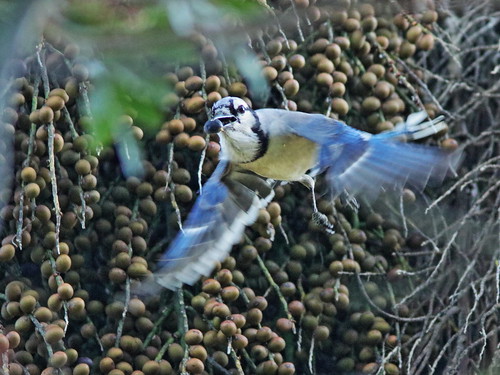
Blurred wings provide action as a Blue Jay snatches fruit from a Royal Palm:

Blue Jay 02-20191206

This male Northern Parula warbler is at home in mid-winter, among the emerging leaves of a Red Maple:

Northern Parula 05-20191223

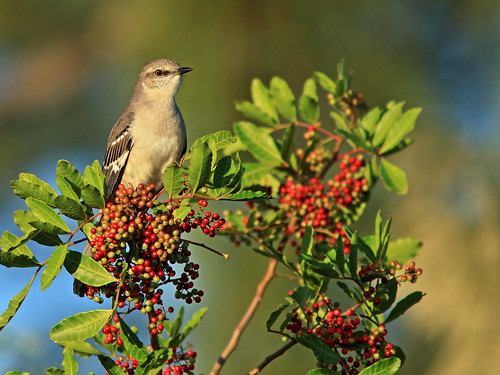
Northern Mockingbird on Brazilian Pepper-- Birds and berries go together...

 Northern Mockingbird 01-20191130

...as do butterflies and blossoms-- Giant Swallowtail and Lantana flowers:

Giant Swallowtail 20181005

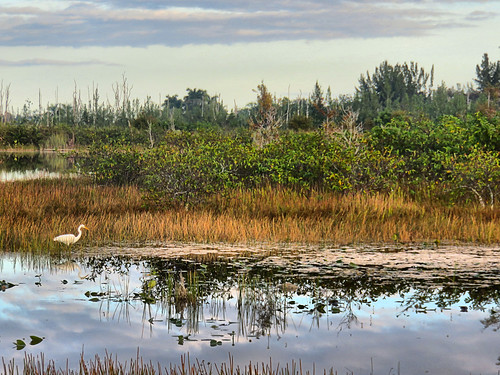
Is this a picture of the bird or the background? Great Egret:

Great Egret 01-20191108

A tight crop would keep us from learning something about the food preferences of a tiny Barred Yellow butterfly on Largeflower Mexican Clover  (Richardia grandiflora):

Barred Yellow butterfly 20191211

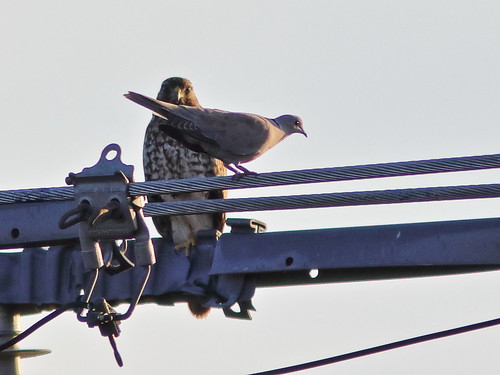
The aesthetics are horrible, but can a hawk and a dove tell a story? Red-shouldered Hawk watching a Eurasian Collared-Dove: 

Eurasian Collard-Dove and Red-Shouldered Hawk 20191016

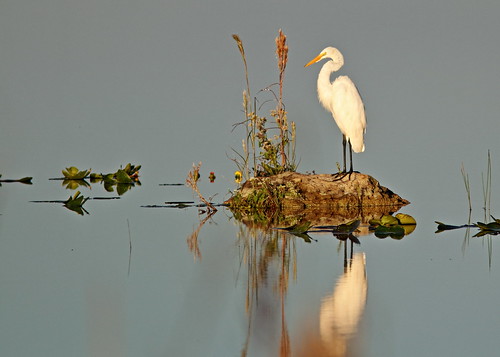
A "field guide" view would eliminate the reflection of this Great Egret:

Great Egret in morning light 01-0190114 

Another messy egret photo, not fit for publication:

Great Egret 20190623

An egret hunts in unsightly periphyton* which blankets the surface of a cove. It is a rich source of food and hiding places for prey species:

Great Egret and periphyton 05-20181208

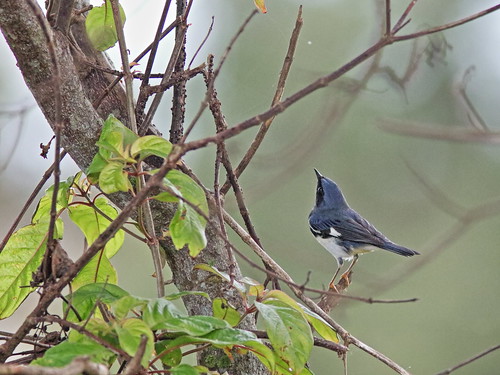
Its back is to the camera and the light does not catch the eye of this Black-throated Blue Warbler, at home in a Firebush (Hamelia patens):

Black-throated Blue Warbler male 091-20191009

The Eastern Phoebe is primarily a flycatcher. Not a great shot, but it is eating a large cutworm caterpillar!

Eastern Phoebe with caterpillar 01-20191206

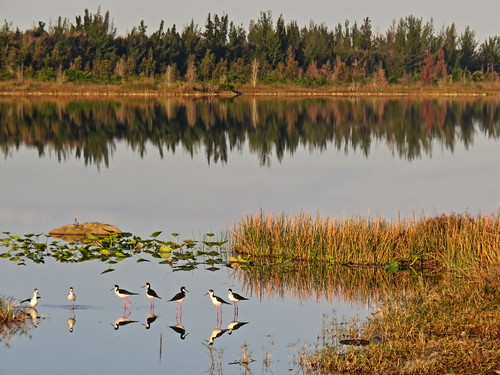
Black-necked Stilts on still water:

Stilts on still water 20190401

What is most important here, the Bald Eagle or the golden sky at sunrise? What is one without the other?

Bald Eagle on golden sky 04-20190728

= = = = =  = = = = = = = = = =

*Periphyton is a complex mixture of algae, cyanobacteria, heterotrophic microbes, and detritus that is attached to submerged surfaces in most aquatic ecosystems... Periphyton serves as an important food source for invertebrates, tadpoles, and some fish. It can also absorb contaminants, removing them from the water column and limiting their movement through the environment. The periphyton is also an important indicator of water quality... REFERENCE

= = =  = = =  = = = =  = = = = =

Linking to

Fences Around the World


Skywatch Friday

Weekend Reflections

Saturday's Critters

BirdD'Pot

Camera Critters

All Seasons

Wordless Wednesday (on Tuesday)


Our World Tuesday

________________________________________________
Please visit the links to all these memes to see some excellent photos on display
________________________________________________