Showing posts with label Texas. Show all posts

Thursday, August 31, 2017

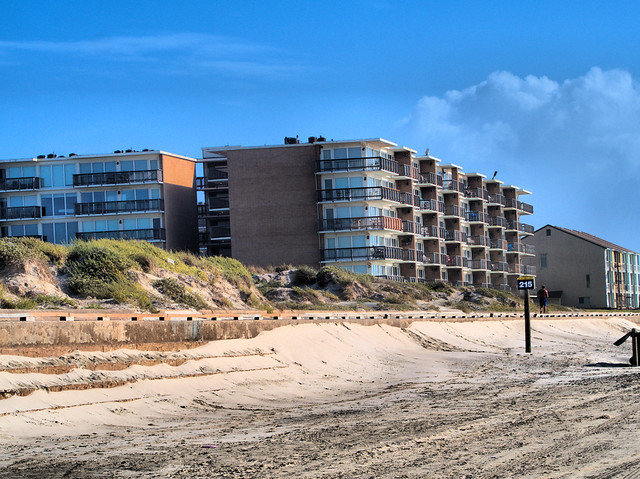
Corpus Christi beach before Hurricane Harvey

We spent 5 days on North Padre Island, just outside Corpus Christi, Texas, with our daughter, her husband and their two daughters. We departed on August 20, less than a week before Hurricane Harvey made a direct strike. Our condominium was located on the beachfront, third floor. Our bed was situated right next to a glass wall which overlooked the beach and the expanse of the Gulf of Mexico:

Gulfstream Condominiums 20170817

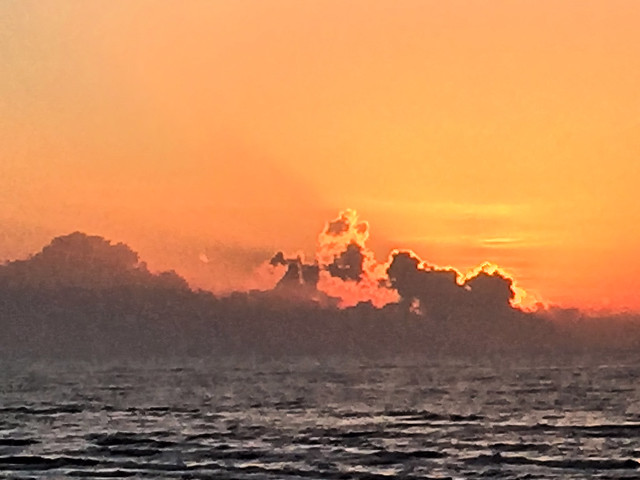
These are views which greeted us at sunrise:
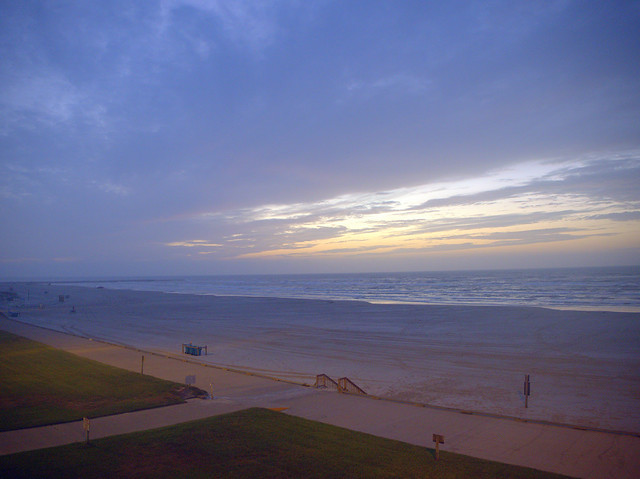
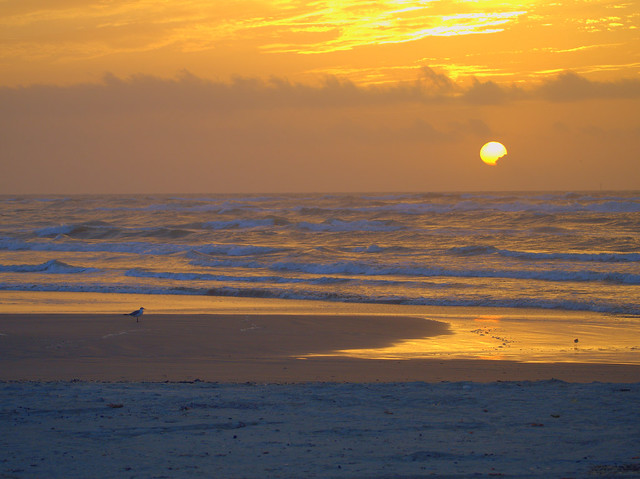
Sunrise 01-20170817

Sunrise 05-20170817

Sunrise 01-20170818

Mary Lou and I walked the beach early each morning. Our companions along the way were friendly humans...
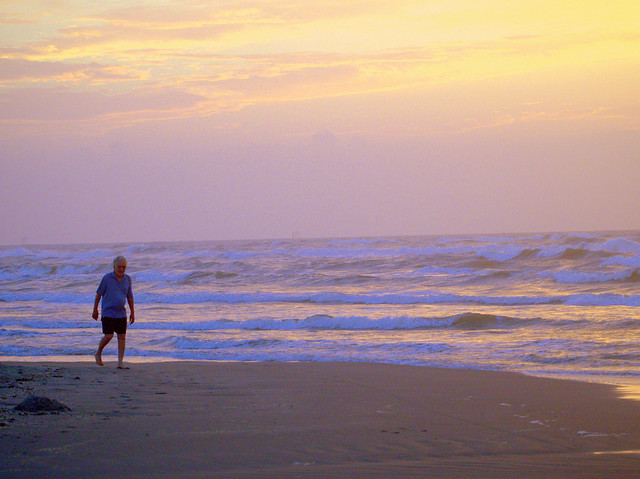
Sunrise 04-20170817

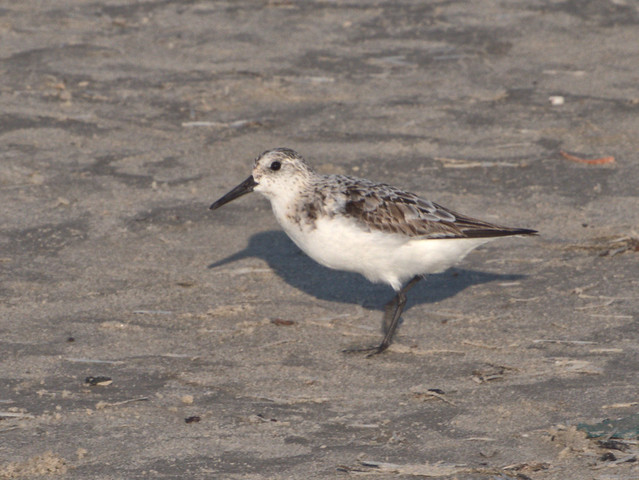
...and a few feathered critters. Sanderlings scurried back and forth as the surf rolled in and receded:
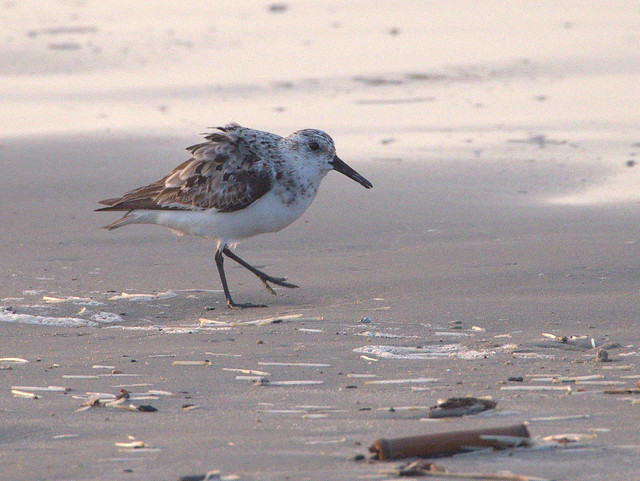
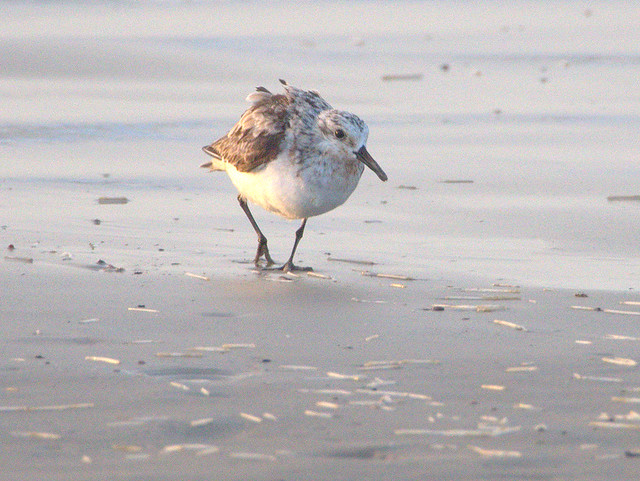
Sandpiper 02-20170817

Sandpiper 01-20170817

Sanderling 02-20170818

Laughing Gulls were numerous. They exchange their black heads for "earmuffs" at the end of breeding season:
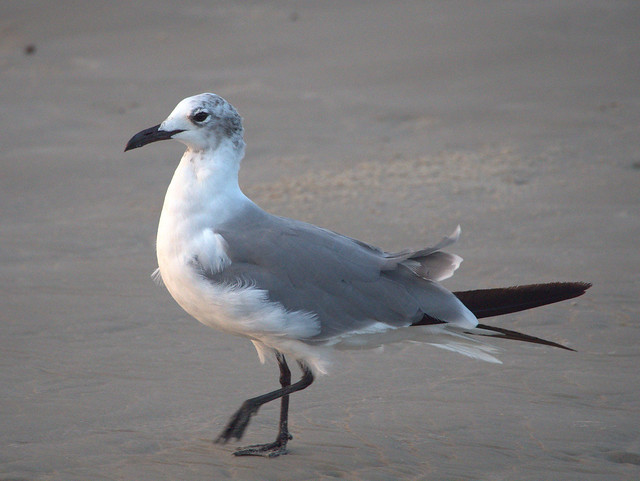
Laughing Gull 01-20170817

This adult Herring Gull has a yellow bill and develops a few dark head streaks as winter approaches.
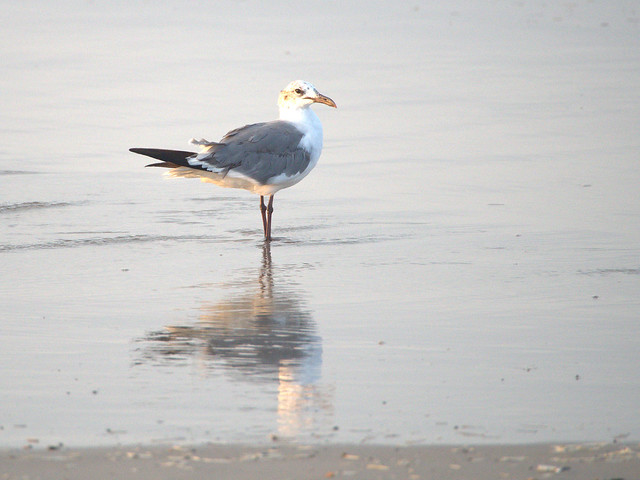
Gull 01-20170817

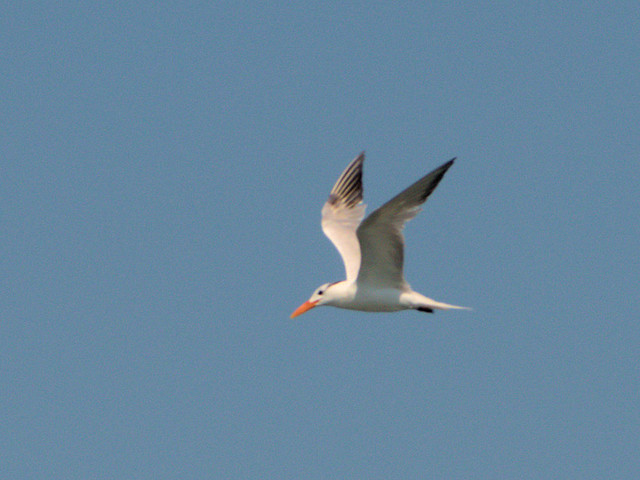
A Royal Tern flew overhead:

Royal Tern 20170818

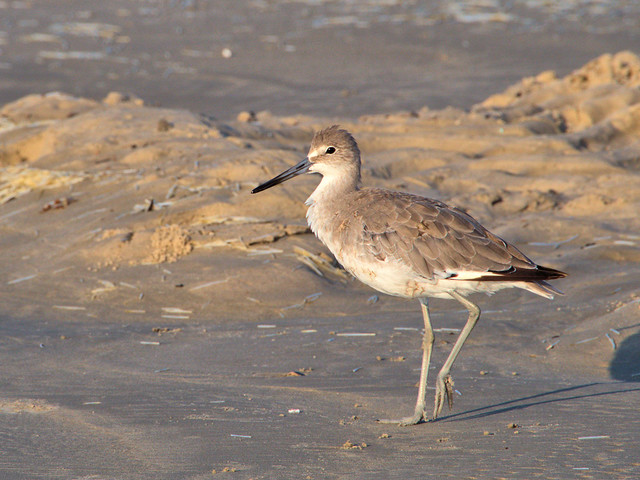
The Willet is a large sandpiper with a substantial straight bill. It flashes white wing patches in flight and loudly calls out its name: 
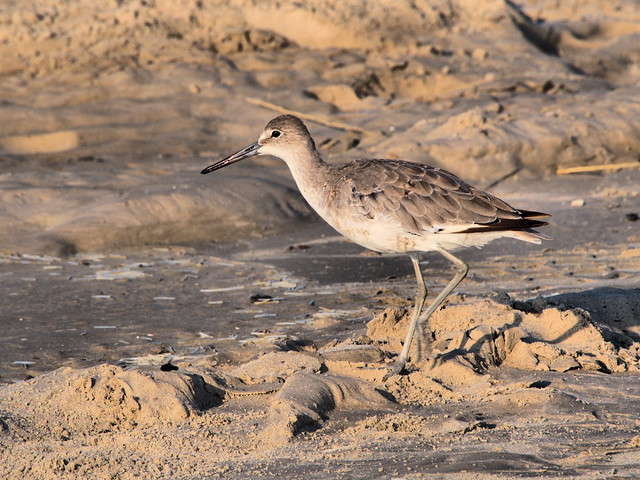
Willet 01-20170818

Willet 03-20170818

Ruddy Turnstones were quite numerous:
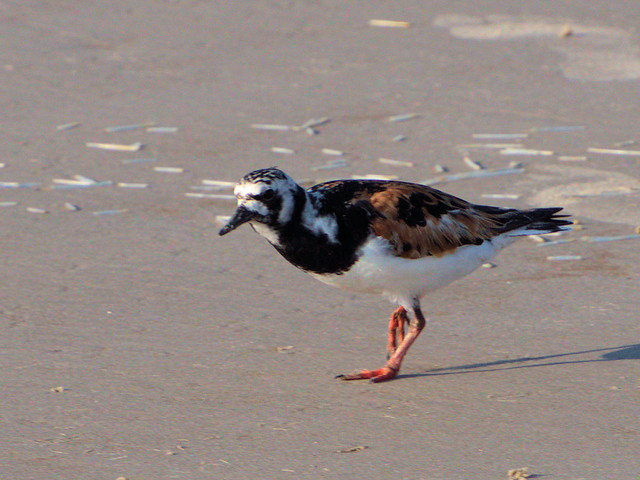
Ruddy Turnstone 05-20170818

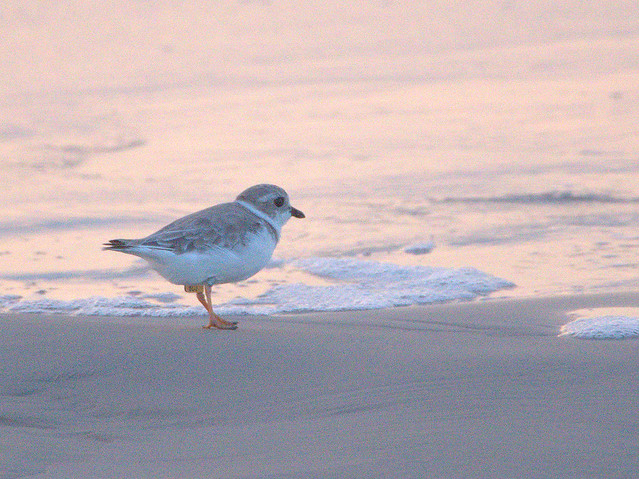
A special treat was this tiny Piping Plover, a threatened species (and endangered in the Great Lakes area) with a yellow-orange flag and a blue-green band respectively on its left and right upper legs. The colors indicate it came from the northern Great Plains states. The light was poor and I could not read the number on the flag, and it flew off before I could draw nearer:
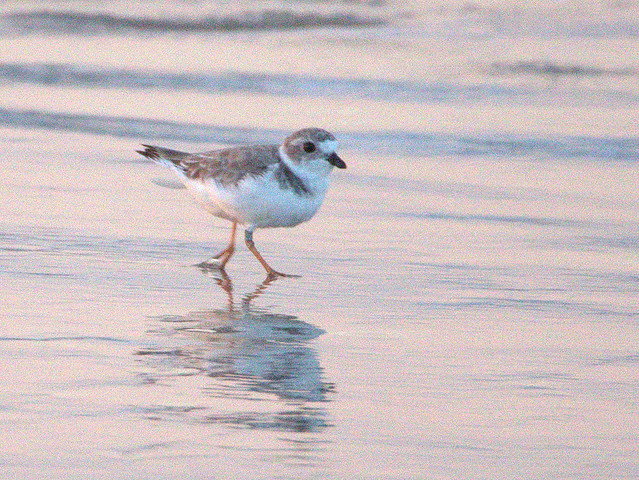
Piping Plover 04-20170817

Piping Plover 02-20170817

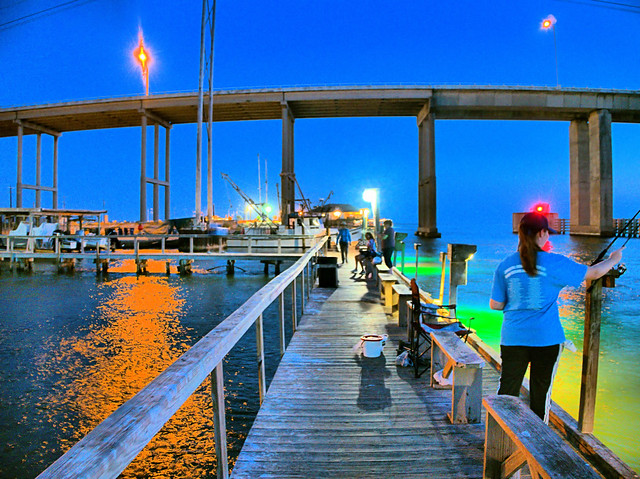
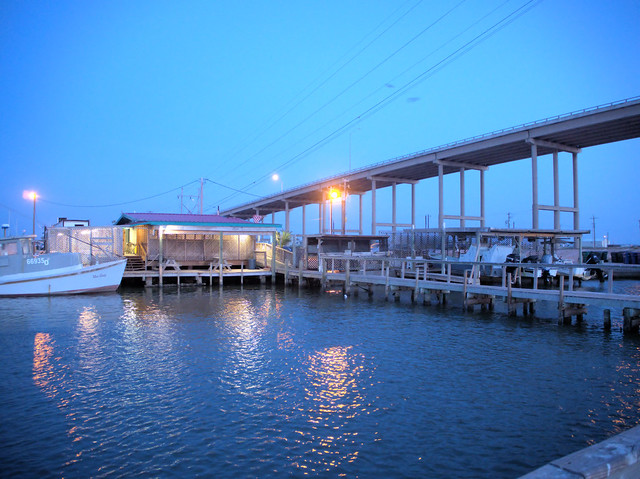
The younger family members went fishing from a pier at night, and I joined them. I tried out the low-light performance of my new mirrorless camera. These images were hand-held and brightened in post-processing but no filters were applied:
Fishing Pier 06-20170817

Fishing Pier 02-20170817

I assume that the green lights under the pier are intended to attract fish:
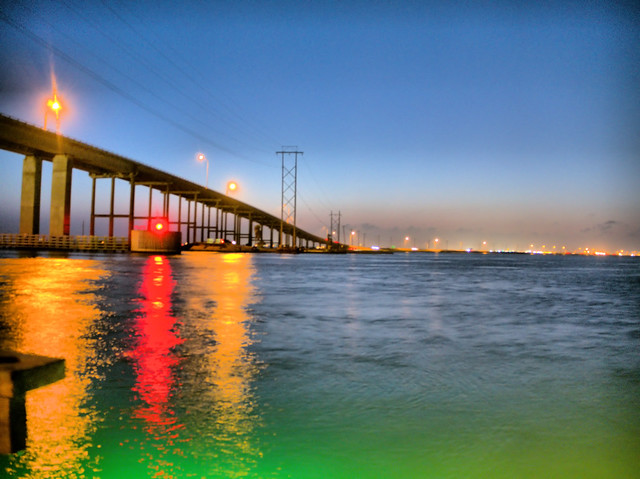
Causeway 02-20170816

At Port Aransas, we took a successful dolphin-watching boat tour, but I got no decent photos because of my poor reflexes and the annoying shutter lag with my new camera. 


This is a view of the harbor over the "fence" on the stern of the boat. I did not realize how drastically this scene would change only a few days later:
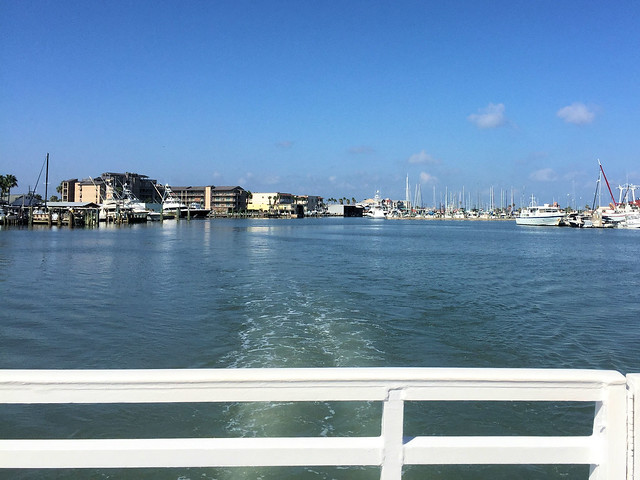
Port Aransas 05-20170818

The boat captain pointed out a flock of Roseate Spoonbills, which he called "Texas Flamingos:"
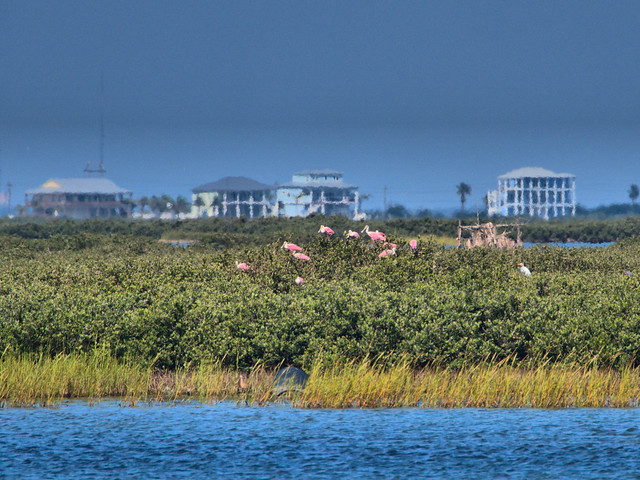
Roseate Spoonbills 20170818

The Lydia Ann Lighthouse, placed into service in 1857, guards the passage between the Gulf and the bay. Hurricanes destroyed the outbuildings several times, the worst in 1916 and 1919. It was deactivated in 1952 and is now under private ownership. The light was restored and returned to service in 1988 as a private aid to navigation:
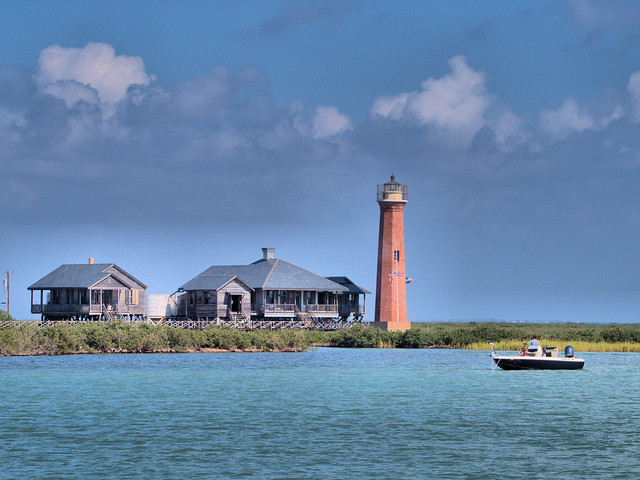
Lighthouse 01-20170818


On my 82nd birthday, just a week after I took these photos, the eye of Hurricane Harvey had already passed directly over Port Aransas and was then producing massive devastation in Houston, Texas.  My birthday occurs at the height of hurricane season. In recent years, four Atlantic and Gulf hurricanes made landfall on August 29: Katrina (2005) Gustav (2008) and Isaac (2012). 

At this point I have not heard how the lighthouse fared. I was reminded of how I spent my birthday when we lived New Orleans in 1969. I was in a school which served as a hurricane shelter, providing medical care to hundreds of evacuees after Camille struck on August 17. At that time it was the worst hurricane to ever strike the US mainland. See: Remembering Hurricane Camille

An excerpt: Remarkably, these words were written in 1999: “For many, Camille is a distant memory, an historical footnote from a time long gone. But Camille is also a harbinger of disasters to come. Another storm of Camille’s intensity will strike the United States, the only question is when. When this future storm strikes, it will make landfall over conditions drastically different from those in 1969. The hurricane-prone regions of the United States have developed dramatically as people have moved to the coast and the nation’s wealth has grown. Estimates of potential losses from a single hurricane approach $100 billion.”
[Thirty Years After Hurricane Camille: Lessons Learned, Lessons Lost, by Roger A. Pielke, Jr., Chantal Simonpietri, and Jennifer Oxelson ,12 July 1999]


= = =  = = =  = = = =  = = = = =

Linking to Misty's  CAMERA CRITTERS,

Linking to Eileen's SATURDAY'S CRITTERS,

Linking to FENCES AROUND THE WORLD by Gosia

Linking to SKYWATCH FRIDAY by Yogi, Sylvia and Sandy

Linking to WEEKEND REFLECTIONS by James

Linking to BirdD'Pot by Anni

Linking to Wild Bird Wednesday by Stewart

Linking to Wordless Wednesday (on Tuesday) by NC Sue

Linking to ALL SEASONS by Jesh

________________________________________________

Please visit the links to all these memes to see some excellent photos on display

________________________________________________

Thursday, August 24, 2017

Crops & Clips:Texas Panhandle birds

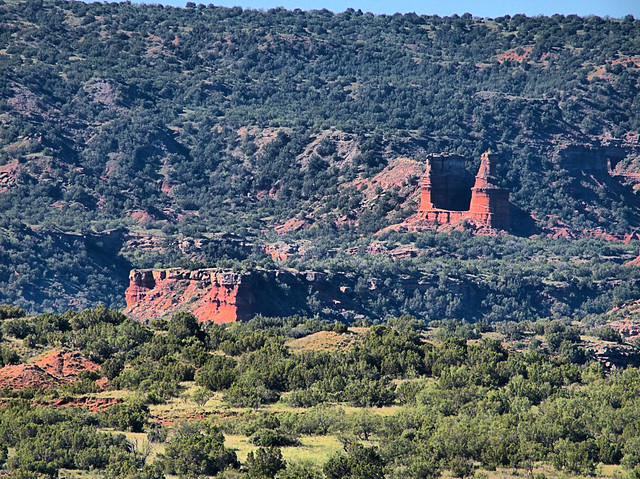
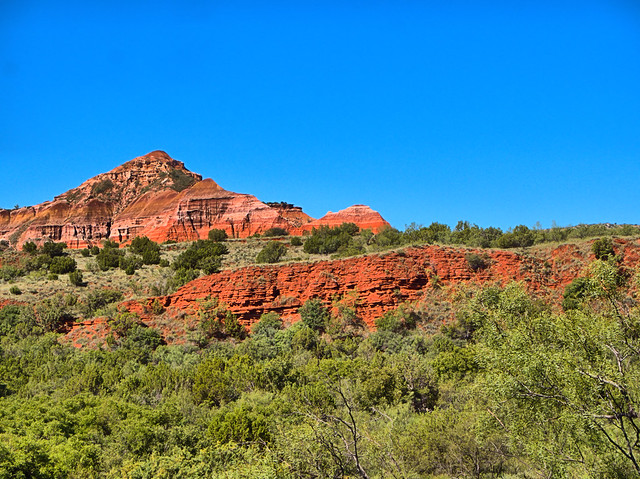
These natural rock formations in Palo Duro Canyon resemble ancient edifices:

Palo Duro Canyon 05-20170814

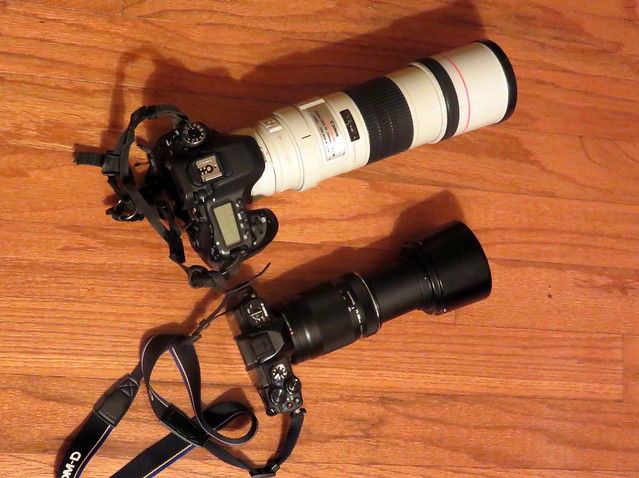
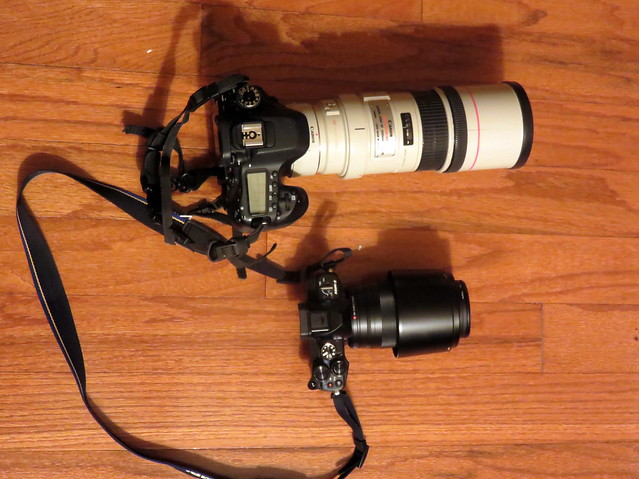
I have supplemented my heavy Canon 80D DSLR and its 420 mm lens system (300mm L/4 with 1.4x extender) with a mirrorless Olympus OM-D E-M10 Mark II and an Olympic M.ZUIKO MSC ED-M 75-300mm II (f/ 4.8-6.7) zoom lens. It weighs only 2.05 pounds (0.97 Kg) compared to the  5.16 pounds (2.34 Kg) of my big rig. After experimenting with the rather complicated settings, I felt confident enough to leave the DSLR behind for a 10-day trip to Texas.

Here is a comparison of the two cameras, with lens hoods extended and then stowed:

Comparison of DSLR & Mirrorless Cameras (with lens hoods)

Comparison of DSLR & Mirrorless Cameras

For landscapes I switched to a tiny electronic zoom Olympus M.ZUKIO ED 14-42mm (f/3.5-5.6) EZ lens:

Palo Duro Canyon 06-20170814

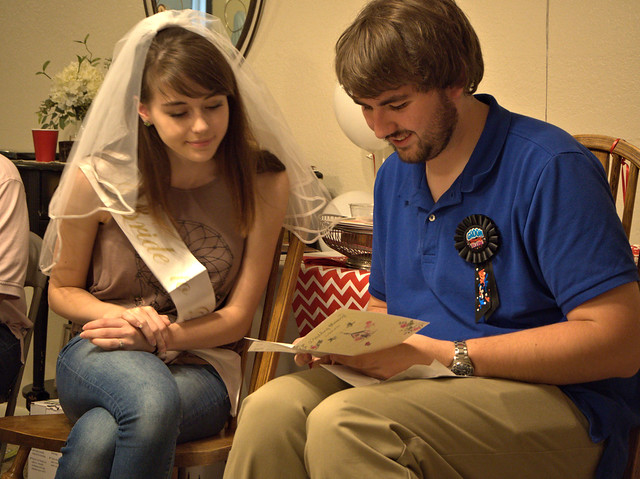
This was not a wildlife expedition. Indeed it was a wonderful family affair on the occasion of the marriage of our youngest grandson. The wedding took place in the Texas Panhandle south of Amarillo. They left the serious photography to a professional photographer, though I did take several hundred photos of the pre-wedding shower as well as the rehearsal and wedding ceremony.

Rachel Glen 06-20170811

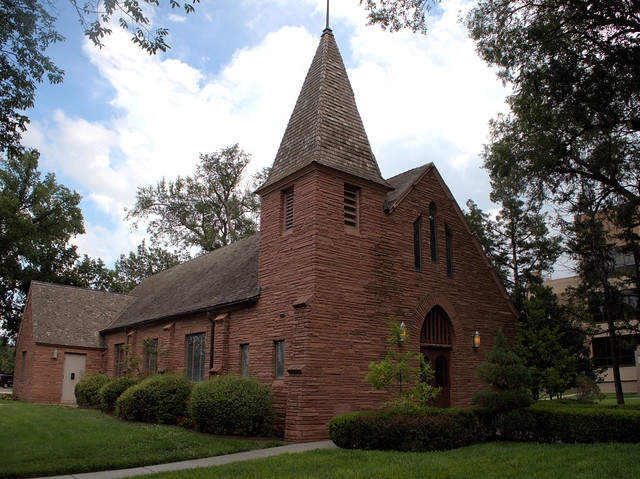
The chapel at West Texas A&M  University:

WTAMU Chapel 04-20170811
 

The groom with his bride, his parents and four siblings:

Schneider family 20170812

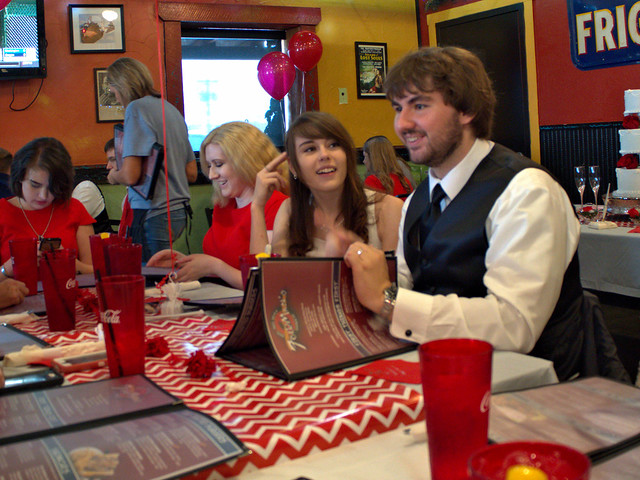
The reception was held at a good old country restaurant:

Rachel Glen 20170812

During the 5 days surrounding the wedding we went sightseeing in the nearby and very impressive Palo Duro Canyon. Flash floods the night before (when 15 members of our family attended the famous open-air Texas Musical which is held in the depths of the Canyon) caused all the trails to be closed. Even the paved road had to detour around an area of deep mud. We were rained out only about 10 minutes into the show and returned home soaked to the skin!

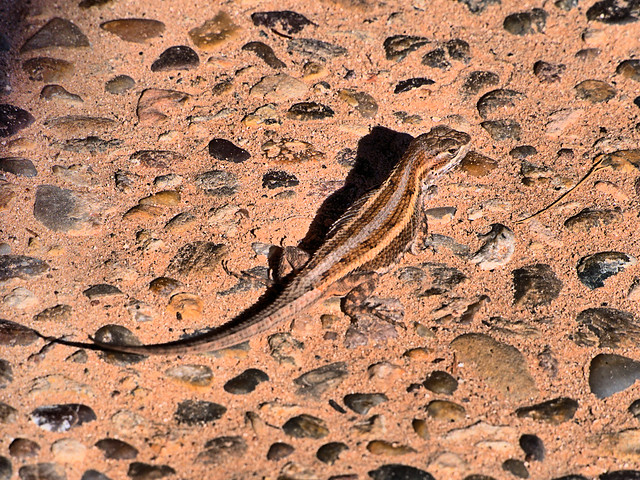
At the visitor center we saw this lizard:

Lizard 20170814

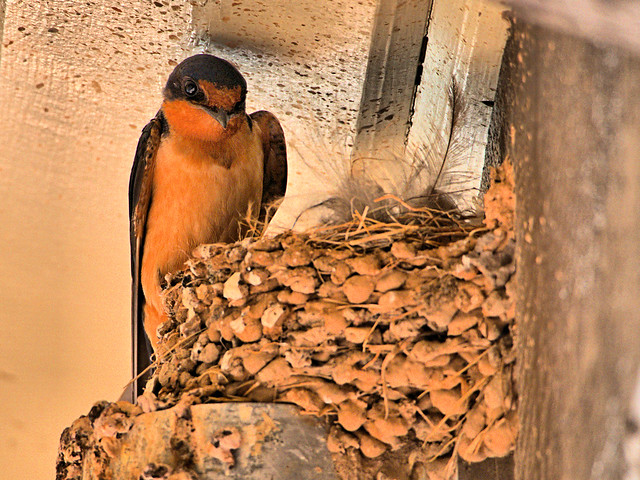
Barn Swallows nested under the porch roof:

Barn Swallow at nest 03-20170814

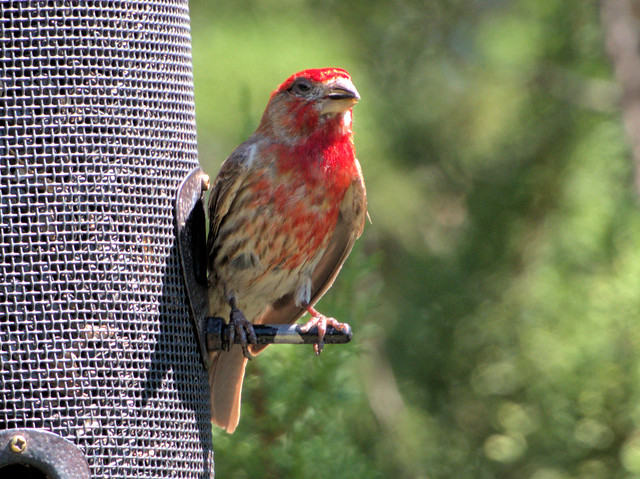
It was sunny and very hot. Photographic conditions were not favorable because of the glare and deep shadows. A wildlife blind was located near bird feeders and a small water source.  House Finches outnumbered the other avian visitors. This male appears to have an eye infection:

House Finch 02-20170814

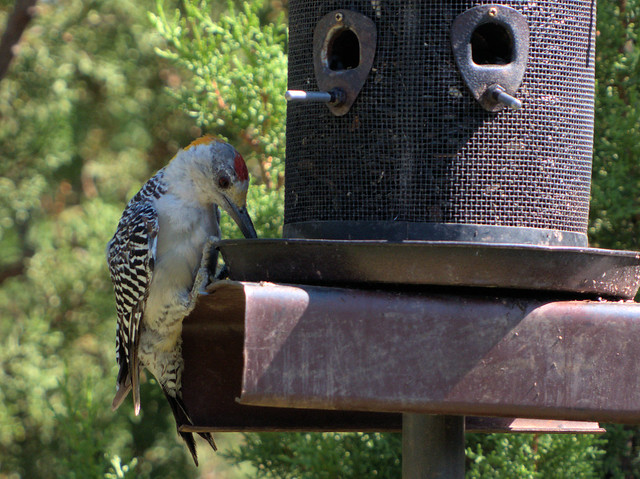
Golden-fronted Woodpecker:

Golden-fronted Woodpecker 01-20170814

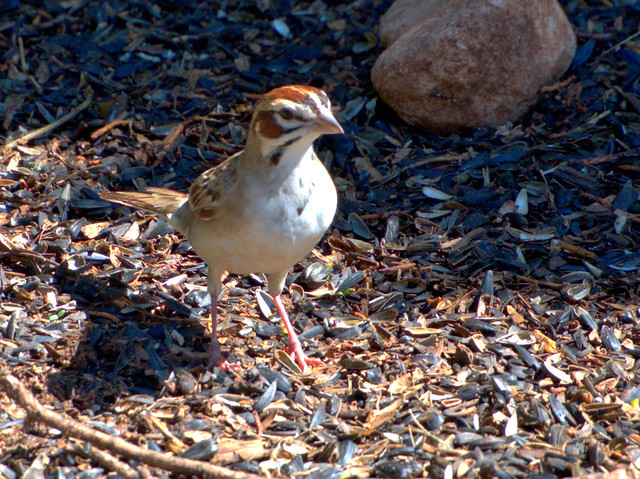
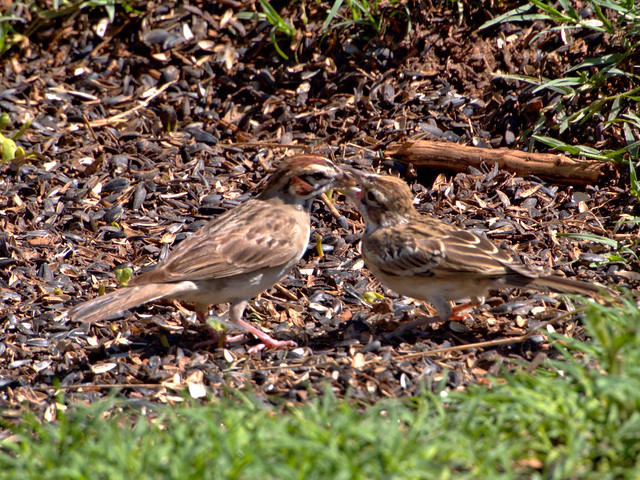
Watching a Lark Sparrow as it fed a fledgling was a treat:

Lark Sparrow 01-20170814

Lark Sparrow feeding fledgling 02-20170814

Later in the day we moved on to Buffalo Lake National Wildlife Refuge. We have visited this refuge many times over more than twenty years that our son has worked as a meteorologist in Amarillo. 


The lake has gradually dried up because of the combined effects of prolonged drought and the dramatic drop of the water table due to greatly increased agricultural demand. The last time I saw significant water  was around 1998. Waterfowl and migratory wading birds abounded, and during the winter Bald Eagles gathered there to fish. In 2008 it was nearly dry but a small section recovered a bit in 2009. Now the entire lake is bone dry. 

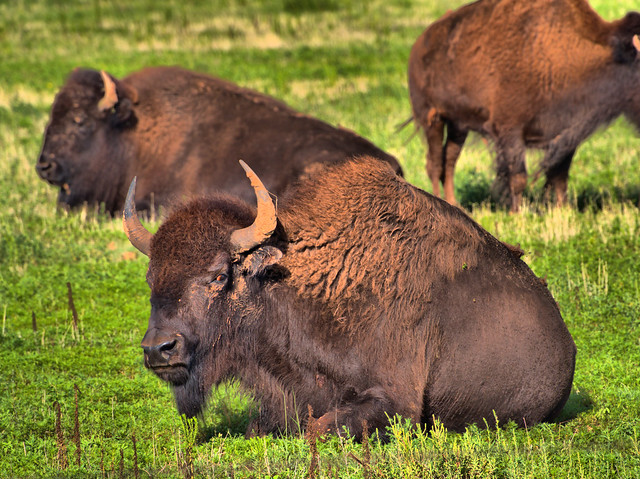
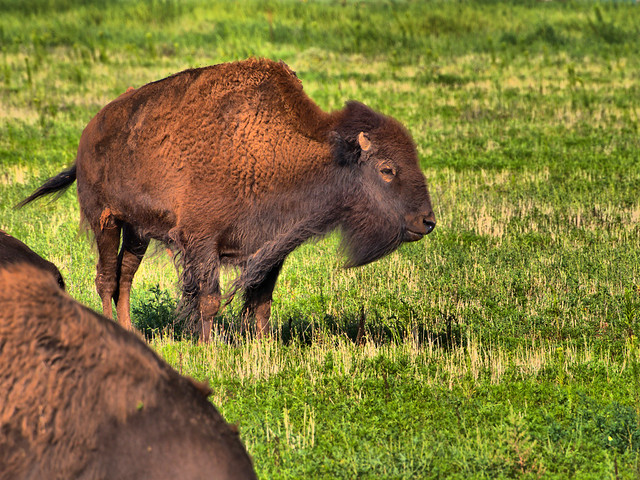
A small herd of "buffaloes" (American Bison) wallowed in the mud in a pasture near the entrance to the refuge:

Bison 01-20170814

Bison 02-20170814

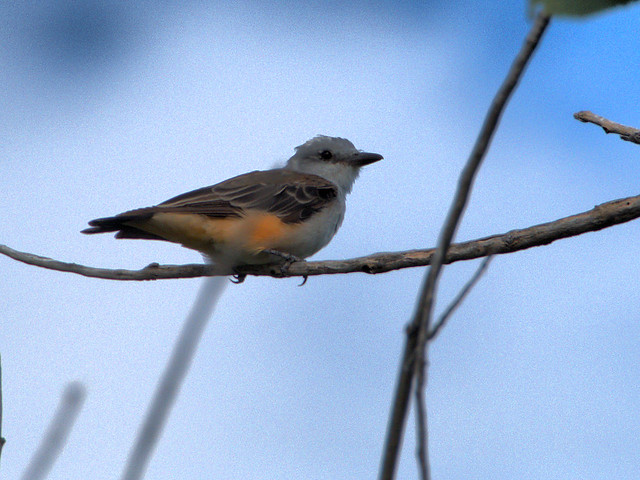
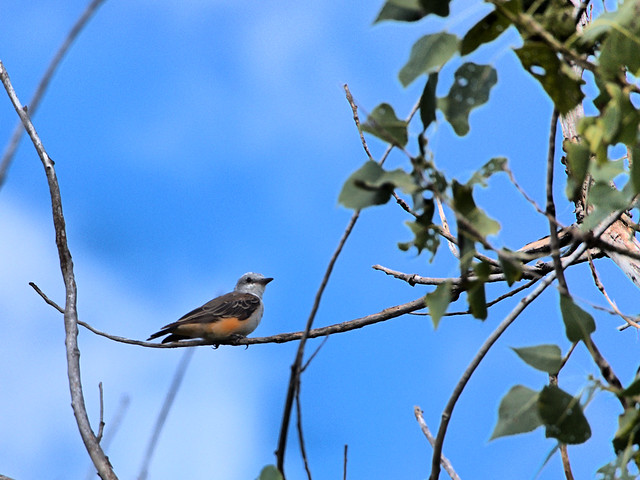
I enjoy photographing small birds, so they were a test for my new camera. Given the conditions, the images were fairly good. This is a Scissor-tailed Flycatcher which is growing a new tail after molting:

Scissor-tailed Flycatcher adult molting 01-20170814

Against the bright sky, this photo required a full stop of exposure compensation:

Scissor-tailed Flycatcher adult molting 02-20170814

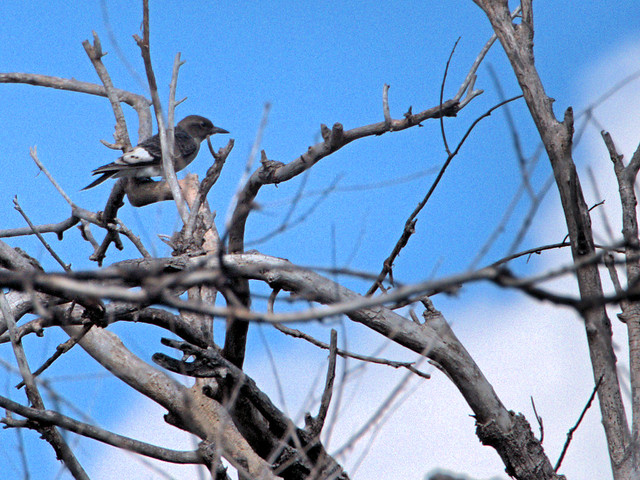
Even at some distance, the camera obtained fairly decent resolution of this back-lit immature Red-headed Woodpecker:

Red-headed Woodpecker immature 20170814

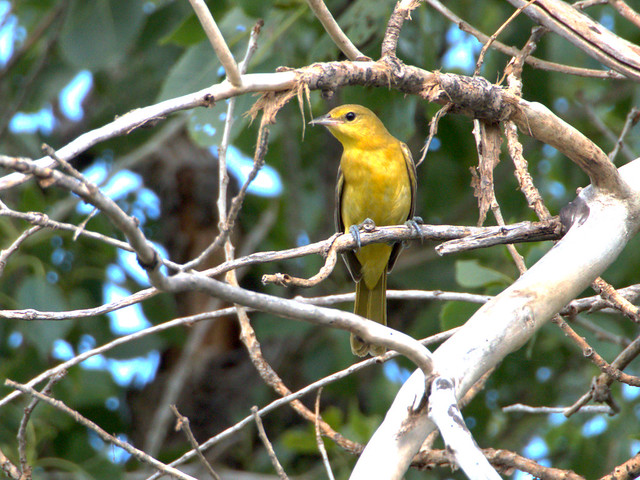
A female oriole posed nicely. I believe it is an Orchard Oriole:

Orchard Oriole female 20170814

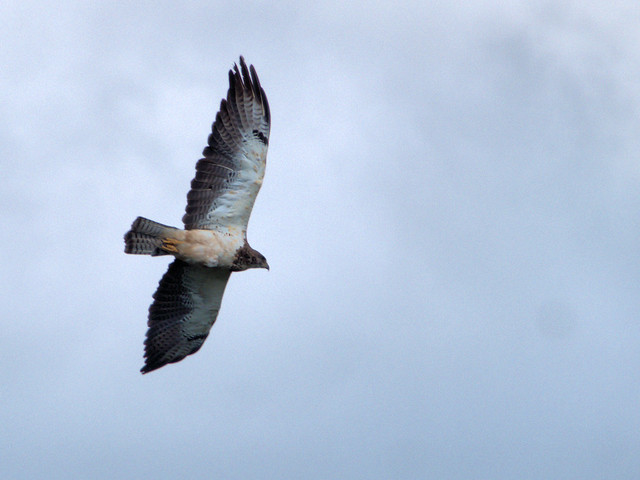
A Swainson's Hawk wheeled overhead. Because of shutter lag I only had one opportunity to capture this image. I still need to learn more about how to obtain rapid bursts:

Swainson's Hawk 20170814

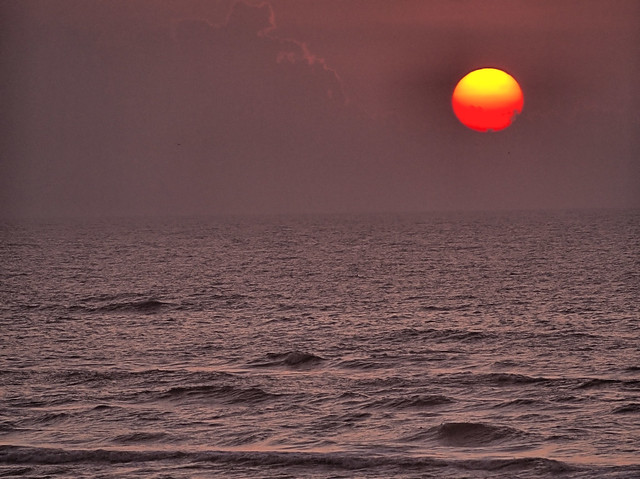
As I write this, a storm with the potential to bring heavy rains and possible hurricane-force winds is bearing down on Corpus Christi, where we vacationed until just four days ago. More about this in a future post, but here is a sunrise on our first morning on the beach at North Padre Island:

Sunrise at North Padre Island 20170818

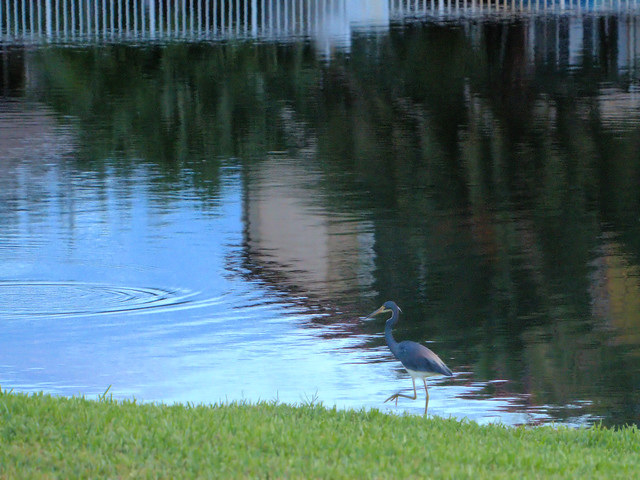
Back home in Florida the rain has kept us inside, but this photo of a back yard Tricolored Heron satisfied my desire to include a reflection of a neighbor's fence:

Tricolored Heron 01-20170823
________________________________________________

= = =  = = =  = = = =  = = = = =

Linking to Misty's  CAMERA CRITTERS,

Linking to Eileen's SATURDAY'S CRITTERS,

Linking to FENCES AROUND THE WORLD by Gosia

Linking to SKYWATCH FRIDAY by Yogi, Sylvia and Sandy

Linking to WEEKEND REFLECTIONS by James

Linking to BirdD'Pot by Anni

Linking to Wild Bird Wednesday by Stewart

Linking to Wordless Wednesday (on Tuesday) by NC Sue

Linking to ALL SEASONS by Jesh

________________________________________________

Please visit the links to all these memes to see some excellent photos on display
________________________________________________
Thursday, October 2, 2014

Crops & Clips: Bluebirds on good and bad fences

My weekly potpourri gathered from the archives features... bluebirds and more bluebirds!

CRITTER: Guess?

North American bluebirds come in three "flavors." Each one is a sweet as the others

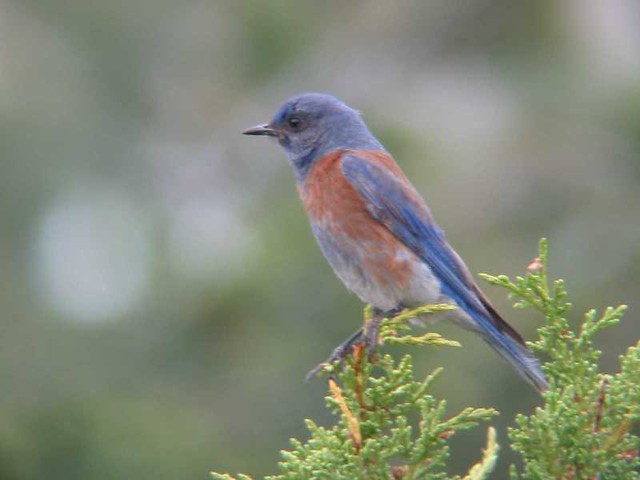
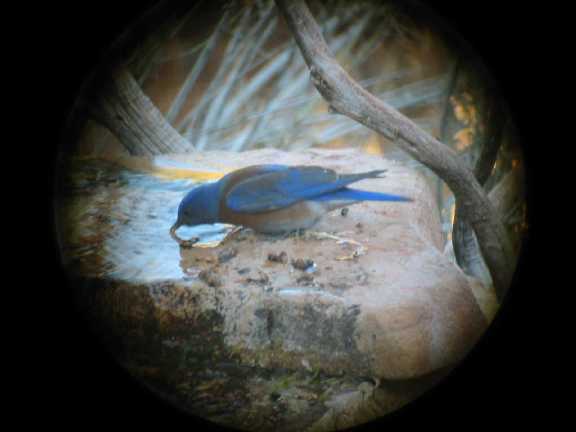
Western Bluebird digiscoped in our front yard, Cedar Crest, New Mexico in November, 2003 

Western Bluebird Male

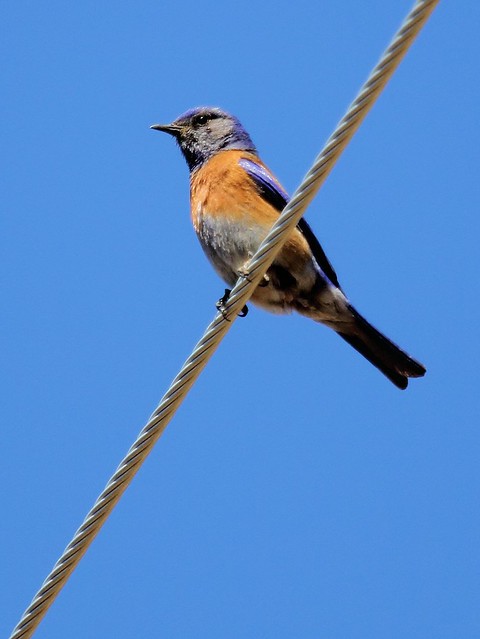
Note the all-blue head and throat of the Western Bluebird, in Grand Canyon, Arizona, June 17, 2013

Western Bluebird 20130617

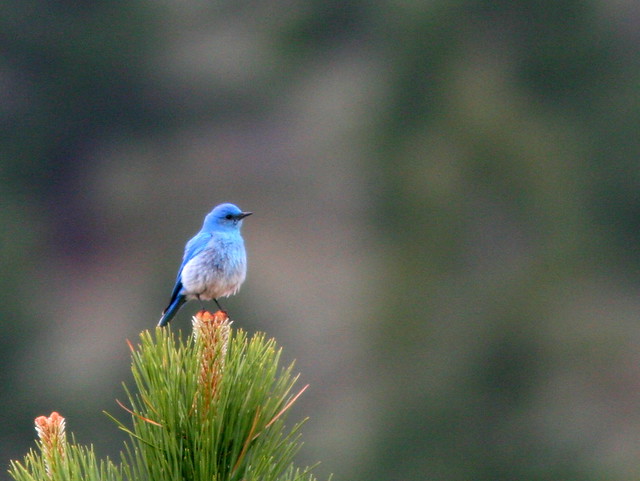
The Mountain Bluebird is an unforgettable shade of blue, seen at YMCA of the Rockies, Estes Park, Colorado on June 17, 2010

Mountain Bluebird 20100617

Mountain Bluebird, Estes Park, Colorado on June 14, 2010

Mountain Bluebird 20100614

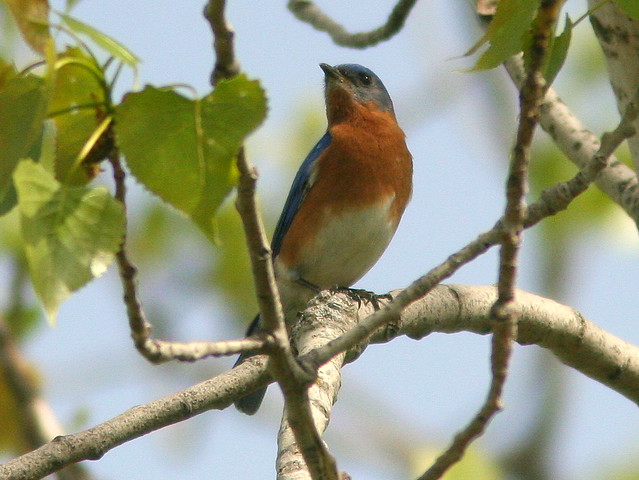
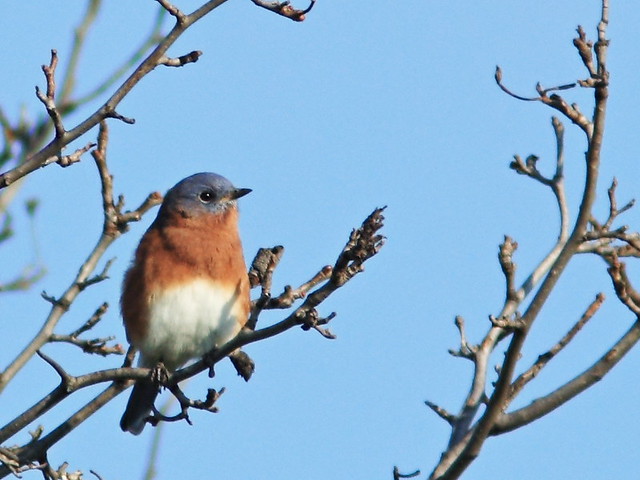
The third species of bluebird ranges in the eastern US and is appropriately known as the Eastern Bluebird, this one photographed in Batavia, Illinois on April 19, 2010

Eastern Bluebird 20100419

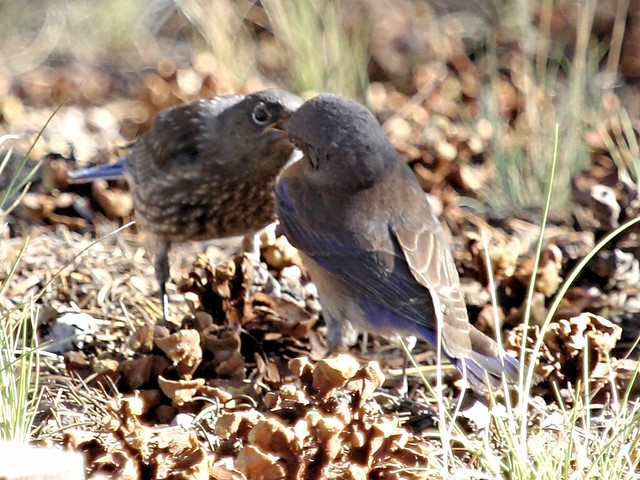
"Ontogeny recapitulates phylogeny" may be a discredited theory, but the spotted breast of a fledgling Western Bluebird bears evidence of its relationship to other members of the thrush family, in Grand Canyon, Arizona, June 19, 2013

Western Bluebird feeding sequence 2-20130619

This particular Eastern Bluebird has a story to tell, aside from the fact that she is bringing dinner to a fledgling hidden in the bushes under this wire, in Saint Charles, Illinois, June 22, 2012.

Eastern Bluebird 20120622


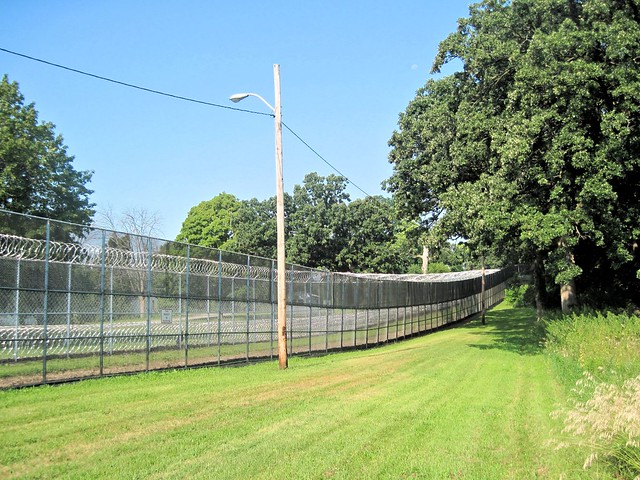
Although she symbolizes the bluebird of happiness and the freedom of flight, her perch overlooks a fence that is particularly good or bad, depending upon whether you are looking in or out. Those inside can only dream of flight. 

The Illinois Youth Center is a medium security correctional facility. On the "good" side is the beautiful Hickory Knolls Discovery Center, a nature center and preserve full of old growth hardwoods.

Correctional Facility 20130825

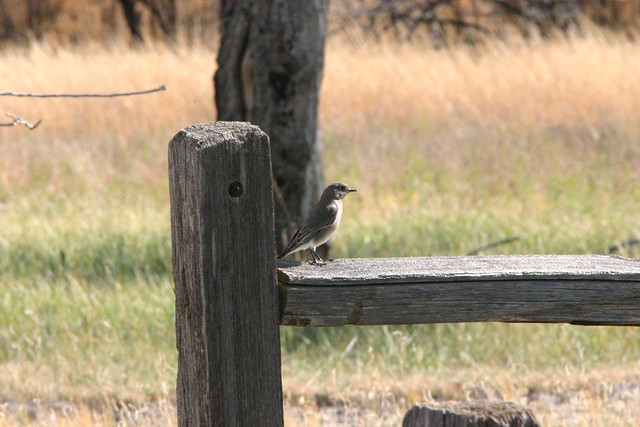
Mountain Bluebird, female on a "Good Fence," 
Buffalo Lake NWR, Canyon, Texas on November 12, 2008

MountainBluebird2 Female20081112


Linking to CAMERA CRITTERS,

Eileen's SATURDAY'S CRITTERS,

and 

GOOD FENCES by Tex (Theresa). 

________________________________________________
SKYWATCH: Blue on blue

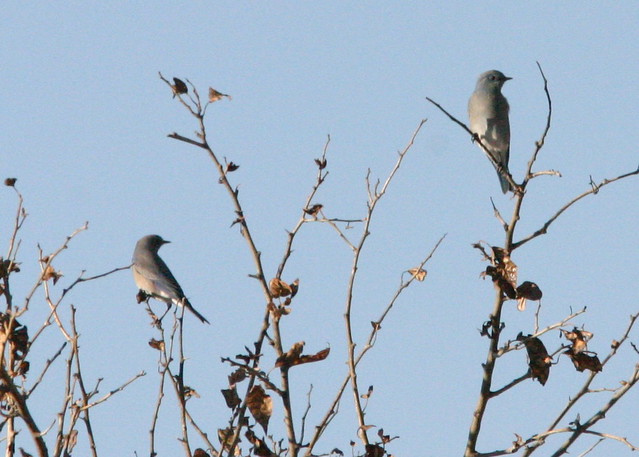
I just realized that all my bluebirds enjoyed blue skies with nary a cloud, so forgive me for showing such a boring sky.

Mountain Bluebirds in Canyon, Texas, November 12, 2008

Mountain Bluebirds Two In Tree 20081112

This week I tried again but there were no clouds at all--

Eastern Bluebird male, Nelson Lake, Batavia Illinois October 1, 2014

Eastern Bluebird male 2-20141001

Linking to SKYWATCH FRIDAY 

________________________________________________
REFLECTIONS: Poor

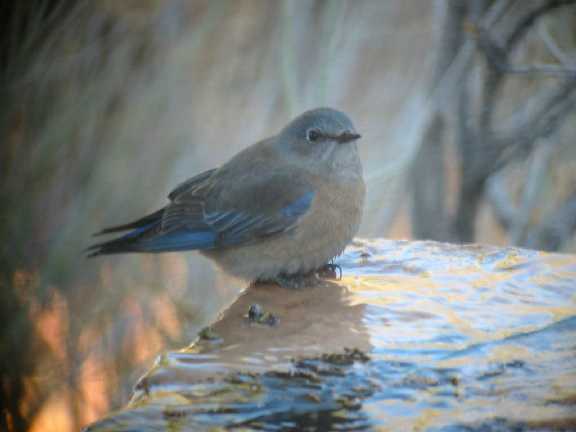
In adherence to our theme, I tried to find some bluebird reflections in my archives. The running water of our backyard fountain in New Mexico distorted them, but also produced some of my favorite bluebird photos.

Like the first picture on this post, they were taken from inside the windows of our home with a tiny Canon PowerShot A-40 with a 2 MP sensor (yes, you have that right, only TWO megapixels!) shooting at 3x optical zoom through the eyepiece of a Kowa 70mm scope zoomed down to 20x. Note that this technique causes natural vignetting of the edges of the photos. See my primitive digiscoping rig at this link.

Western Bluebirds, Cedar Crest, New Mexico, February, 2003

Western Bluebird female FEB03

Western Bluebird male FEB03


Linking to WEEKEND REFLECTIONS