Boat-tailed Grackles spend much of their non-breeding season in same-sex flocks which roost together in the wetlands as well as suburban parks and back yards. Males continuously compete for dominance which intensifies later in the winter as breeding season approaches.
The top alpha male will reign over a harem of a dozen or more females. They engage in displays which are mostly bluffing and bullying but may become violent. Older males usually are the ones challenging each other, while those younger than two years of age often gather around the competitors. Older adult males have iridescent plumage while younger birds may be dull black or even a bit brownish.
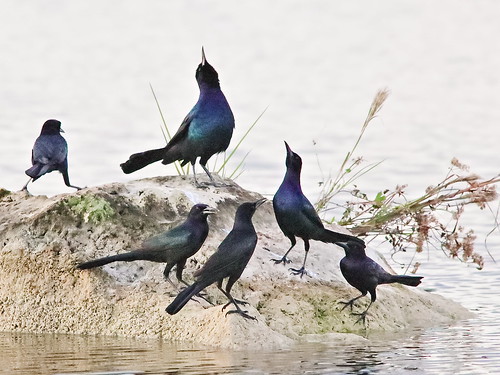
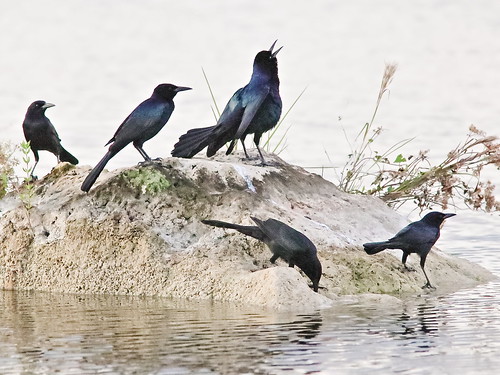
This past week I watched flocks fly in from the Everglades preserve. Many gathered along the shore of the lake in our local wetlands patch. Two groups of 8-10 formed on rock islands in the lake as the alpha males asserted their dominance:
Two rival males pointed their bills skyward while less aggressive adults and younger birds looked on::

The alpha male fluffed his feathers after his rival flew off:
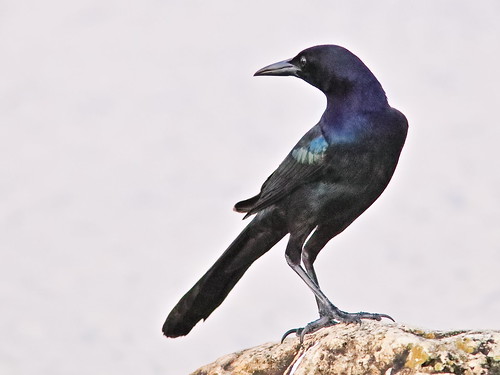
Long legs are an adaptation to the grackle's feeding style, as it often wades in the shallow water along the shore, probing the vegetation as it searches for invertebrates or anything edible:

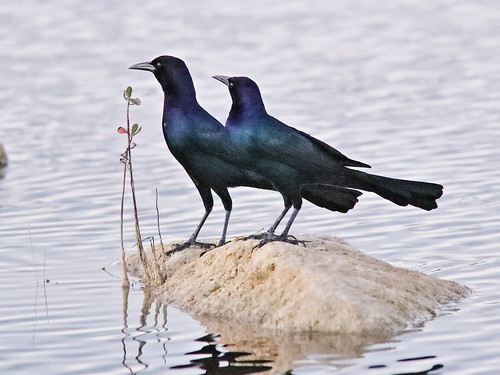
Non-alpha males seem to get along with each other:
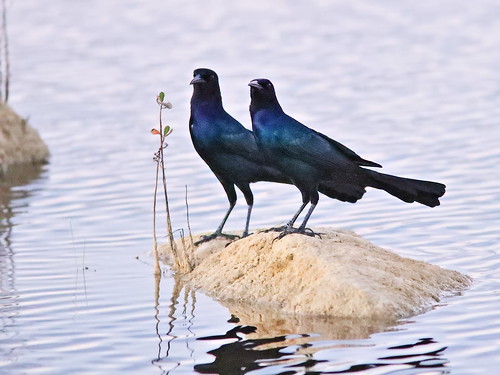
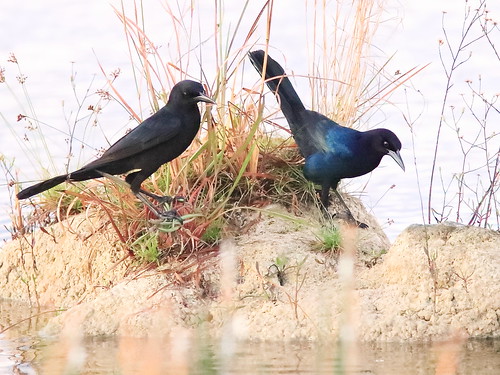
During breeding season the subservient males will gather around the periphery of the breeding colony which is guarded by one (or sometimes two or three) dominant males. They will follow females who leave the perimeter and often successfully mate with them if not detected by the harem master.
More lakeside confrontations, between two adults...

...and sometimes just to assert dominance over an immature male:

The Moon is backdrop for a singing male:

Female Boat-tailed Grackles are brown and smaller, looking almost like a different species:

This female has closed her nictitating membrane, or "third eyelid:"

We have had some beautiful sunrises. Our only open view is to the west, over the wetlands lake, so we see the play of light on the opposite horizon. This is the pine bank about 10 minutes before sunrise:

To the north, a Great Egret is foraging:
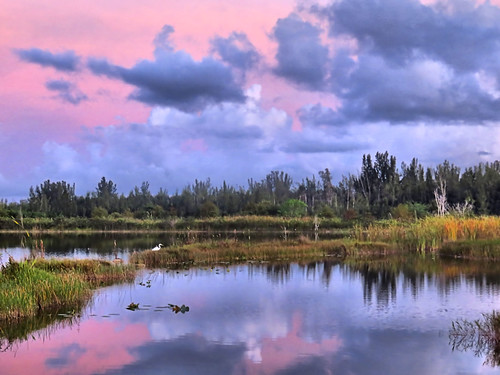
A closeup of the egret in poor light:

As we entered in darkness, a Tropical Orb Weaver was tending her web, illuminated by my flashlight:


Closeups with my pocket camera (Canon PowerShot SX700 HS with 30x Optical Zoom hand-held, which I also use for my landscape and habitat photos):

 This spider is nocturnal and it takes down its web before sunrise. I was amazed to see how quickly it gathered large sections of the web, winding the silken threads into a tight ball which it promptly ate. The web disappeared in less than one minute. Only the main supporting cable remained. It led from the ground up to a tree branch where the spider stores the prey it catches during the night. This practice conserves food and provides energy for the next night's work.
= = = = = = = = = = = = = = =
This spider is nocturnal and it takes down its web before sunrise. I was amazed to see how quickly it gathered large sections of the web, winding the silken threads into a tight ball which it promptly ate. The web disappeared in less than one minute. Only the main supporting cable remained. It led from the ground up to a tree branch where the spider stores the prey it catches during the night. This practice conserves food and provides energy for the next night's work.
= = = = = = = = = = = = = = =
Linking to Misty's CAMERA CRITTERS,
Linking to Eileen's SATURDAY'S CRITTERS,
Linking to SKYWATCH FRIDAY by Yogi, Sylvia and Sandy
Linking to WEEKEND REFLECTIONS by James
Linking to BirdD'Pot by Anni
Linking to Our World Tuesday by Lady Fi
Linking to Wild Bird Wednesday by Stewart
Linking to Wordless Wednesday (on Tuesday) by NC Sue
Linking to ALL SEASONS by Jesh
_______________________________________________
Please visit the links to all these memes to see some excellent photos on display
________________________________________________
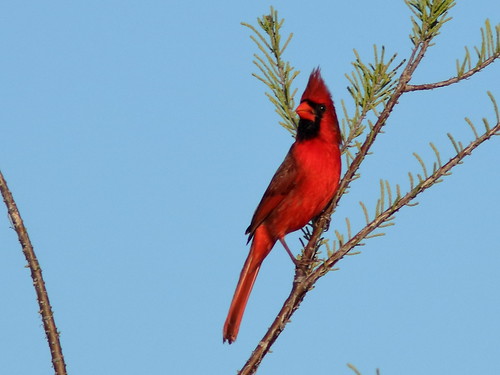
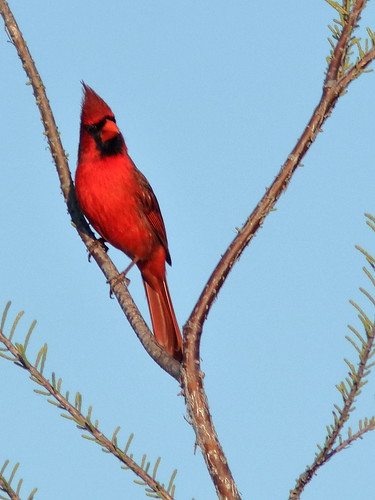
Spring is here! As we walk into the local Wounded Wetlands in the predawn darkness, Northern Cardinals are already in full song. It is too dark for photos, but two hours later on the way back home, their clear whistles dominate the soundscape.
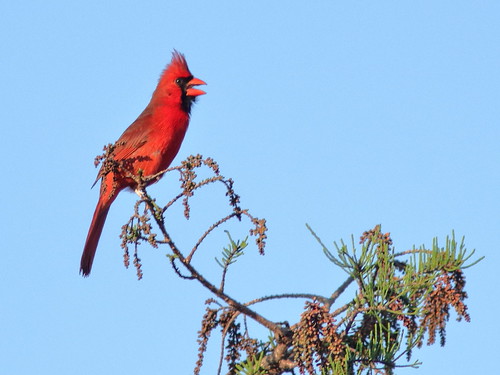
Cardinals prefer to to sing from a prominent perch. A Pond Cypress, beginning to leaf out, provides a perfect podium:
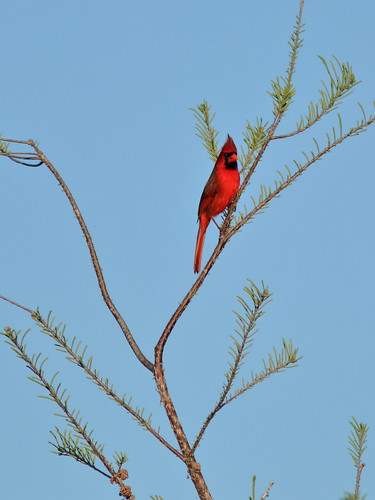

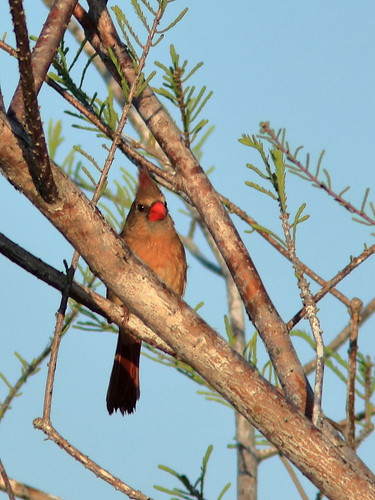
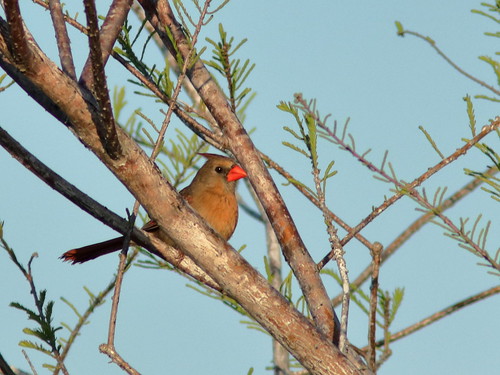
A demure female occupies a branch lower down and sings a duet with her mate:
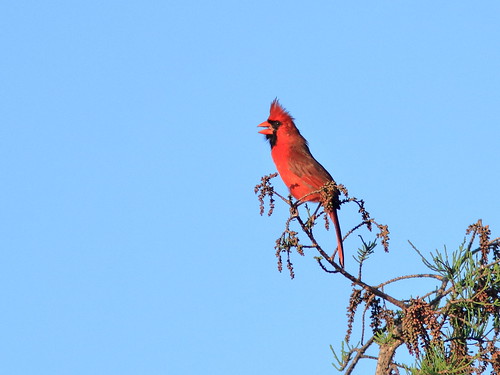
A rival male, not far away, asserts ownership of an adjacent territory:
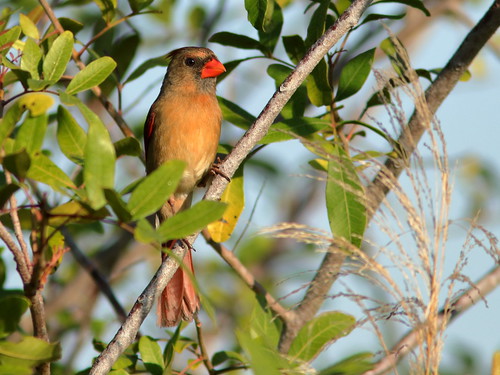
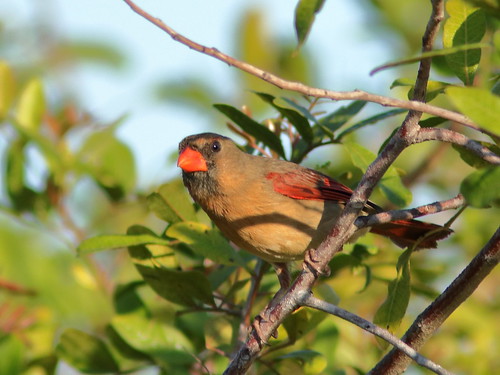
His mate is more reclusive, hidden in the shrubs:
The Worm Moon, the third and final Super Moon of 2019, sets on a cloudy morning on the first day of Spring. This was the best photo I could take before it was totally obscured. If you look closely, you will see Mary Lou walking in with her flashlight at the very bottom of the photo:
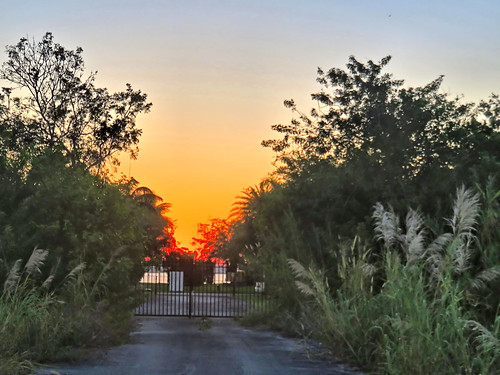
The next morning the sun rises due east in a clear sky, as seen through the fence in "Sundial Alley:"
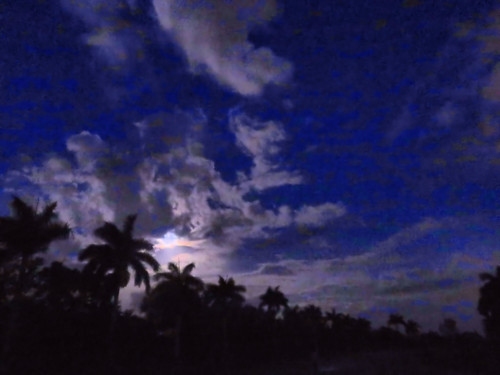
 The Moon is much higher in the sky at sunrise on March 24...

...and it soon disappears into the haze and clouds:
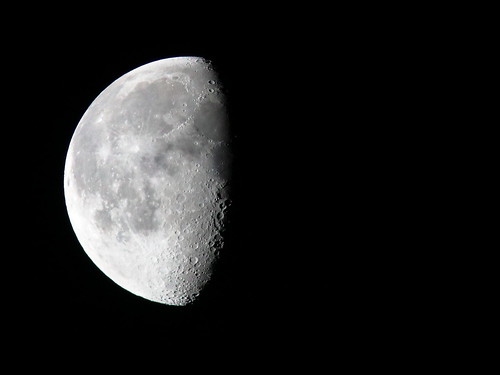
On March 26 the waning gibbous Moon...
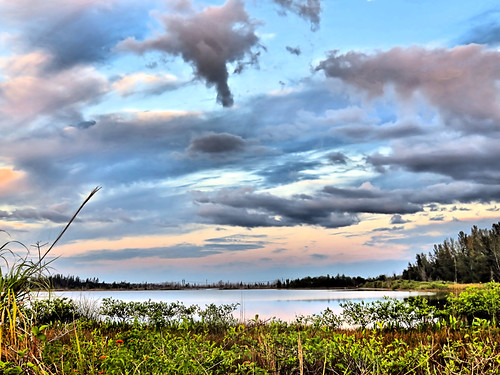
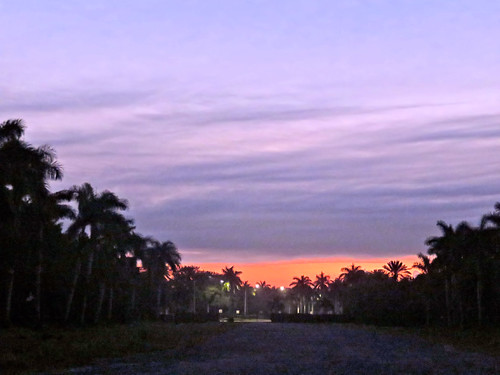
...is followed, on the opposite horizon, by a sunrise peeking out under a blanket of clouds:
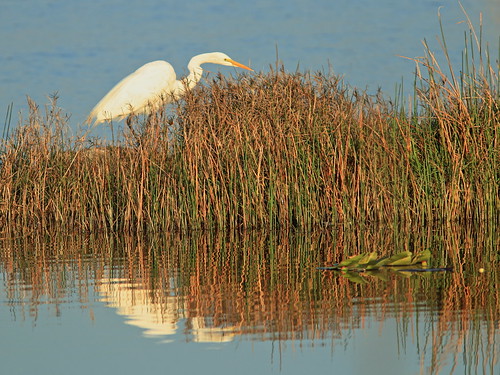
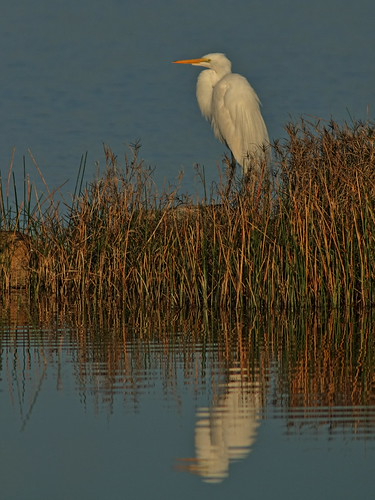
Later in the day, a Great Egret casts its reflection in morning light:
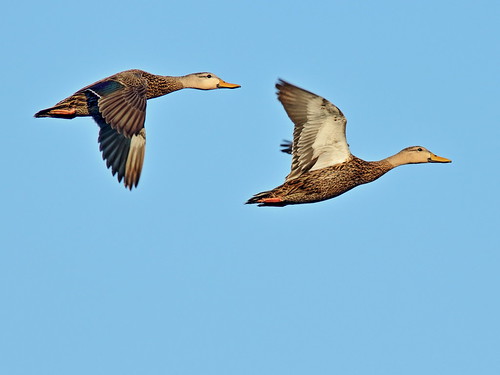
Two Mottled Ducks fly by:
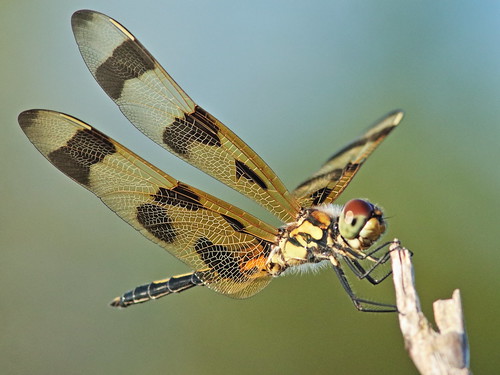
There has been a huge hatch of Halloween Pennants (Celithemis eponina). These colorful dragonflies help control the mosquitoes and midges and themselves are food for the birds, especially shrikes, kestrels and blackbirds, as well as orb-weaving spiders:
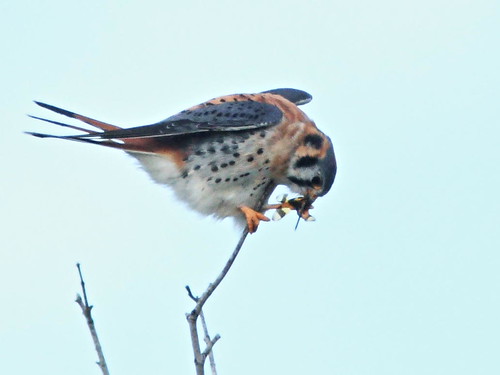
American Kestrel eats a Halloween Pennant, March 22, 2016:
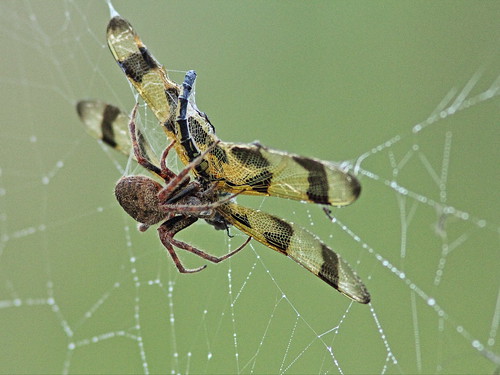
A Tropical Orb Weaver spider dispatches a Halloween Pennant, March 23, 2014:
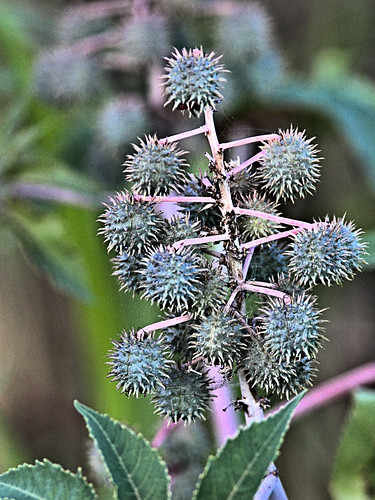
Along the path, Castor Oil Plants thrive. Their seeds are the source of ricin, a deadly poison:
 Good
news: We have been blessed by the birth of our third Great-Grandchild,
our first Great Grand-Daughter, Kennedy Lee Schneider, whose name
includes elements of those of both her parents, Kenneth and Danima Lee.
= = = = = = = = = = = = = = =
Good
news: We have been blessed by the birth of our third Great-Grandchild,
our first Great Grand-Daughter, Kennedy Lee Schneider, whose name
includes elements of those of both her parents, Kenneth and Danima Lee.
= = = = = = = = = = = = = = =
Linking to Misty's CAMERA CRITTERS,
Linking to Eileen's SATURDAY'S CRITTERS,
Linking to SKYWATCH FRIDAY by Yogi, Sylvia and Sandy
Linking to WEEKEND REFLECTIONS by James
Linking to BirdD'Pot by Anni
Linking to Our World Tuesday by Lady Fi
Linking to Wild Bird Wednesday by Stewart
Linking to Wordless Wednesday (on Tuesday) by NC Sue
Linking to ALL SEASONS by Jesh
Linking to Fences Around the World by Gosia
________________________________________________
Please visit the links to all these memes to see some excellent photos on display
________________________________________________
We will celebrate December by looking three years back, through the 713 photos I processed in December, 2015. I hope to find images which depict favorite memes: critters of all kinds, especially birds, fences, beautiful skies and reflections, and scenes which speak for themselves.
My favorite photo effect of the month was the sinuous neck of a Tricolored Heron in our back yard:

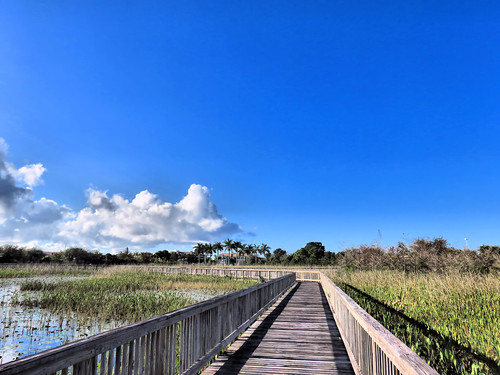
Mary Lou and I led the monthly wetlands walk along the boardwalk on the grounds of the Regional Library in neighboring Pembroke Pines:
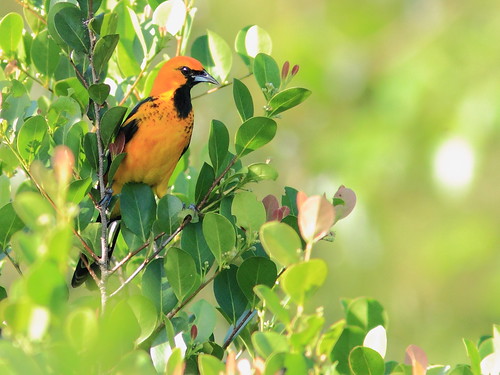
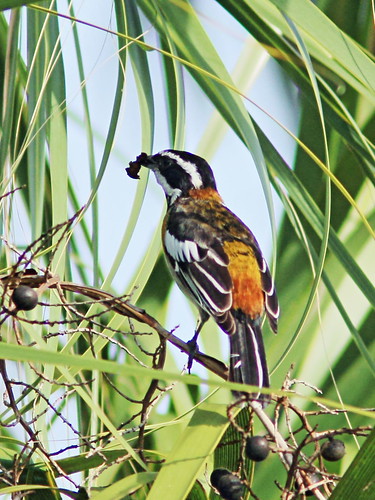
We started out the month following up on the report of an unusual species at Markham Park about 10 miles north of our south Florida home. It was a Western Spindalis, a tanager native to the Caribbean islands. We failed to find it on our first visit, but I got a "lifer" Spot-breasted Oriole. Four of them put on a good show:

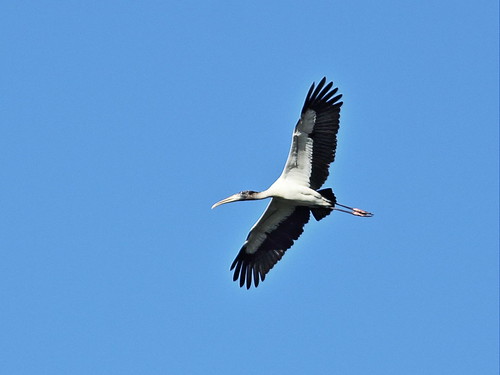
A Wood Stork flew over the park:
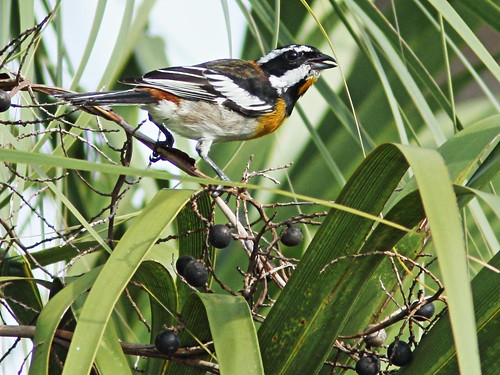
We returned to Markham Park on December 10 and were rewarded with great views of the Western Spindalis:
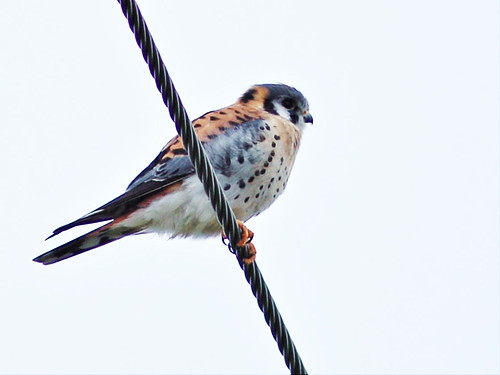
Few American Kestrels breed in far south Florida, so it was good to see these small falcons arrive for the winter:
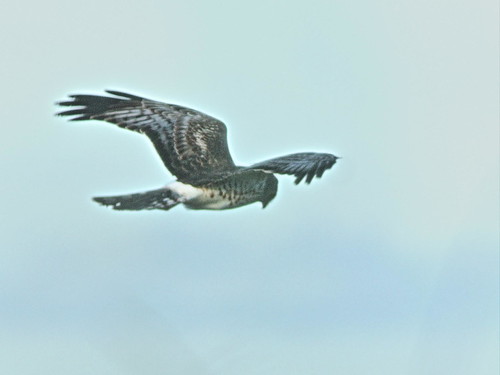
Another visiting raptor was the Northern Harrier. This is a "Gray Ghost" male:
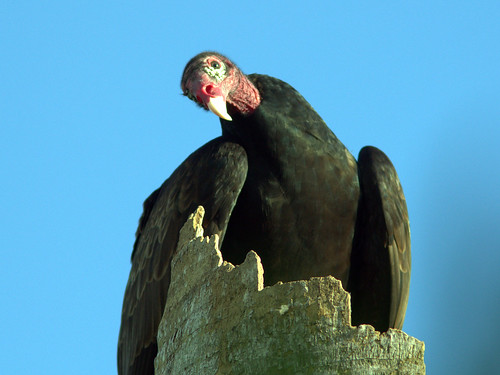
A Turkey Vulture looked down at us from the broken top of a dead palm:
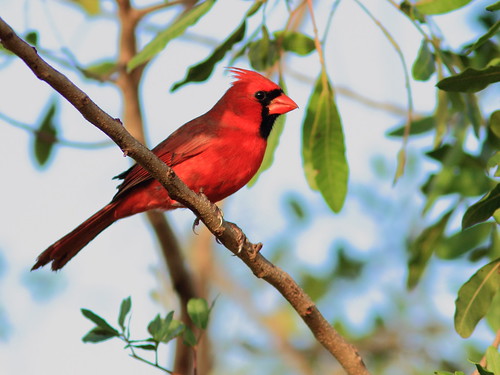
It was difficult to ignore a Northern Cardinal as it posed so nicely in good light:
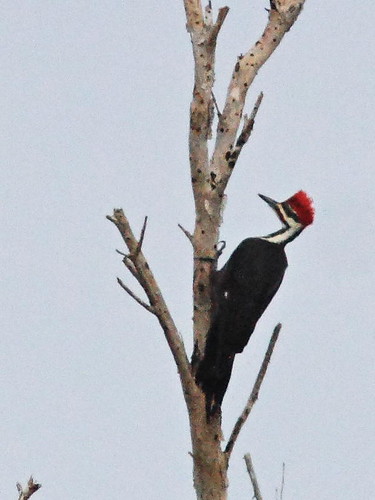
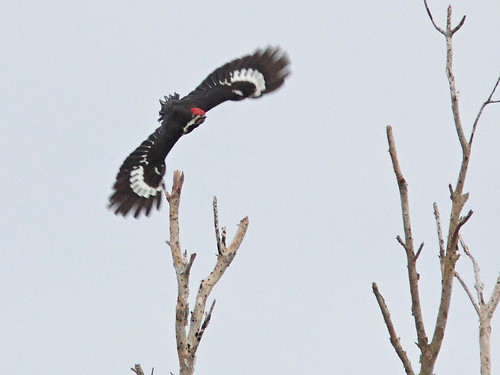
A male Pileated Woodpecker suddenly swooped down past me:
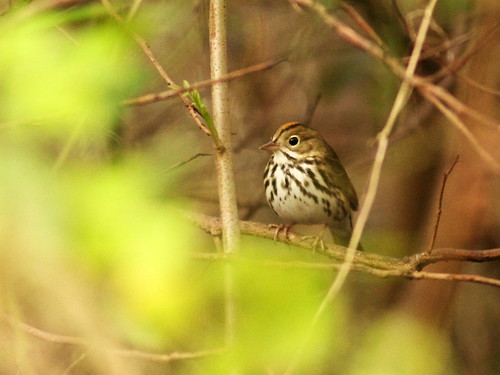
An Ovenbird peered out from the branches which formed a natural "vignette:"
The local Bald Eagles were preparing for a family. This is the male, "Pride:"

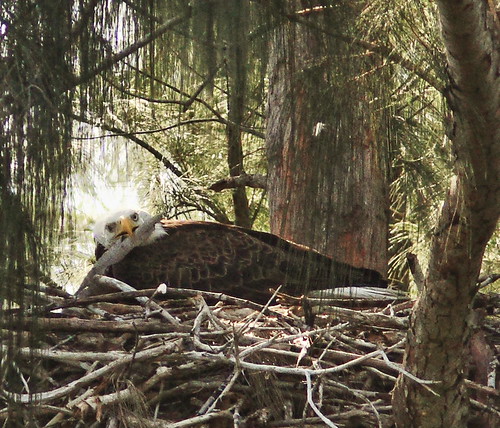
The female, "Jewel" sat deeply for a few days, rearranged the nest a bit, and laid her first egg before Christmas:
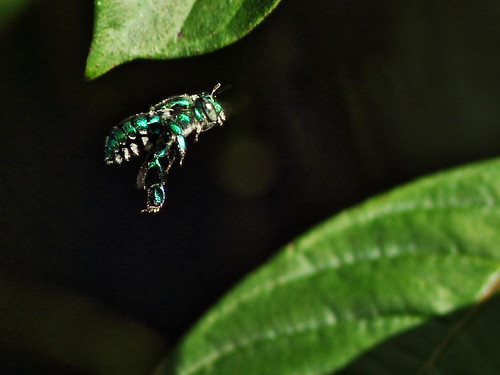
Turning to other critters, a Green Metallic Bee hovered long enough for me to obtain a clear image:
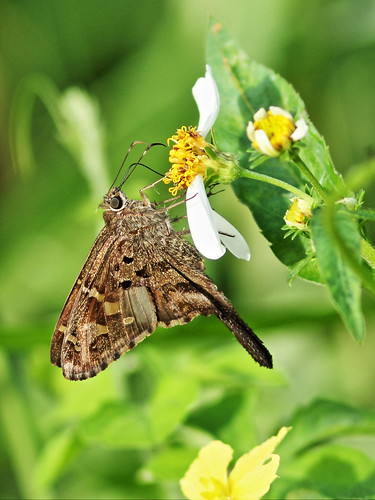
A Dorantes Longtail visited a blooming Bidens alba. The seeds of this common "weed" are troublesome Shepherd's Nettles, but it provides more nectar than any other native plant. Only the cultivated citrus trees are more productive:
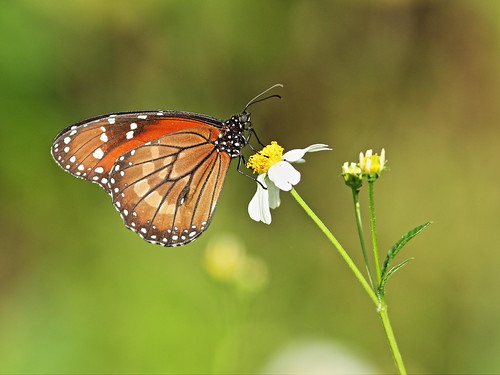
A Soldier butterfly also favored the Bidens:
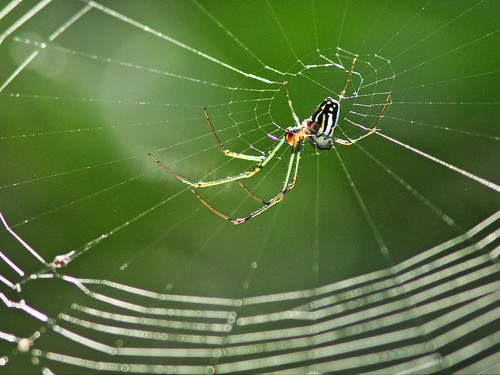
A Garden Spider tended her web:
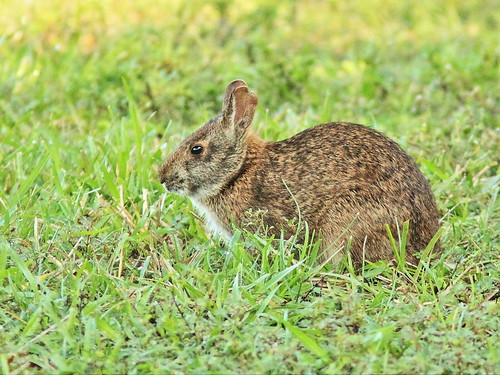
A Marsh Rabbit chewed on the grass:
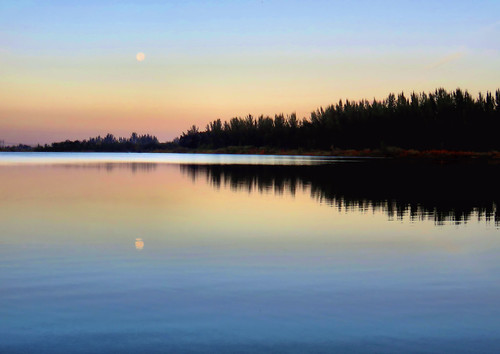
 The Christmas Moon set on the morning of December 26, with the Pine Bank reflecting on the still water:
 = = = = = = = = = = = = = = =
Linking to Misty's CAMERA CRITTERS,
Linking to Eileen's SATURDAY'S CRITTERS,
Linking to SKYWATCH FRIDAY by Yogi, Sylvia and Sandy
Linking to WEEKEND REFLECTIONS by James
Linking to BirdD'Pot by Anni
Linking to Our World Tuesday by Lady Fi
Linking to Wild Bird Wednesday by Stewart
Linking to Wordless Wednesday (on Tuesday) by NC Sue
Linking to ALL SEASONS by Jesh
Linking to Fences Around the World by Gosia
________________________________________________
Please visit the links to all these memes to see some excellent photos on display
________________________________________________