Showing posts with label Red Knot. Show all posts

Thursday, March 3, 2016

Crops & Clips: Flashback to March, 2013

Once again, this is a monthly reflection on past experiences, memories from three years ago. I will continue the "scavenger hunt" for photos which represent a few selected themes: Living CRITTERS of all kinds, beautiful SKIES and REFLECTIONS, as well as MACRO images and GOOD FENCES. I have met this challenge for the past 14 months in a row, so let's see how far I must travel into the month of March, 2013 to achieve my goal!

We began the month of March, 2013 in Illinois, helping our daughter and son-in-law as they each recuperated from independently acquired broken legs. Roly broke both legs in November and our daughter broke one of hers in January, so he is finally able to drive. They needed help caring for our two granddaughters. We were happy to oblige, but admittedly it had been a long cold month and another snowstorm rolled into Chicagoland.

Their back yard was a winter wonderland for the birds. A female Northern Cardinal peered around the corner of the feeder:
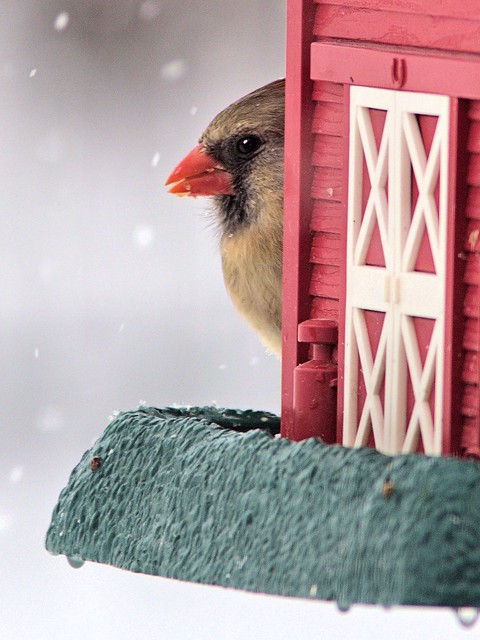
Northern Cardinal 20130305

Northern Cardinal 3-20130305

There were flocks of American Tree Sparrows:
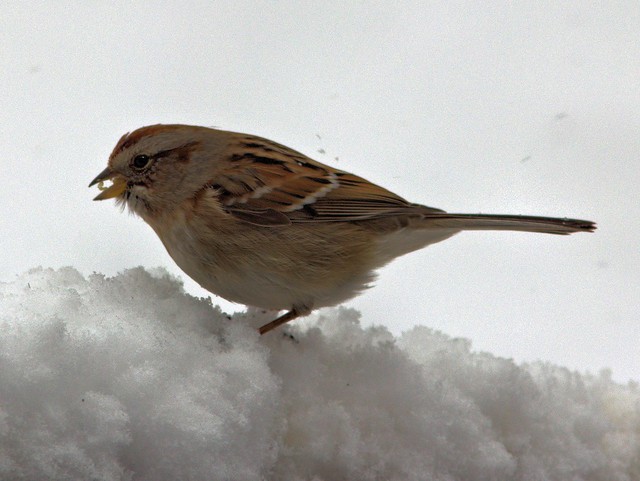
American Tree Sparrow 20130305

A Dark-eyed (Slate-colored) Junco perched on the feeder support:
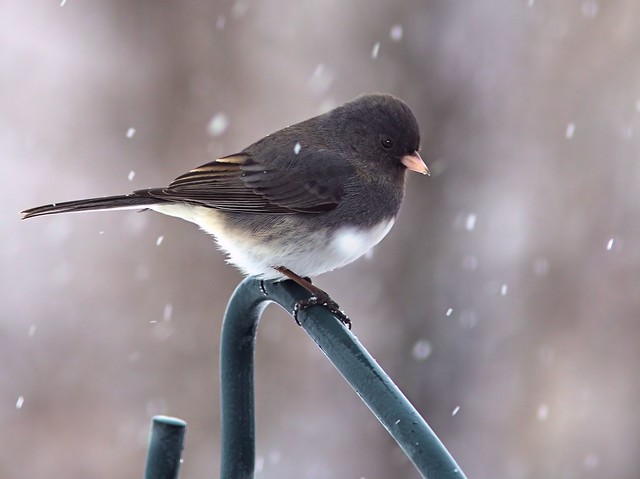
Dark-eyed Junco 2-20130305

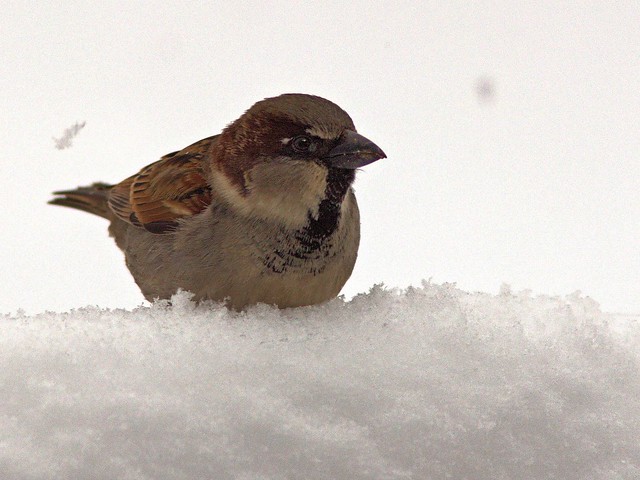
A Black-capped Chickadee and a male House Sparrow waited their turns:
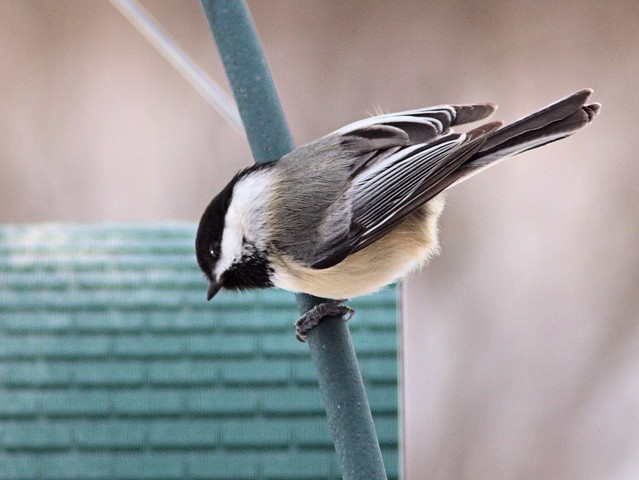
Black-capped Chickadee 2-20130305

House Sparrow 20130305

This first year male Red-winged Blackbird tried to dominate the gathering:
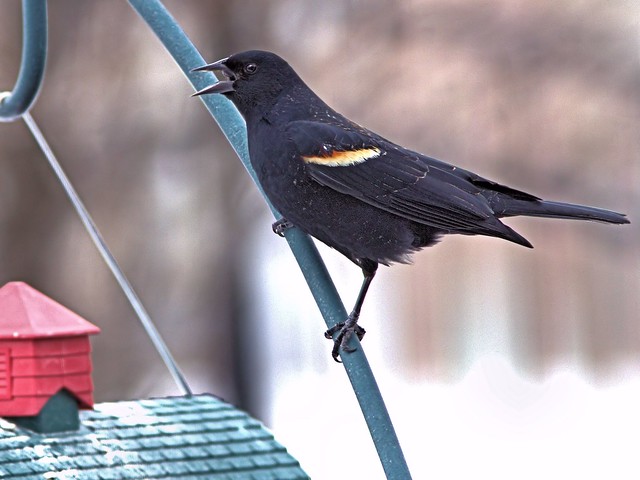
Red-winged Blackbird 2-20130305

Agramonte, the older Tibetan Mastiff, had grown a full mane and looked more like a lion than ever:
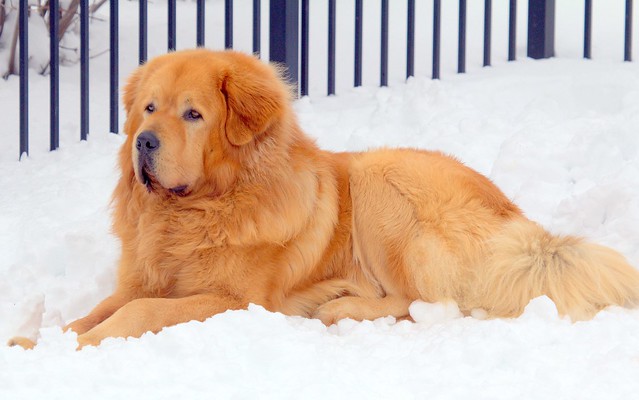
Agramonte 2-a20130306

Sagua, his little "sister" was also very much at home in the snow:
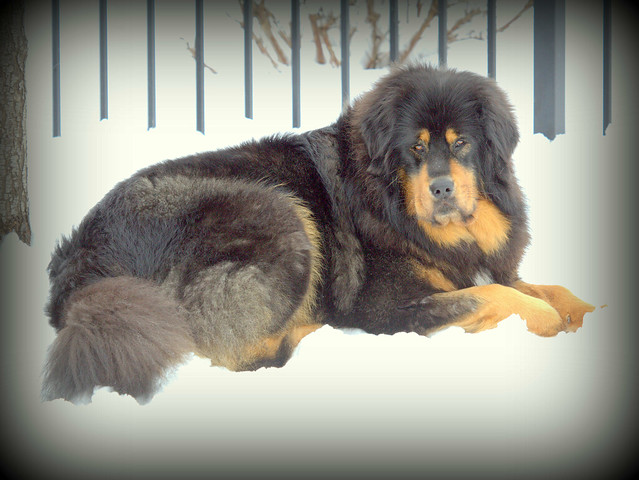
Sagua 20130306

Back in Florida, we soon traveled to enjoy a few nights in Marco Island on Florida's southern Gulf Coast. On the way out we visited National Audubon's Corkscrew Swamp Sanctuary :
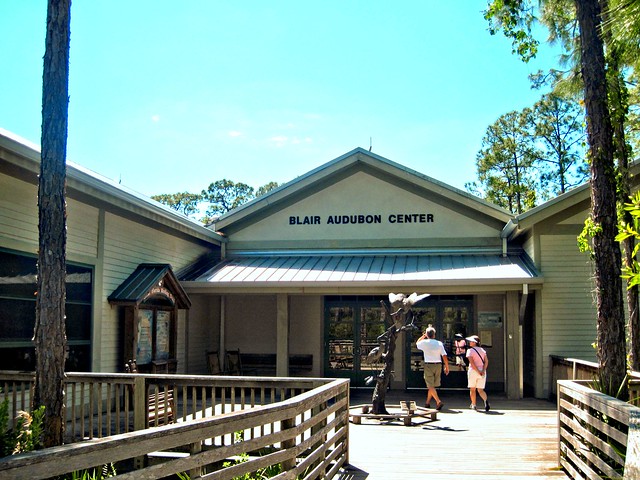
Corkscrew Blair Center HDR 20130310

Corkscrew Swamp Boardwalk HDR 20130310

Seeking Painted Buntings, we were not disappointed:
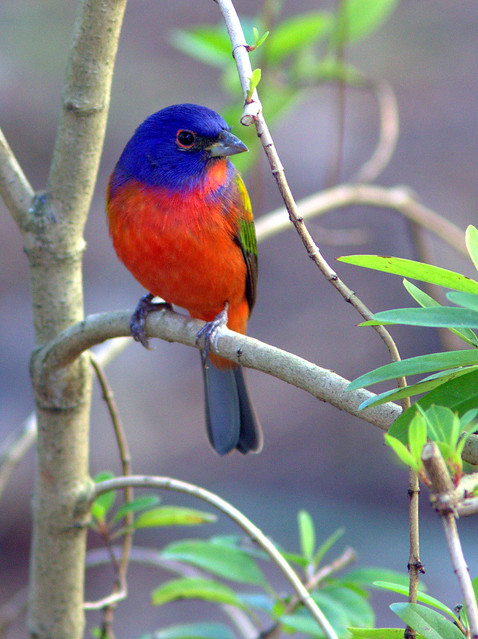
Painted Bunting 2-20130310

A Red-bellied Woodpecker visited the feeder:
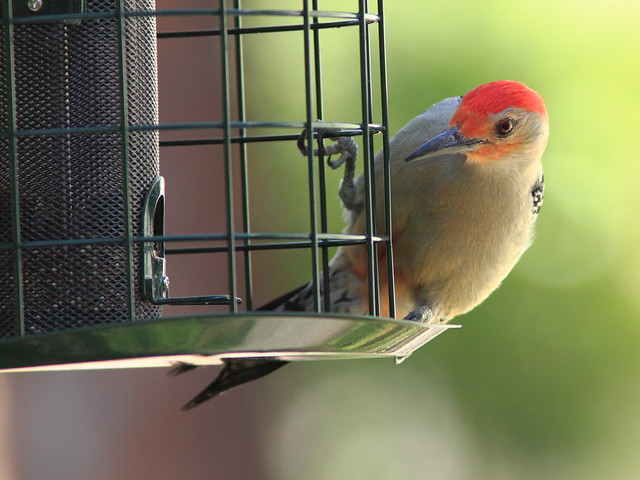
Red-bellied Woodpecker 20130310

A Common Ground-Dove cleaned up any seed which spilled out:
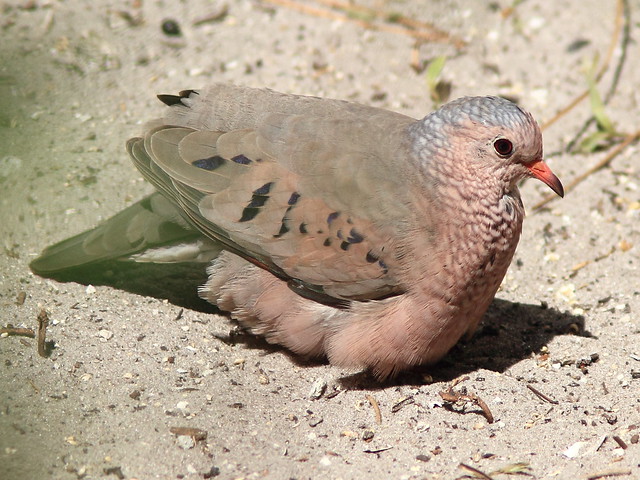
Common Ground-Dove 2-20130310

Another highlight of our Corkscrew visit was this Barred Owl:
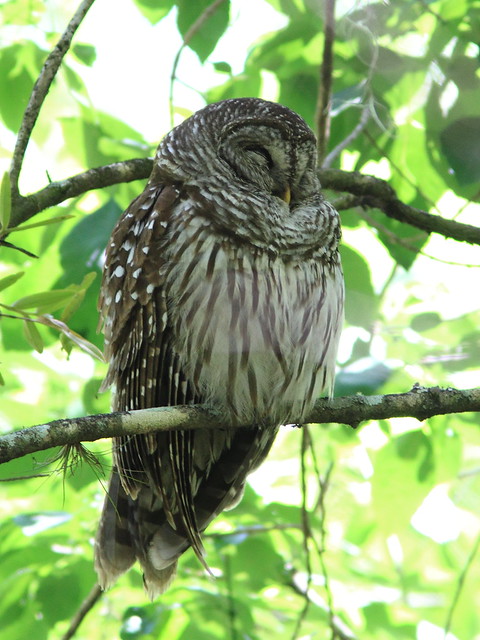
Barred Owl 20130310

I've only reached March 10 and have found my MACRO of a wild Iris at Corkscrew: 
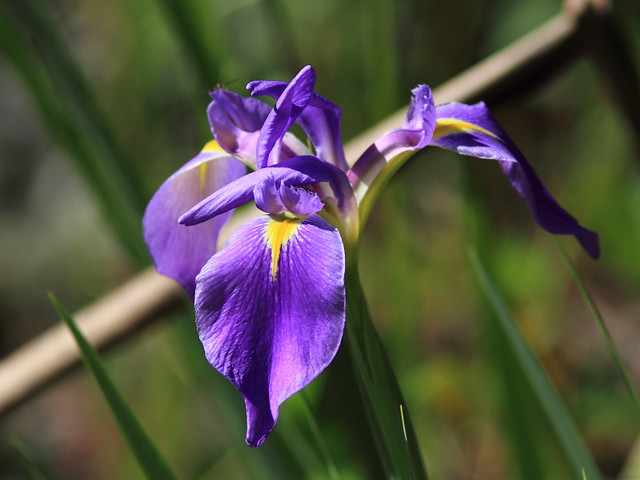
Iris 20130310

Marco Island was a delight, and quite a change from Illinois! On the beach we saw lots of birds, including Semipalmated plovers...

Semipalmated Plover 2-20130311

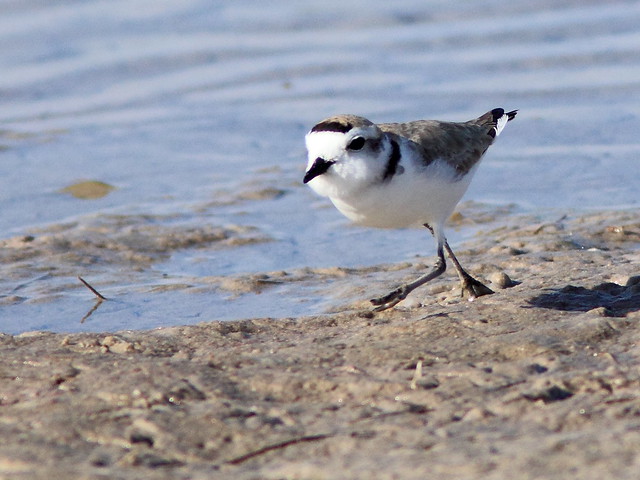
...a tiny Snowy Plover...

Snowy Plover 2-20130311

...Red Knots (this one wearing two bands, one with a blue flag which we later found had been applied in New Jersey back in 2005)...

Red Knot 2 bands 3-20130311

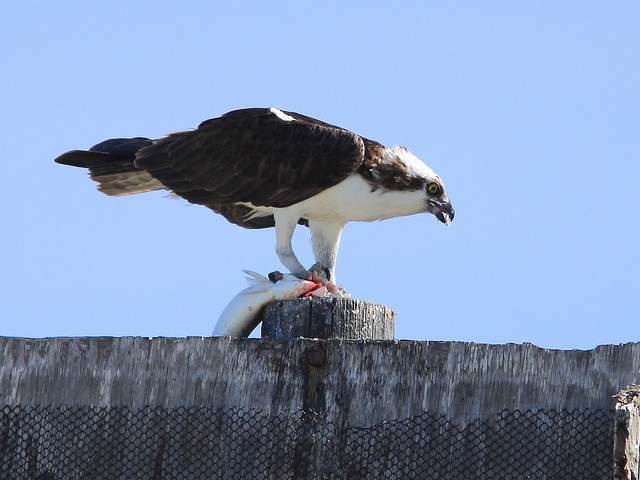
...and an Osprey enjoying a fish:

Osprey 20130311

At Rookery Bay Preserve, this large Gopher Tortoise crossed the road in front of us:

Gopher Tortoise 20130311

On the way home, a stop at Big Cypress Preserve yielded a nice shot of a Carolina Wren:
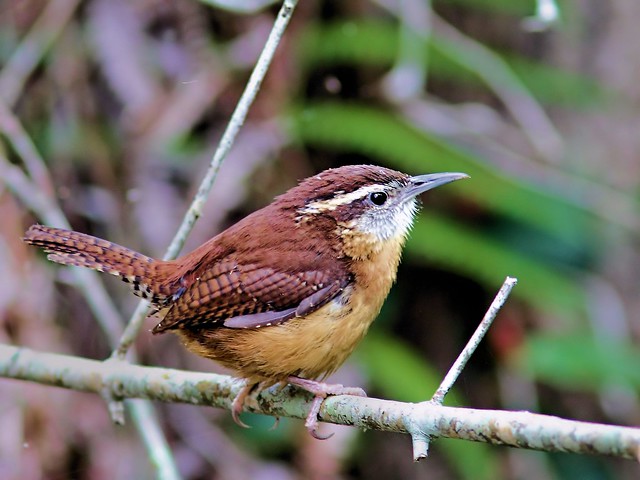
Carolina Wren 20130312

Clearly visible from the Big Cypress boardwalk was this nest containing a juvenile Bald Eagle, ready to take its first flight:
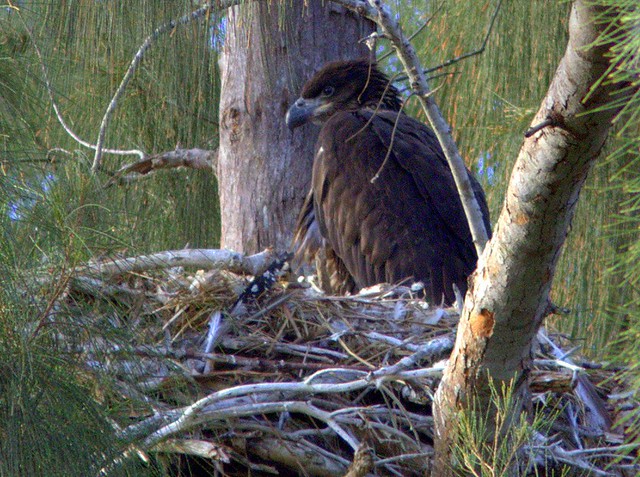
Bald Eaglet 2-20130310

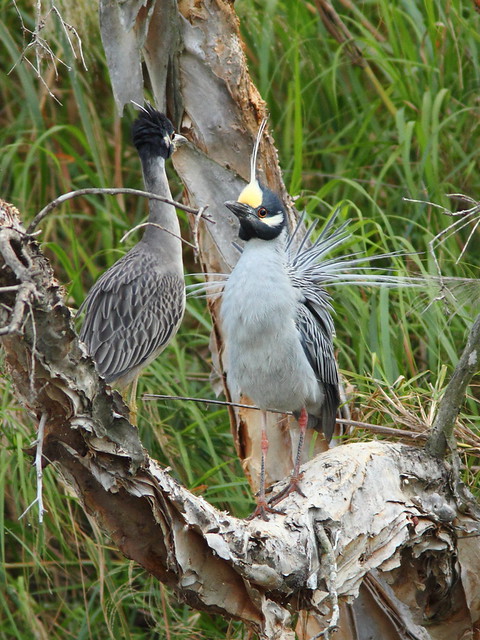
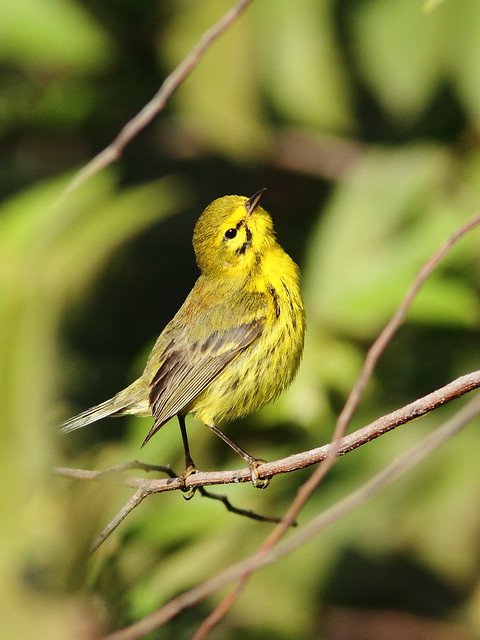
Back home I found a very photogenic Prairie Warbler, and Yellow-crowned Night-Herons were performing courtship displays in the local rookery:

Prairie Warbler 20130315

Yellow-crowned Night-Herons display 2-20130315

This Red-winged Blackbird was in full breeding plumage as it creaked its "song:"
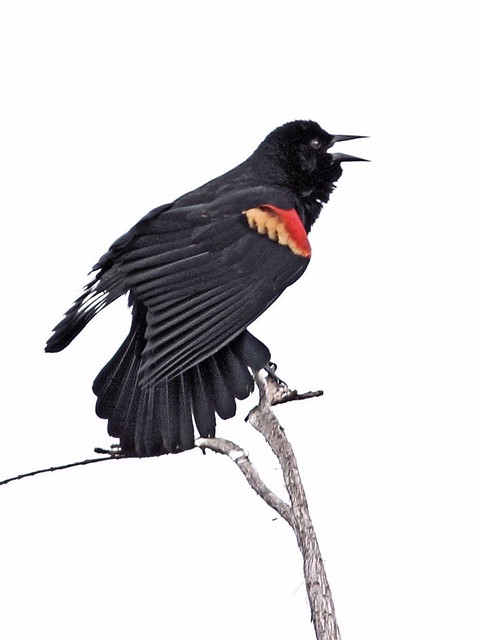
Red-winged Blackbird 20130318

My first SKY photo was taken on March 18 in the local wetlands..

Harbour Lake impoundment HDR 20130318

...and on March 20 I captured a nice REFLECTION of a pair of Mottled Ducks:
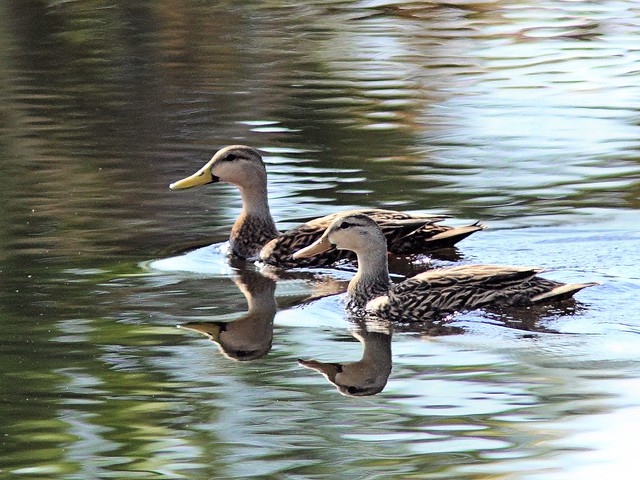
Mottled Ducks COREL 20130320

That day, our Mango tree was in bloom and the butterflies were out:
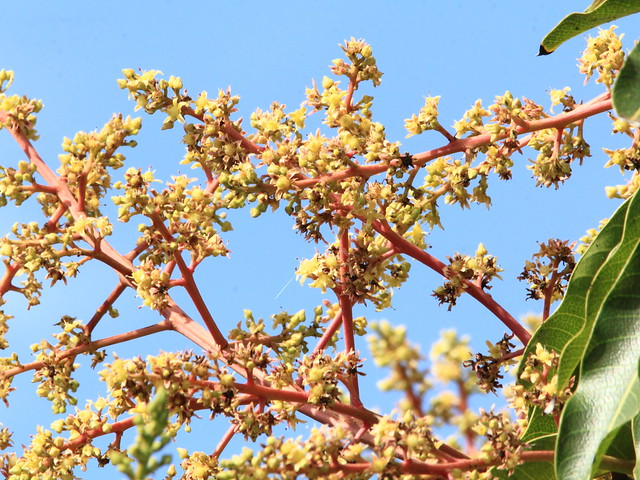
Mango blossoms 20130320

Zebra heliconian:

Zebra heliconian 2-20130320

I still am not sure whether this is a Pearl, a Phaeon or a Cuban Crescent:
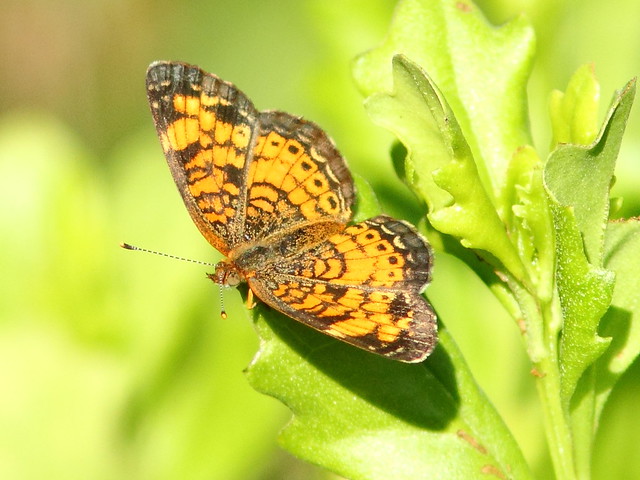
Pearl Crescent 20120320

The month ended with a bit of drama, as the lone eaglet in our local nest fledged on March 25 and went missing until it reappeared at the nest on April 2. The parents left food on the nest to entice it. Here a parent bird roosts, awaiting its return:
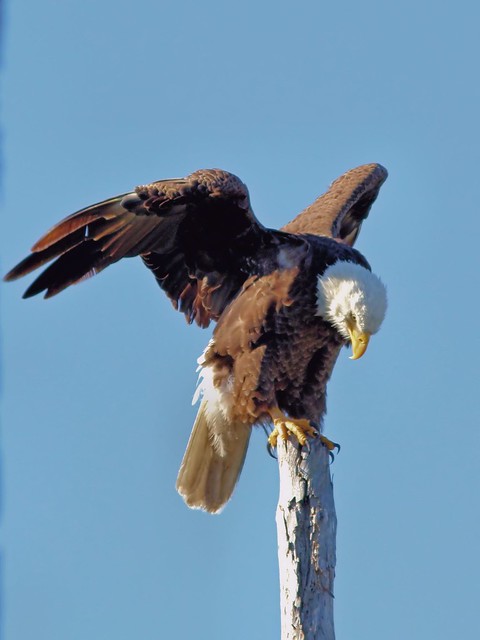
  
Bald Eagle roosting 7-20130328

Our Son-in-Law serves on the Board of CASA (Court-appointed Special Attorneys) of Kane County, Illinois. Mary Lou and I joined them at the annual Gala. This photo does not show the splints and casts on their legs or their canes. Thankfully they both healed very well!
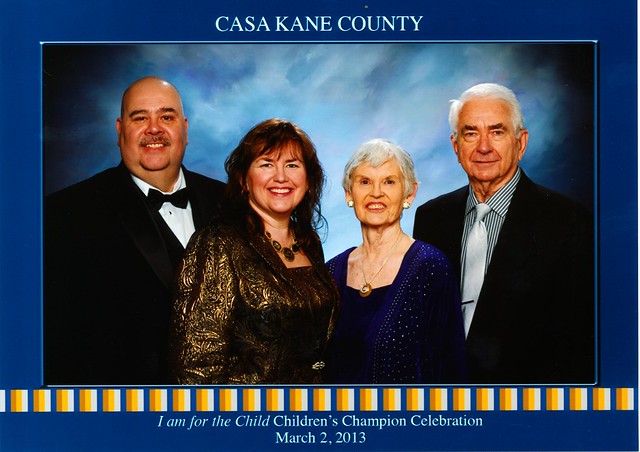
2013 CASA Kane County Gala Photo 001

= = =  = = =  = = = =  = = = = =

Linking to Misty's  CAMERA CRITTERS,

Linking to Eileen's SATURDAY'S CRITTERS,

Linking to GOOD FENCES by Tex (Theresa). 

Linking to SKYWATCH FRIDAY by Yogi, Sylvia and Sandy

Linking to WEEKEND REFLECTIONS by James

Linking to BirdD'Pot by Anni

Linking to Wild Bird Wednesday by Stewart
________________________________________________

Please visit the links to all these memes to see some excellent photos on display

________________________________________________

Saturday, March 23, 2013

A Knot in Tigertail

There was a new moon on March 11, when large numbers of Horseshoe Crabs emerged to lay their eggs. Mary Lou and I saw this Red Knot at Tigertail Beach, Marco Island in southwest Florida. It has a blue flag on its left leg with the letters TNP and a yellow band on its right leg. Its plumage is quite faded, not showing any of the warm salmon hues that develop by May. 

This species takes one of the longest known migratory flights, traveling 9,300 miles from its breeding grounds in the Arctic to Tierra del Fuego at the southern tip of South America. In spring it depends on the availability of Horseshoe Crab eggs, moving northward up the Atlantic coast in step with the latter's egg-laying cycle which peaks every two weeks with each full and new moon.

I visited the http://report.bandedbirds.org/ website and discovered that this bird was first captured and banded in Avalon, New Jersey on November 11, 2005.  In November of the next three years it was sighted on the New Jersey coast; in 2009 it appeared in Virginia in May, then back in New Jersey in August. There were no sightings in 2010, but multiple sightings were reported back in Avalon, New Jersey during November, 2011. The only sighting during 2012 was on a New Jersey beach. 

Then it turned up on Tigertail Beach on February 27 of this year, lingering here for at least two weeks to refuel. (Click on photos for enlarged views)
Red Knot 2 bands 20130311
Tigertail was the nickname of Thlocklo Tustenuggee, a Florida Seminole Indian Chief who was honored as a "War Leader" during the Second Seminole Indian War. Tigertail was known for wearing a long belt cut from panther skin that trailed down from his waist like a tail. His name is found on several streets and neighborhoods up the Florida coast.

The knot was the first I have ever photographed, and I was rewarded with three more "first photos." Two were plovers. Several tiny Snowy Plovers ran along the shore like wind-up toys. Since they nest on beaches they are subject to disturbance and require protection during the breeding season.

Snowy Plover 2-20130311
Wilson's Plover was another bird I had not yet photographed. This is an adult male. Note its large black bill and pale pinkish legs. They are half again larger than the Snowy Plover, weighing in at a little over 2 ounces.
Wilson's Plover 20130311
The female Wilson's Plover is much paler in color.
Wilson's Plover immature 20130311
The male Wilson's Plovers were singing loudly. Listen to this brief video clip. I had never before heard their song.
Similar in plumage but smaller, the 1.6 ounce Semipalmated Plover sports a shorter two-tone bill and brighter orange legs. It owes its name to the fact that its toes are only partially webbed.
Semipalmated Plover 2-20130311 The Black-bellied Plover is our largest plover, weighing in at about a half pound (six times the weight of the tiny Snowy Plover). Black-bellied Plover 20130301 I We also saw Killdeer, making it a five-plover day. Other shorebirds included the Ruddy Turnstone... Ruddy Turnstone 2-20130311 ...numerous Dunlins... Dunlin 20130311  ...Sanderlings... Sanderling 20130201 ...a Willet... Willet 2-20130311 ...Least Sandpipers, with tell-tale yellow legs... Least Sandpiper 20130311 ...and two Short-billed Dowitchers that probed the mud in sewing-machine fashion, gobbling up the Horseshoe Crab eggs. Short-biled Dowitcher 3-20130311 An Osprey nest at the edge of the dunes contained some clothing and an unusual fishing accessory. Ospreys equipped to go fishing 20130311  White Ibises competed for crab eggs  at the water's edge. wHITE iBIS 20130311 Brown Pelicans dove for fish offshore. Brown Pelican 3-20130311 Just outside the entrance to the beach, Burrowing Owls nested in vacant lots. They were provided with low T-shaped roosts and orange tape was placed around their homes to discourage close approach.  
Burrowing Owl 2-20130311 
This one struck an interesting pose.. Burrowing Owl 4-20130311