The month of November, 2016 started on a sad note. MaryLou's oldest brother who lived in Tucson, Arizona was recuperating from complications which followed a leg fracture. We planned to visit him and made flight reservations, also hoping to do some birding while out there. His condition suddenly deteriorated the day before our scheduled arrival. He had turned gravely ill with pneumonia and sepsis.
We flew out the first day of November and visited him that evening in a rehabilitation facility. He was very weak but alert and involved with events surrounding the World Series and the presidential election. We stayed at nearby Davis-Monthan Air Force Base and visited with him the next morning. We planned to spend more time with him, but he passed away that night.
We had reservations to return to Florida on November 4 and had time to briefly visit Sweetwater Wetlands and the Arizona-Sonora Desert Museum before flying home.
I had to pore over nearly 1,000 processed photos from November to highlight favorite memes, such as critters (plenty of birds!), skies, reflections, flowers, fences and scenes which speak for themselves.
My first images were from Sweetwater Wetlands. Our visit was much too brief, given the circumstances.
Yellow-headed Blackbirds flew overhead:


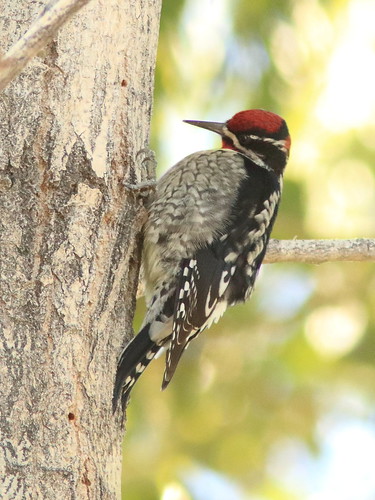
The Red-naped Sapsucker is the western counterpart of our Yellow-bellied Sapsucker:

The Verdin inhabits thorny shrubs in the arid lands of southern Arizona:

Long ears serve to dissipate body heat of the Desert Cottontail:

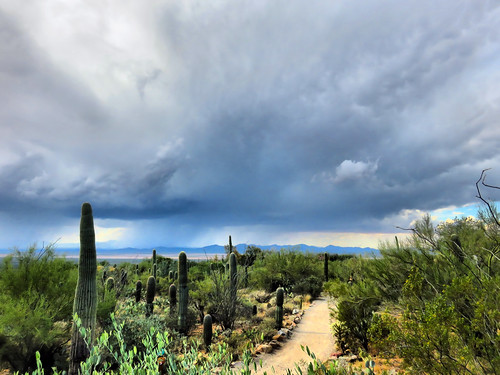
The next morning, rain was threatening when we visited the Arizona-Sonora Desert Museum, but most of it evaporated before reaching the ground:


Cactus Wrens were common:


Butterflies included a Common Checkered-Skipper:

Back home in Florida, our winter resident birds were settling in. Among them was a fairly rare Bell's Vireo:

Marsh Wrens appear irregularly during the winter months:

Eastern Phoebes stay for the winter:

This phoebe is dwarfed by the heavy guard rail fence along the "road to nowhere:"

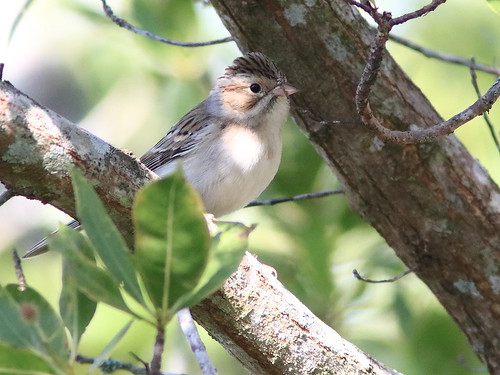
Clay-colored Sparrows made their first (and so far only) appearance in our local wetlands:

Wintering Palm Warblers were numerous:

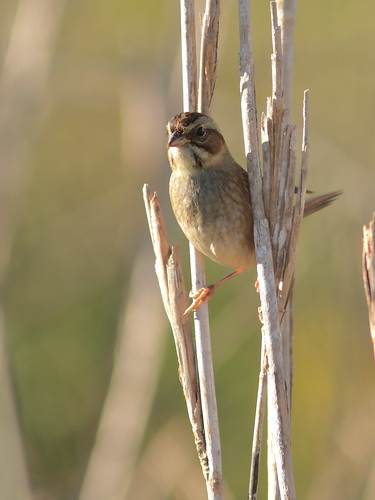
Swamp Sparrows were reliably present but few in number:

Female Ruby-throated Hummingbird:

Sharp-shinned Hawk:

Dark morph of a Short-tailed Hawk:

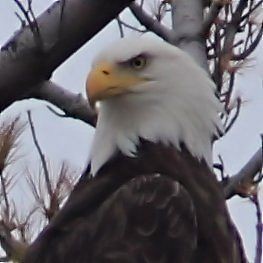
The local pair of Bald Eagles, after losing their first brood earlier in the year, had successfully reared one eaglet which remained dependent well into September. Now they were refurbishing their nest in preparation for the new season:

A large male Bobcat was visiting, probably meeting up with one of the resident females:

Zebra heliconian at the flower of a Firebush (Hamelia patens):

A "mirrored sunrise" on November 27 is an illusion caused by convergence of the parallel rays of the rising sun on the opposite (western) horizon. Conditions are best when the sky is clear overhead but the tops of storm clouds over the Atlantic Ocean break up the light to form the rays:

The sky was clearing up after a rain storm on November 28:
 = = = = = = = = = = = = = = =
Linking to Misty's CAMERA CRITTERS,
Linking to Eileen's SATURDAY'S CRITTERS,
Linking to SKYWATCH FRIDAY by Yogi, Sylvia and Sandy
Linking to WEEKEND REFLECTIONS by James
Linking to BirdD'Pot by Anni
Linking to Our World Tuesday by Lady Fi
Linking to Wild Bird Wednesday by Stewart
Linking to Wordless Wednesday (on Tuesday) by NC Sue
Linking to ALL SEASONS by Jesh
Linking to Fences Around the World by Gosia
________________________________________________
Please visit the links to all these memes to see some excellent photos on display
_______________________________________________
Once again I am looking back three years and remembering how it was then, and maybe what I might expect this time around. My archives contain 410 photos processed that month. As usual I will look for my favorite memes-- birds and other critters, beautiful skies and reflections, fences, signs of the season, and maybe a few shots which speak for themselves.
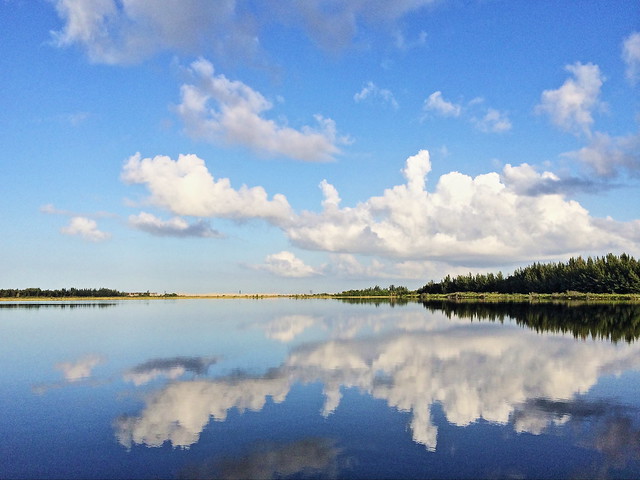
Back in 2014, we started the month at our permanent home in Florida but in mid-month returned to our second home, a condo in Illinois. A little after sunrise on September 1, the winds were calm and the skies fair over the lake in our local wetlands.
Later in the morning we stopped by the neighborhood Bald Eagle nest and found that both adults were at the nest and bringing in sticks to renovate it. Usually this activity begins later in the month or in early October. The female, whom the eagle watchers had named "Joy," perched atop a Melaleuca snag and spread her wings (click on photo for more and larger views):
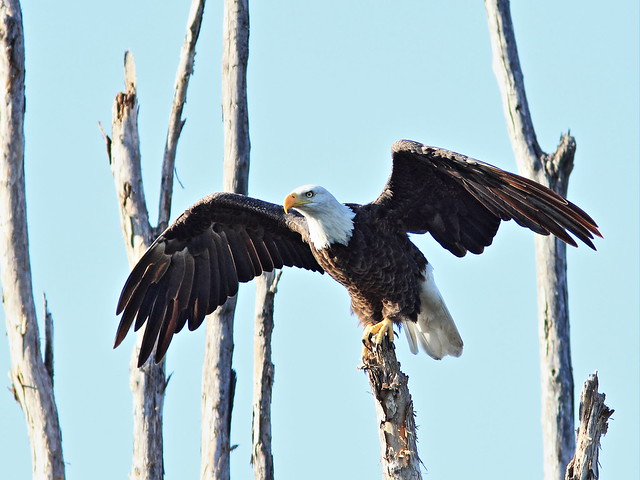
This is the male, Pride (no, he is not really that close to the tree!):

Joy, whom we had been following for six years, was known to have produced at least 13 eaglets (11 of which survived to fly freely). Sadly, she would disappear at the end of October. We were never sure of her fate.
Pride was left without a partner. In early December a new and younger female appeared at the nest. Courtship and mating followed, but if "Jewel" deposited any eggs she never sat on the nest. For the first time since 2007 the entire breeding season would pass without any new eaglets.
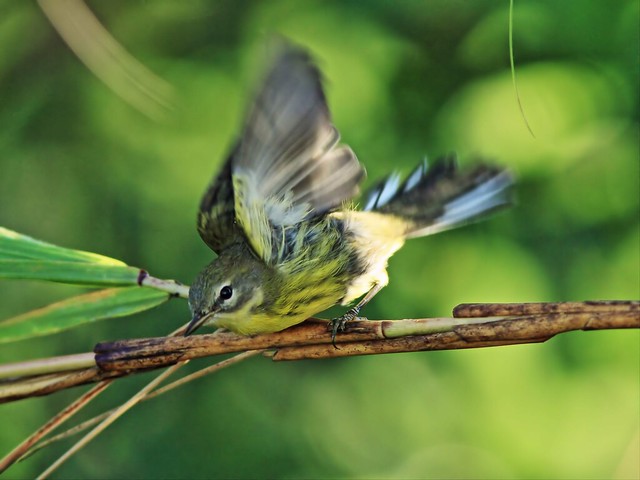
Two days later I caught a much smaller bird in the act of spreading his wings, a Prairie Warbler:
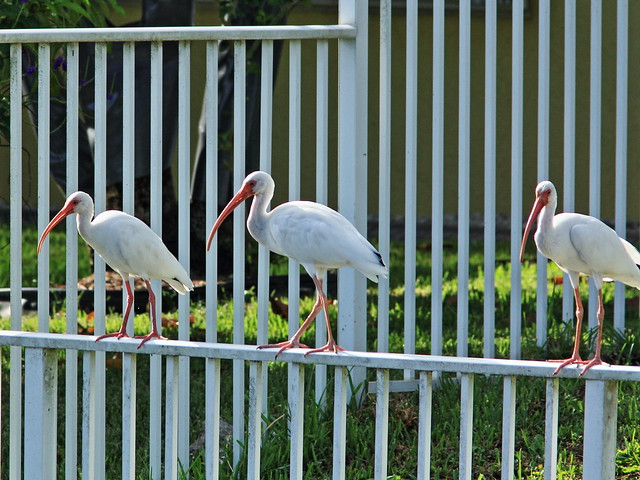
On September 5 a small flock of White Ibises roosted on a neighbor's fence:
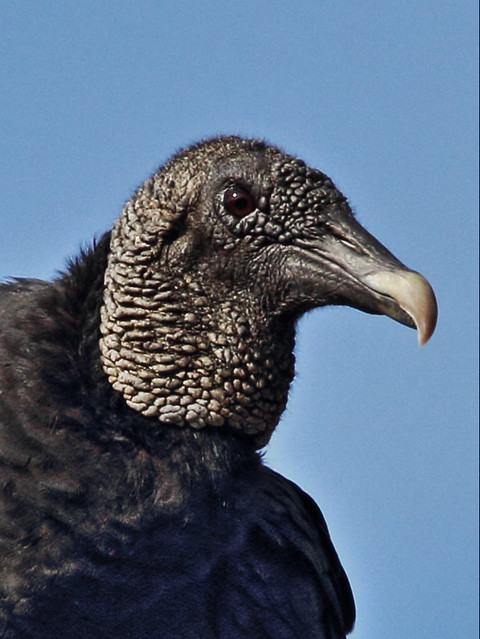
A Black Vulture posed for a portrait. Maybe he heard me say that he is not so ugly after all!
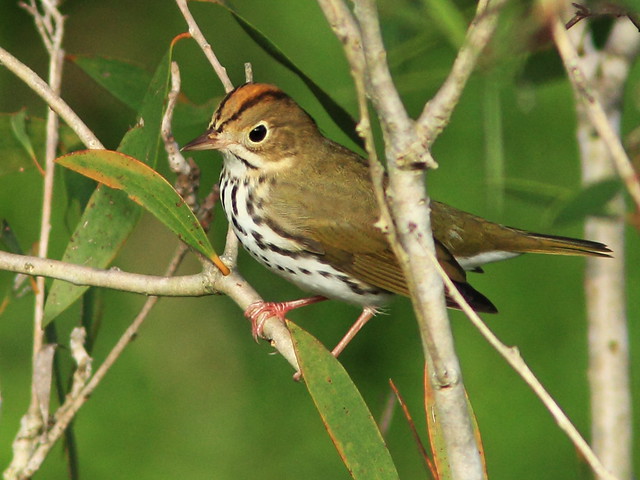
On September 15, just before we were to depart for Illinois, migrating Ovenbirds passed through:
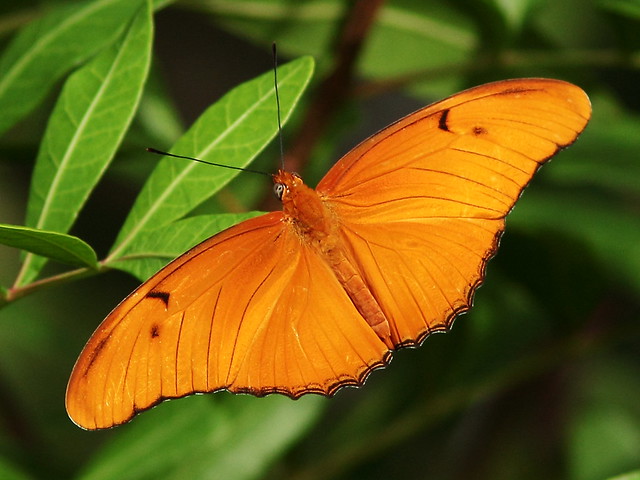
On the same day, parting shots at a pair of Florida butterflies, a male Julia longwing...
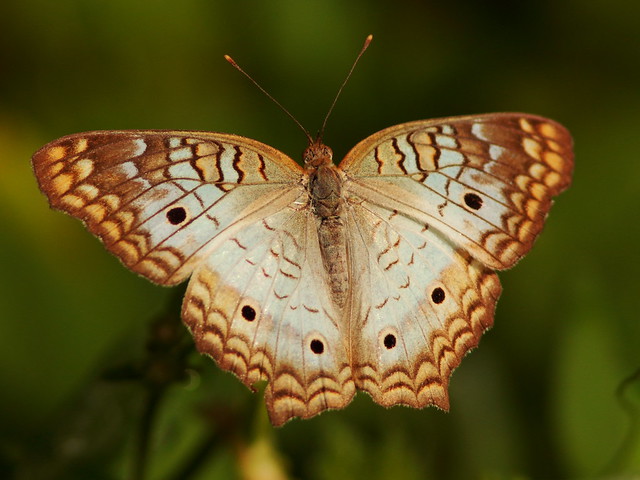
...and a White Peacock:
The Chicago skyline on the approach to Midway Airport on September 17:

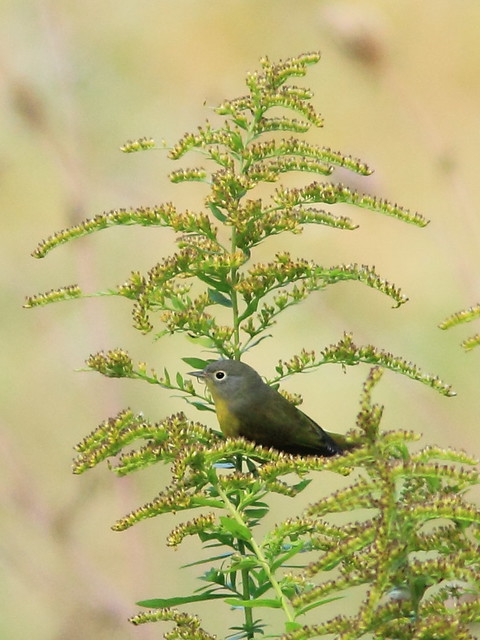
In Illinois, the air was crisp and the light a bit different. Though not a "field guide" illustration of the species, I liked the way this Nashville Warbler fit the frame:
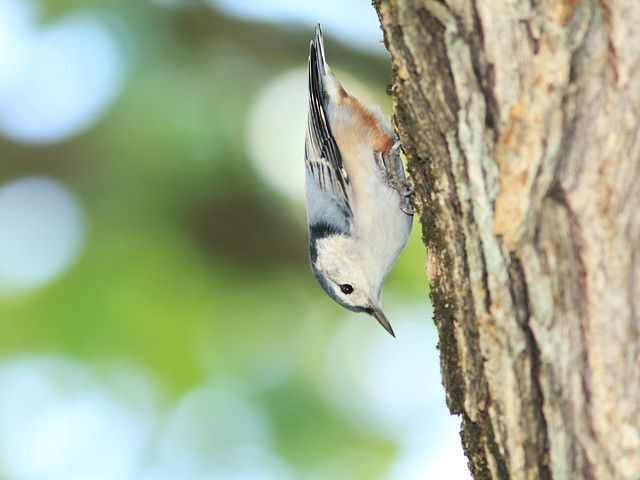
In a classic pose, a White-breasted Nuthatch took a different view of the world:
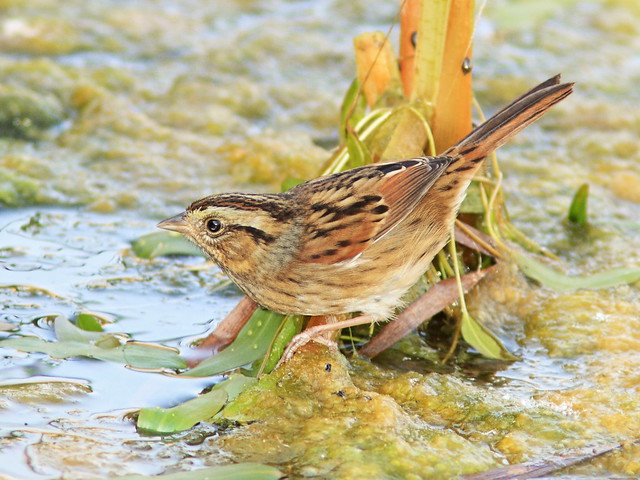
In a small marsh not far from our condo, I enjoyed the natural sepia tones of a Swamp Sparrow...
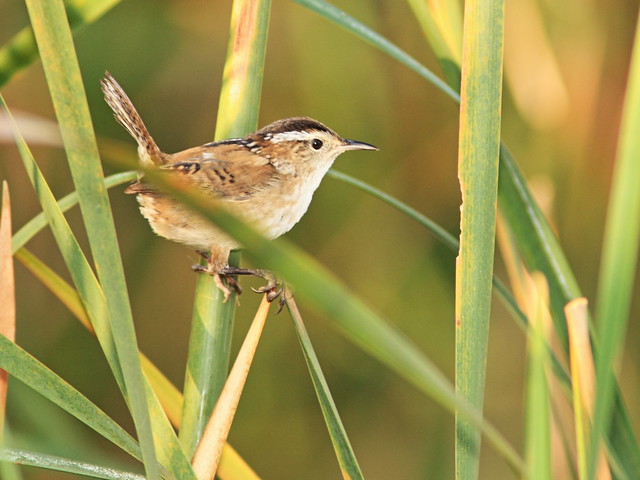
..and a Marsh Wren, ...
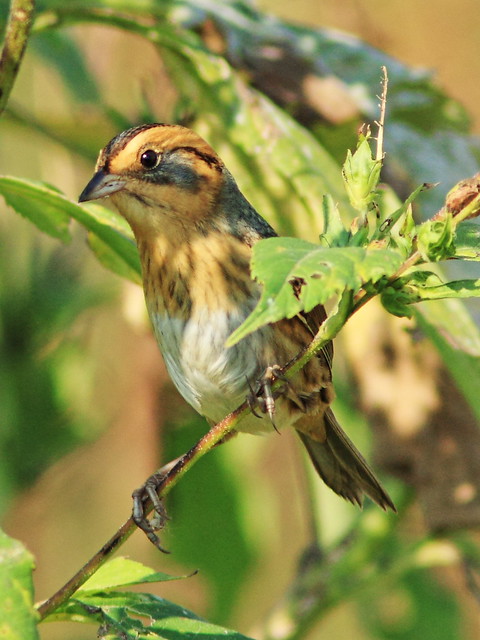
...but a Nelson's Sparrow was more elusive:
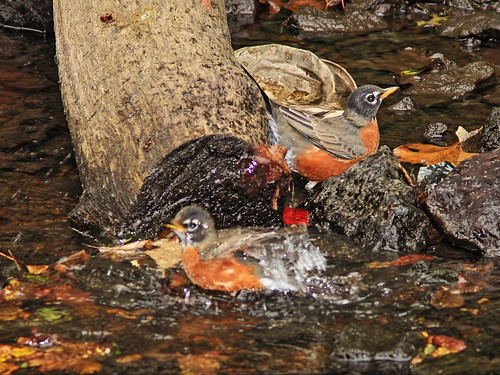
On the last day of September, the temperature had dropped 20 degrees. Hundreds of American Robins seemed to appear out of nowhere. Some bathed in a small stream:
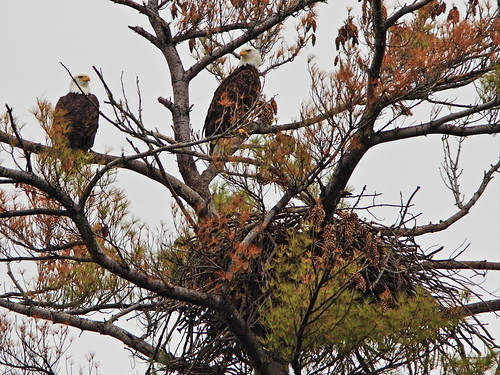
On the way home we stopped by a Bald Eagle nest only a mile away from our Illinois condo. As was the case with the one near our Florida home, it was the first in the county, having been established on the grounds of a residential boys' school only about 4 years previously.
The nest was built in a dying pine tree the middle of a sport stadium parking lot. I fear that the tree will need to be removed, as now, three years later, it is entirely dead and may present a hazard to public safety:
This cameo portrait was captured from a distance:
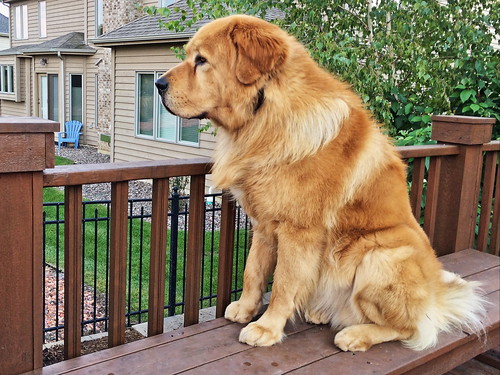
Agramonte, our daughter's Tibetan Mastiff, kept an eye on me as I barbecued steaks on their back deck:
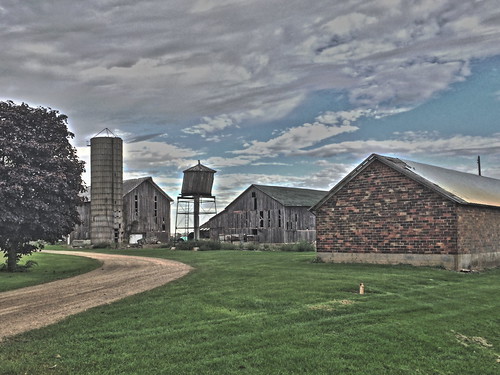
An old barnyard:
 I prepared this post in advance as the ferocious Hurricane Irma appeared to be on a collision course with south Florida. We shuttered our home and evacuated on short notice. Right now (September 6) Mary Lou and I are seeking refuge three time zones away in mile-high Albuquerque, New Mexico.
= = = = = = = = = = = = = = =
I prepared this post in advance as the ferocious Hurricane Irma appeared to be on a collision course with south Florida. We shuttered our home and evacuated on short notice. Right now (September 6) Mary Lou and I are seeking refuge three time zones away in mile-high Albuquerque, New Mexico.
= = = = = = = = = = = = = = =
Linking to Misty's CAMERA CRITTERS,
Linking to Eileen's SATURDAY'S CRITTERS,
Linking to FENCES AROUND THE WORLD by Gosia
Linking to SKYWATCH FRIDAY by Yogi, Sylvia and Sandy
Linking to WEEKEND REFLECTIONS by James
Linking to BirdD'Pot by Anni
Linking to Wild Bird Wednesday by Stewart
Linking to Wordless Wednesday (on Tuesday) by NC Sue
Linking to ALL SEASONS by Jesh
________________________________________________
Please visit the links to all these memes to see some excellent photos on display
________________________________________________
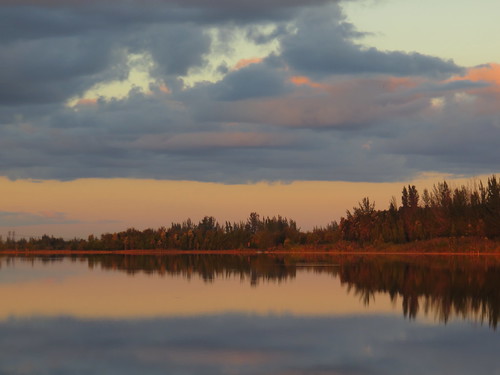
Back home in Florida, we were treated to a very colorful sky about 7 minutes after sunrise on November 23. The sun had just touched the opposite shore. This is straight out of the camera. The image is not cropped or processed:
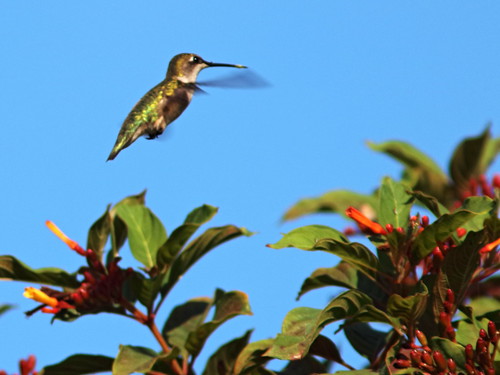
Ruby-throated Hummingbird hovering over Firebush (Hamelia patens):
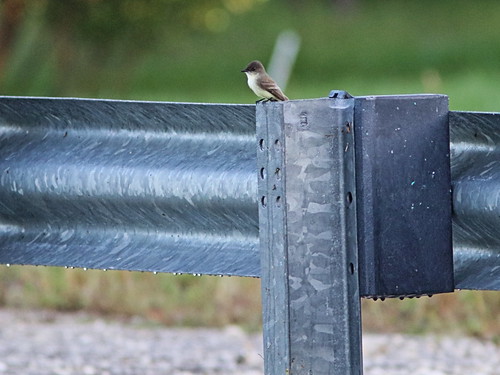
Eastern Phoebe perching on a guard rail:
I enjoy the challenge of photographing LBBs (little brown birds), the smallest of which are the wrens. Seeing them requires patience and often long periods of watchful waiting.
I first sighted a Marsh Wren in Troy Meadows, New Jersey as a teenager back in May of 1949, when I participated in a "Big Day" with the Hackensack Audubon Society. It was then called "Long-billed Marsh Wren" to distinguish it from the diminutive prairie-dwelling "Short-billed Marsh Wren," which since 1982 has been known as the Sedge Wren. I would not see the latter species until November, 1951 when, at Moriches Bay and Inlet in Long Island, I joined a group of birders from Long Island, New York, led energetically by Allan Cruickshank. (He passed away in 1974. Here is his obituary in American Birds).
Group outings can produce large numbers of sightings. For a relatively new birder this can be quite overwhelming. The single day at Troy Meadows and environs yielded 23 new birds species to my life list, and the trip to Long Island added 15 species. I must admit that I do not have indelible memories of either of these wren sightings. Although the trips and places are still relatively fresh in my mind, some of the individual birds seem now to have been lost in the sea of discoveries.
My more recent encounters with these species have been at a more personal level. Finding them took individual effort. With only two eyes to look for them instead of scores, and delightful long looks to enjoy not only their plumage and anatomical features as well as their habits, habitats and vocalizations, the experience is more meaningful and memorable.
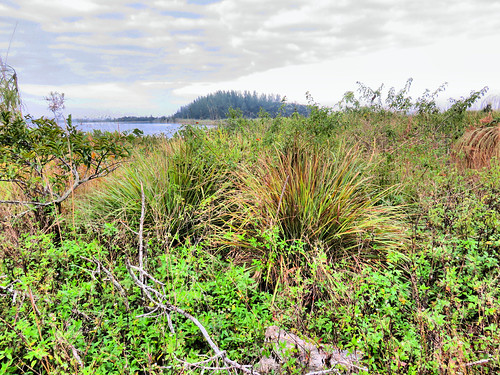
This is my Marsh Wren "sit spot" in our local birding patch. It is conveniently situated near the lake next to a Pond Cypress. A young Pond Apple tree is visible to the left and the "Pine Bank" (a dense stand of Australian Pine) is in the distance across the lake. Two large clumps of Sawgrass are directly in front, and a large area of cattails, just to the right, extends out to the shoreline:
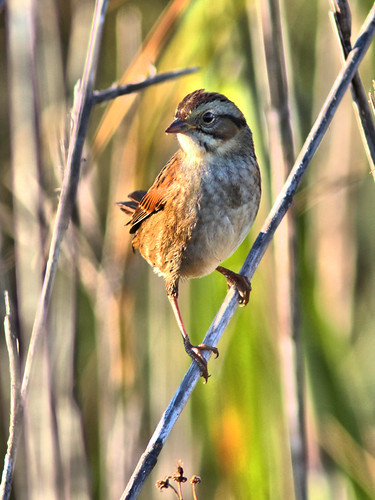
While waiting for the wren, other wetland-associated birds may pop up, such as this Swamp Sparrow:
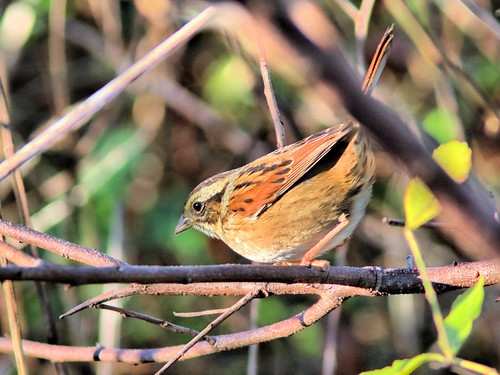
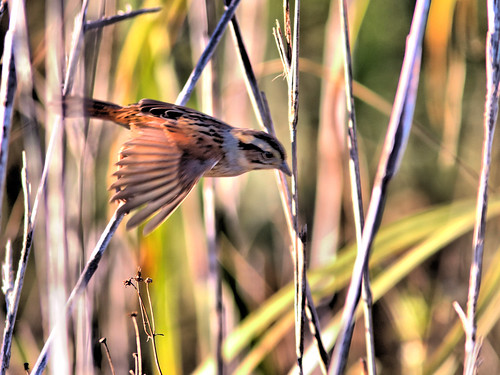
It climbs a reed to get a better look at me..
...and quickly exits:
In Illinois, I often caught snippets of the Marsh Wren's song or saw one weave in and out of the cattails in the distance. After taking up bird photography about 8 years ago I set a goal of capturing an image of every bird species I saw.
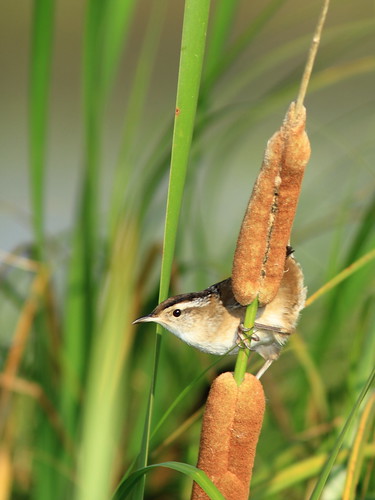
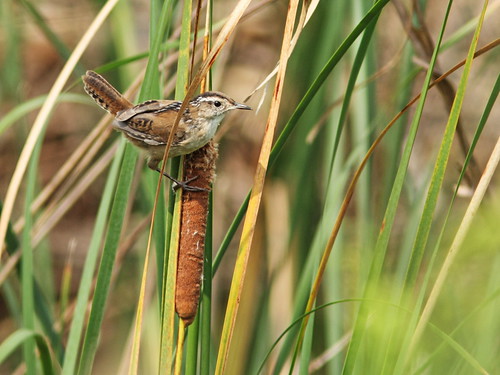
My first close encounter with a Marsh Wren with camera at the ready occurred in September, 2014 in a cattail marsh in Geneva, Illinois. My photos aptly illustrate the connection between this species and its preferred habitat:
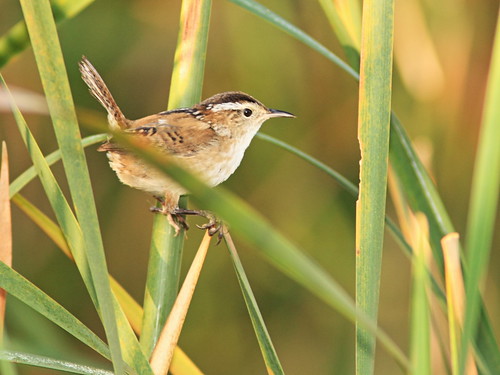
This week I added the 169th species to the bird list for my neighborhood birding patch. Of these I have seen 162, and a few of the species reported by other observers are a bit suspect. This is the first photo of my local Marsh Wren (November 18, 2016):
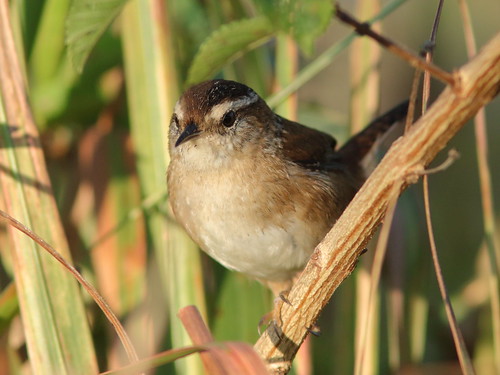
I obtained better views the next day:
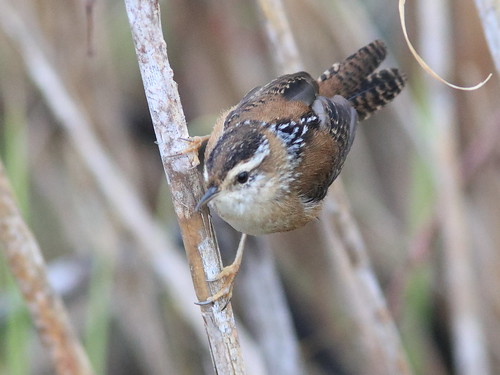
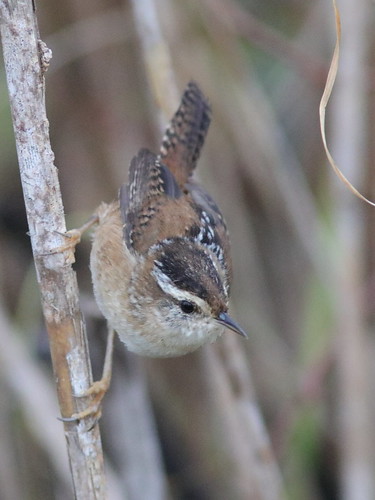
The Sedge Wren (11 cm long) is a half inch shorter than the Marsh Wren, which is 5 inches (13 cm) long. While I have seen a wintering Sedge Wren in Florida, it is a fairly common breeder near our second home in Illinois. It is usually found on dry ground such as a prairie, often next to or within sight of water.
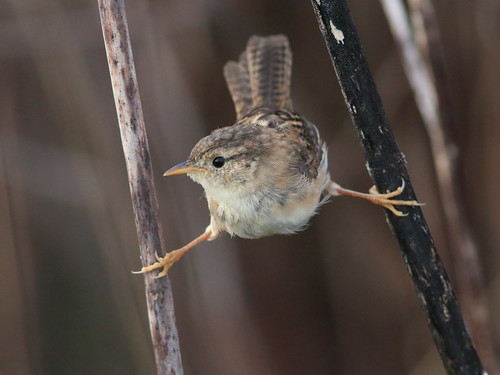
Very elusive, this little creature will not sit still for a photo. Here are a few of my favorite Sedge Wren portraits, all from Nelson Lake in Kane County, Illinois:
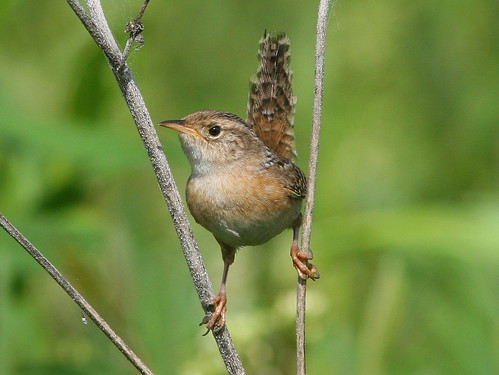
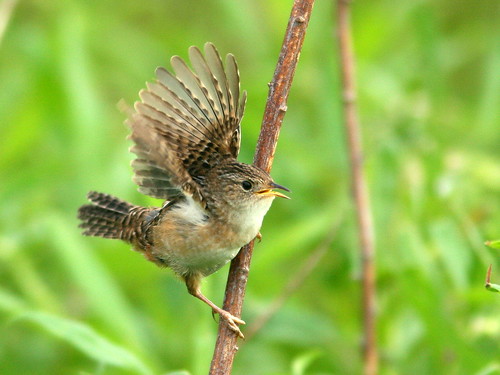
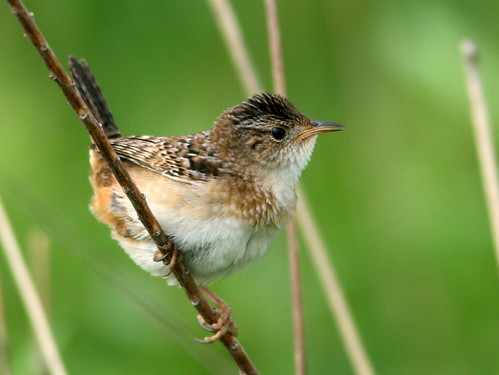
My latest image is a favorite as it best illustrates the wren's imitation of an Olympic parallel bar gymnast (Oct 18, 2016):
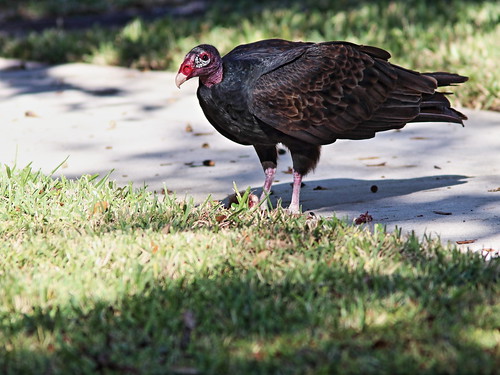
Happy Thanksgiving, everyone in the USA (and belated good wishes to our Canadian friends). I do not have a good turkey photo, but this week a Turkey Vulture obliged me by finding a dead squirrel on the sidewalk in front of our next door neighbor's home. I guess this bird was named because of its strong (?) resemblance to the real thing. (Click on the photo to navigate to some more rather explicit images of his feast):